Deadly Gully Erosion in Niger State Despite Multi-Billion Naira Control Projects
HumAngle’s investigation shows that despite billions in government, donor, and World Bank ecological funds, the impact of deadly gullies in Mokwa, Niger State, is still far-reaching. Families have lost lives, homes, and livelihoods, with even critical infrastructure like Mokwa General Hospital lying in ruins.
Listen to this story

8 May 2026
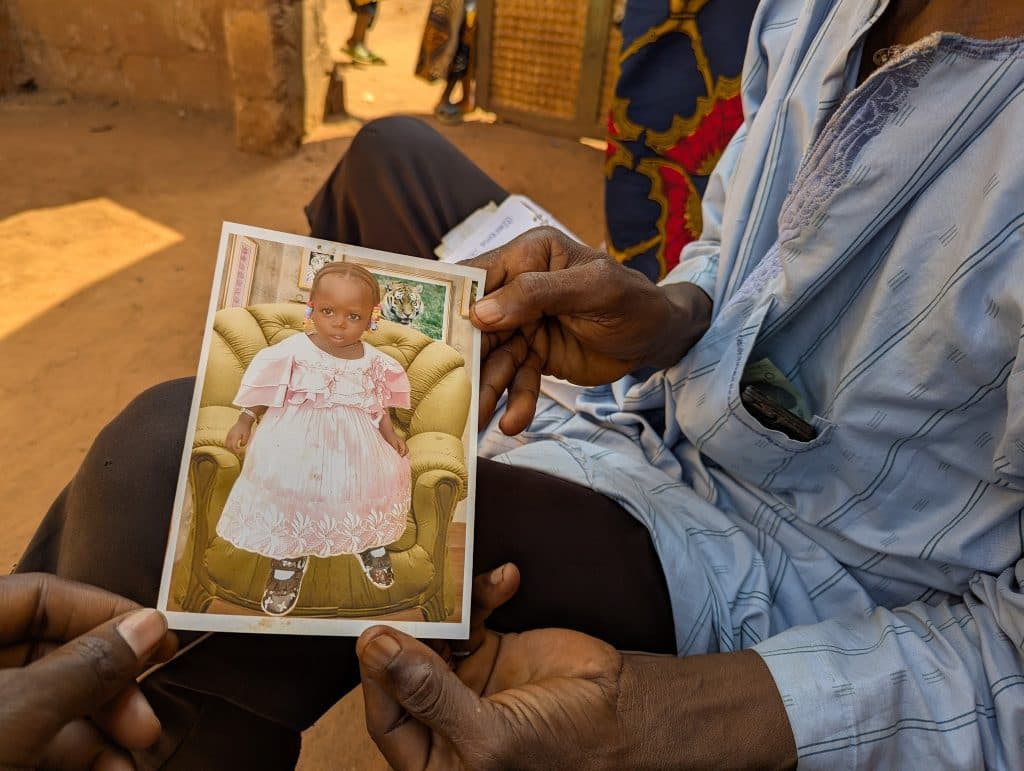
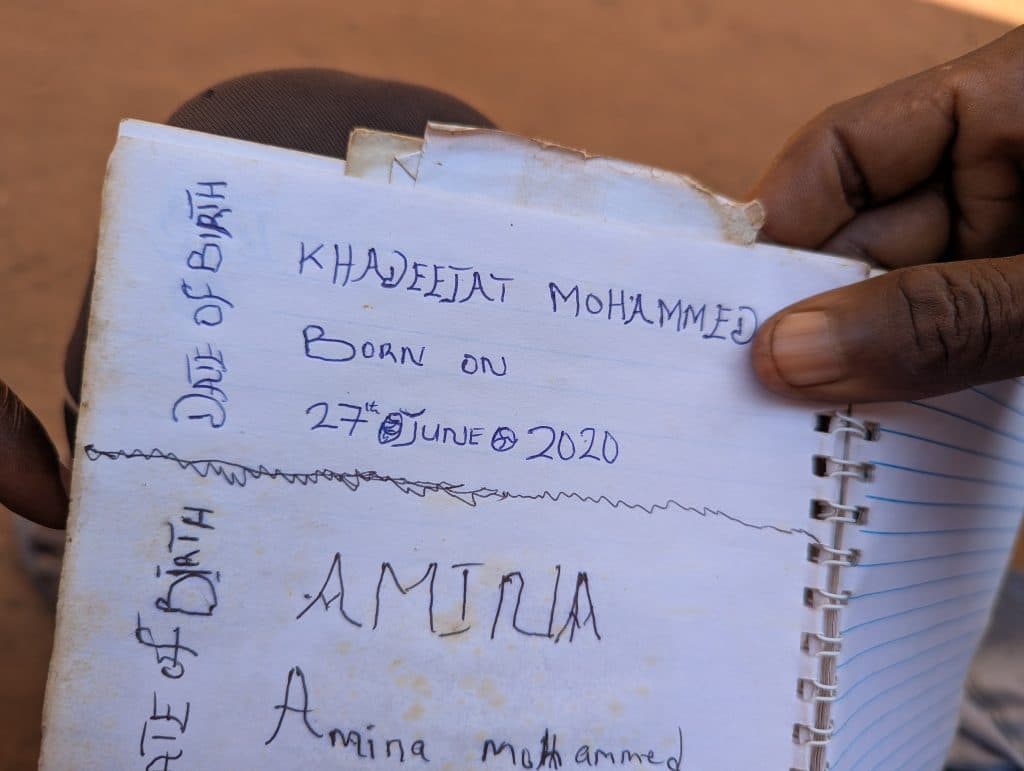
Khadeejat Mohammed was only two years old when Mokwa’s gully erosion claimed her life in the Eti-Sheshi community of Niger State, North Central Nigeria. Bright, playful, and already piecing sentences together, she had just been registered for creche. “She was very smart,” Isa Sheshi, her grandfather, told HumAngle. “Even at two, she played around and was able to put sentences together. I loved her so much.”
On the day she passed away, Khadeejat had asked her grandfather for money to buy tofu, locally called awara. The tofu seller was just across the same bridge that the family had carved from felled trees. The erosion had long cut through their community, forcing residents to improvise crossings.
“When the erosion began, we used wood to build a makeshift bridge,” Sheshi said. “But with time it got bigger, so we went to the bush to cut down 15 longer trees to create another bridge.”
That makeshift bridge became Khadeejat’s final path. On her way back, holding the tofu in a transparent plastic bag with her elder brother, who was three years older, she slipped into the gully.
“Her head went directly into a hollow hole filled with water in the gully,” Sheshi recounted, holding onto her picture. “She gulped that water before we could rush to the scene. When we brought her out and rushed her to the hospital, we were told she had a fractured skull.”
She was rushed to the Mokwa General Hospital and later referred to the Federal Medical Centre, Bida. Unfortunately, Khadeejat died before the family could leave the motor park to travel to Bida.
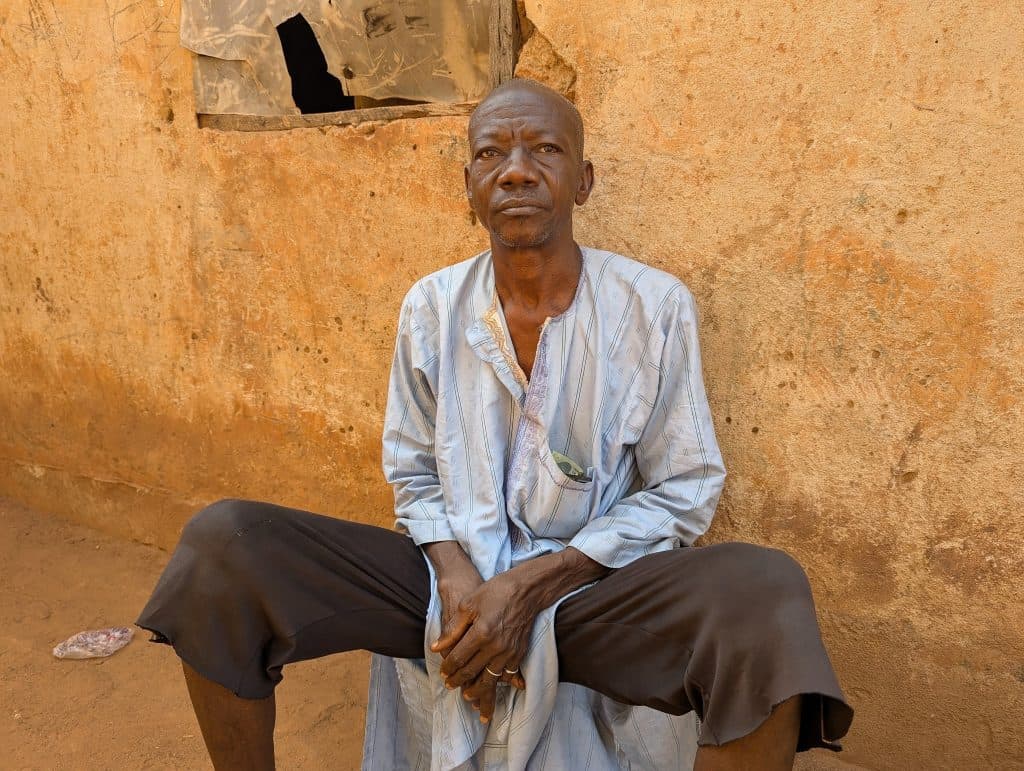
“It’s been four years since the incident, but whenever I pass through that hole caused by gully erosion, my granddaughter’s thoughts always come to mind,” the man said.
Khadeejat’s death in 2022 was not just a family tragedy; it was a warning of what unchecked erosion has continued to do in Mokwa.
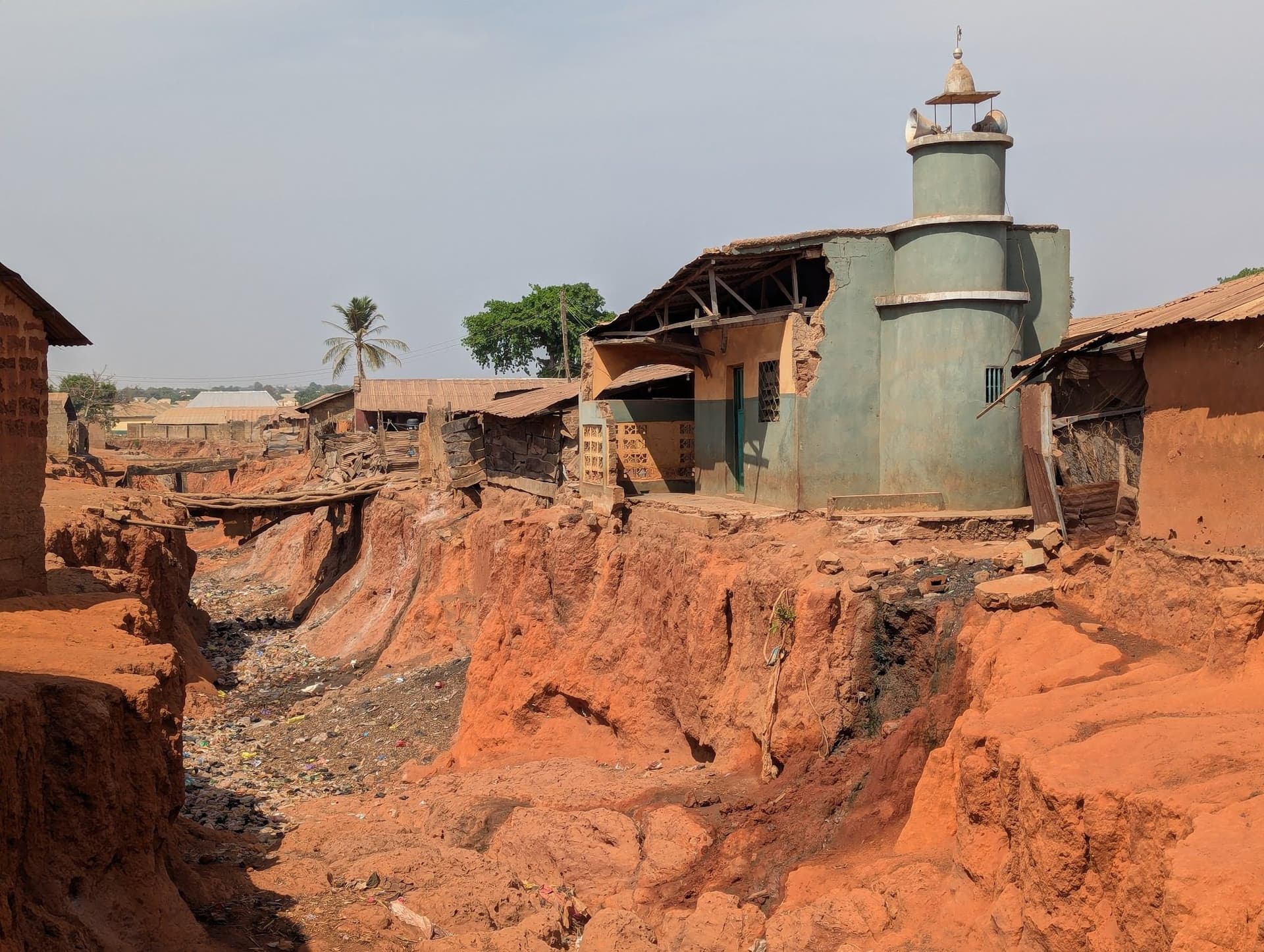
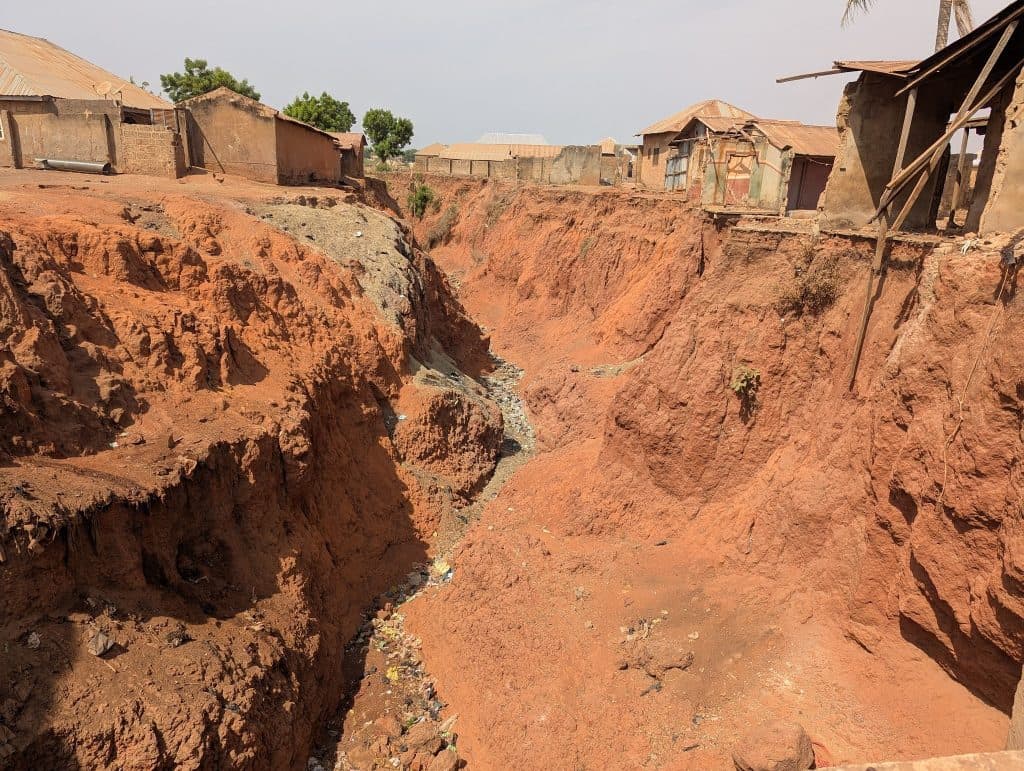
Yet, years later, the gully remains, widening with each rainy season. Although figures of lives lost in these gullies are not publicly available, residents confirmed to HumAngle that a significant number of people have lost their loved ones in them, with some sustaining life-threatening injuries.
Despite the clear threats posed by the widening and deepening gullies, HumAngle’s investigation reveals that state and local authorities have failed to take effective action. The problem worsens with each rainy season, raising concerns among local communities. In 2024, the Niger State government secured World Bank ecological funds, specifically earmarked for erosion control projects. However, these resources have not translated into tangible solutions.
The Federal Ministry of Information and National Orientation, led by Mohammed Idris from the Mokwa Senatorial District, announced in December 2024 that the Niger State government had secured a $10 million intervention from the World Bank. This funding is aimed at addressing gully erosion in Mokwa, an area increasingly susceptible to environmental disasters.
During his visit to the affected communities in Mokwa, Umar Bago, the state governor, confirmed that the gully erosion had posed serious threats to the communities and that “competent contractors with track records have been identified to handle the project, which will commence soon.”
The state secured World Bank funding after years of neglect to address the root causes of erosion, particularly in communities such as Eti-Sheshi, Kpege, and Anguwan Hausa.
In May 2025, just five months after receiving funding from the World Bank, Mokwa was hit by a devastating flood that resulted in the loss of hundreds of lives. This tragedy raised serious questions about why the government had not started the project, especially since they had already identified “competent contractors” for the job.
Once competent contractors have been identified, the process of publishing the contract bid is governed by law. At the state level, this is regulated by procurement laws specific to each state, which are based on the federal Public Procurement Act of 2007. Section 18 (1b and d) of the Niger State Public Procurement Law of 2020 states that, subject to exemptions allowed by this law, all public procurement shall be conducted by open competitive bidding in a manner that is transparent, timely, and equitable, to ensure accountability and conformity with the law. Based on the above, a national invitation to bid shall be advertised on “the notice board of the procuring entity, any official website of the procuring entity, at least two national newspapers, and in the procurement journal,” according to section 27(2b) of the same law.
HumAngle did not find any instance of the state government publishing any contract bid for the $10 million World Bank ecological funds project in Mokwa regarding the gully erosion project. However, a contract bid was published in May 2025 by the state’s Ministry of Environment and Climate Change under the Agro Climatic Resilience in Semi-Arid Landscapes (ACReSAL) project, with the contract title: Construction of Storm Water Drainage Structures for Mokwa and Babban Rami Gully Erosion sites in Niger State.
They invited bidders for two contracts: construction of water-stormwater drainage structures for both Mokwa and Babban Rami, with bid security of ₦150 million and ₦200 million, respectively, for a 28-month construction period.
Further investigations by HumAngle revealed that the ACReSAL project (Agro-Climatic Resilience in Semi-Arid Landscapes) is a separate initiative from the World Bank Ecological Funds, which are commonly referred to as the Ecological and Natural Disasters Management Fund in Nigeria. Although both are World Bank projects, they serve different purposes.
While ACReSAL is a targeted World Bank loan facility for northern ecological resilience, the other is a national funding mechanism aimed at addressing nationwide disasters.
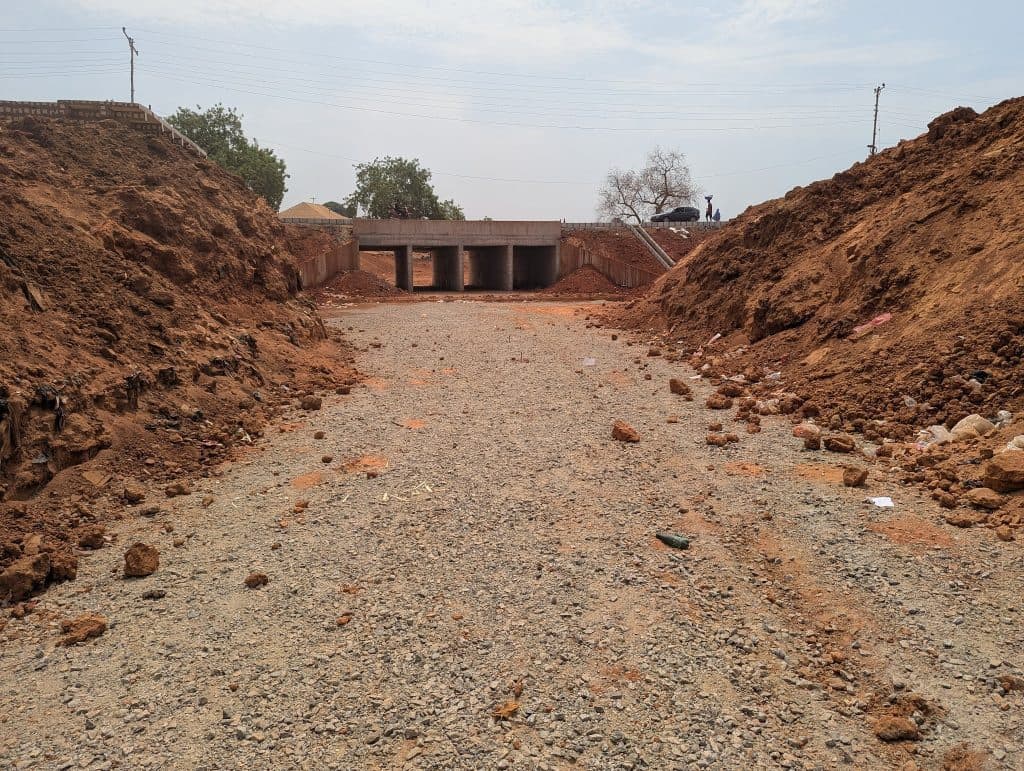
HumAngle confirmed, through field visits in February, that both the World Bank and the ACReSAL projects have not been executed. The bridge and culvert along the Mokwa-Jebba axis , damaged by last year’s deadly flood, are currently undergoing reconstruction.
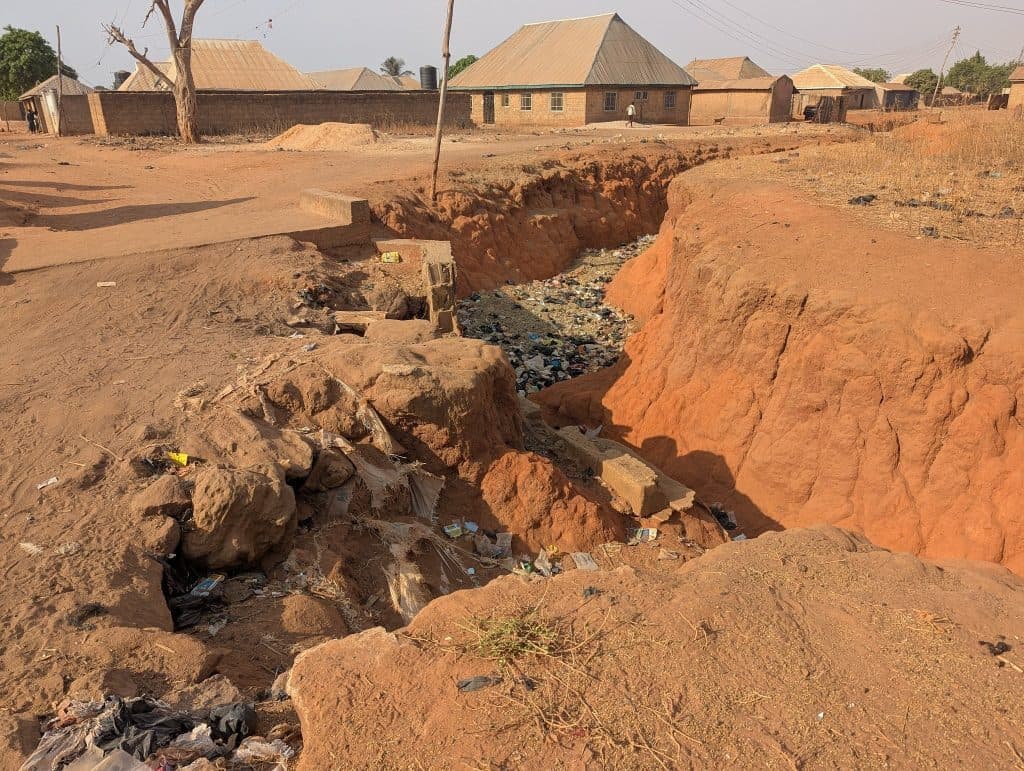
When HumAngle visited the Eti‑Sheshi and Anguwan Hausawa areas in February, two of the three most devastating gully-erosion sites in Mokwa had deepened and widened, some plunging about 15 feet. Houses and even a mosque sat precariously on the edge, half‑collapsed into the earth.
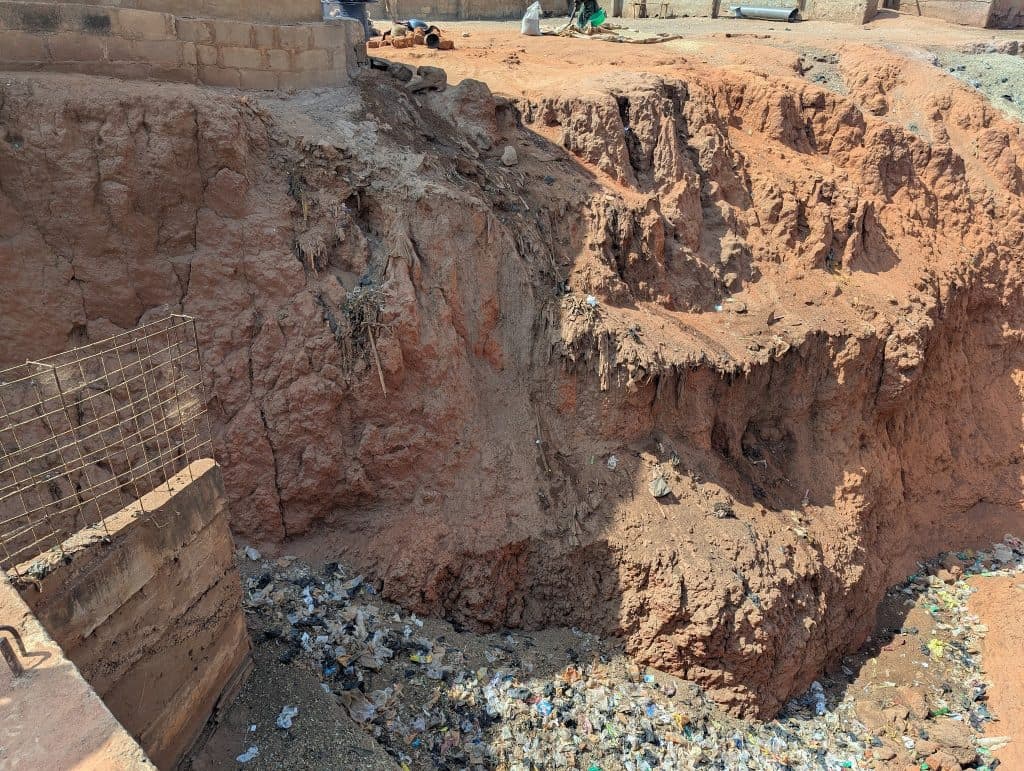
Abbas Idris, the president of the Risk Managers Society of Nigeria (RIMSON), revealed that communities affected by gullies face the loss of arable land, damage to infrastructure, degradation of water quality, biodiversity loss, food insecurity, and displacement. More dangerously, erosion increases the risk of flooding, threatening lives and livelihoods.
“At the end of the day, this could give rise to conflict as a result of scarcity of land and resources, as people will be fighting over the land not affected by gully erosion,” he warned.
In March, after reviewing World Bank records for details on the Mokwa project, HumAngle submitted a request through the Bank’s information platform seeking clarification on the project and its operations.
The World Bank responded by asking us to provide “a direct link to, or full citation of, the specific document or public reporting you referenced in your request.” We explained that the inability to locate the specific document on its website—even after conducting a Boolean search—necessitated our request. We nonetheless provided links to public reports that referenced the funding.
On May 4, a month after its initial response, the World Bank sent what seemed to be a generic status update, stating that the request was still being processed.
“In most cases, we can respond within twenty (20) working days from receipt of a request for information. However, we may need additional time in special circumstances, for example, if the request is complex or voluminous or if it requires review…,” they wrote.
Erosion tears school walls apart
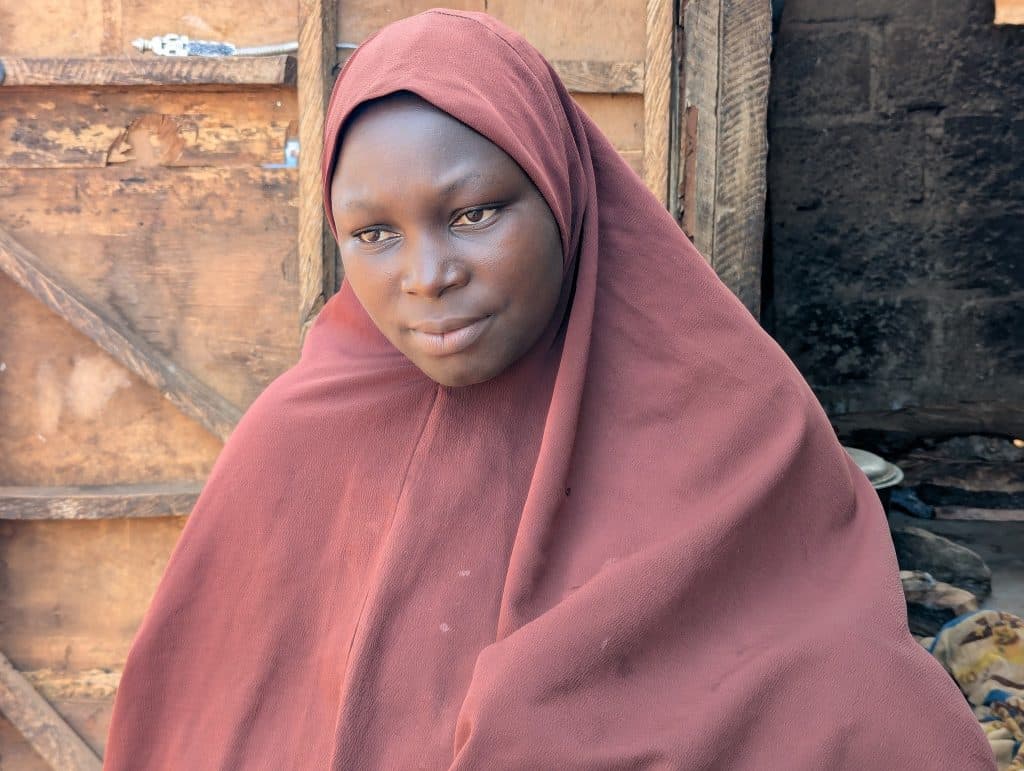
Gully erosion in Mokwa is severely impacting the community by destroying homes and livelihoods and depriving children of the opportunity to attend school. Aisha Muhammad-Kolo, the founder of Gbastif Global Academy, the only affordable private school in the area, witnessed firsthand how erosion stripped the school bare.
“There is nobody in this house, and school is closed due to the impact of the gully erosion that has been affecting our community,” she told HumAngle. Each rainy season brought chaos. When the gullies filled with water, they burst into her compound, flooding classrooms and frightening parents.
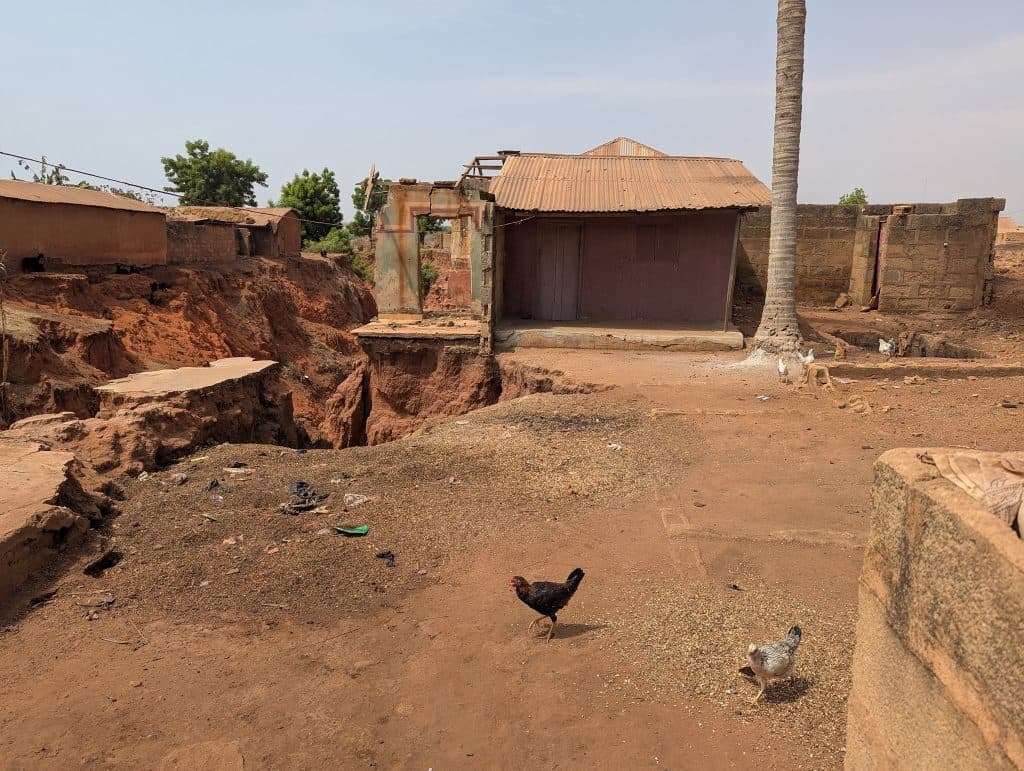
“People were afraid that their children were at risk, so they started removing their children from the school, which affected us greatly but also deprived the students of schooling,” she said. “This is the only private school in our community, and most parents prefer to enrol their children here because it is not only affordable but we ensure quality education as compared to our government schools.”
The collapse of Gbastif Global Academy is emblematic of how erosion has altered schooling in many Mokwa communities. Teachers struggled to keep children safe during storms, sometimes moving them into private rooms until the rains subsided.
“Whenever it rained, and we were in session, I would have to take all the children inside my room to ensure they were safe. By the time the rain receded, it had washed off a significant part of our structures,” Aisha recounted.
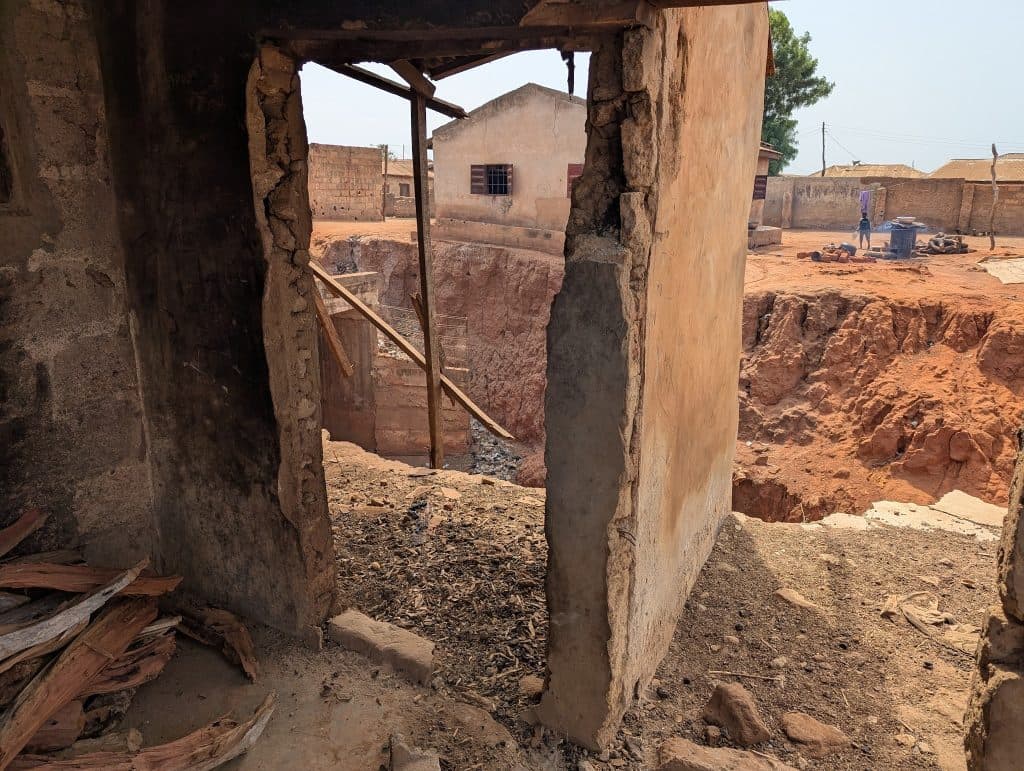
Although the school was later relocated to a safer site, the arrangement is temporary, and parents are concerned about the distance. Aisha told HumAngle that the landowner could reclaim the property at any time, leaving the school stranded.
“I believe the impact of the gully erosion is enormous, especially on education. Also, we have been robbed of our source of livelihood and have not been able to recover,” she said.
Her fears extend beyond the school to her own family. “I also have children, and the rainy season will soon be here. You can’t be everywhere at every time to monitor your kids. They are very young and do not understand the dangers in areas affected by gully erosion. I am afraid to lose any of my children and my house because of gully erosion,” she added.
While there are no publicly available data specific to Mokwa or Niger State, a 2024 UNICEF report reveals the scale of climate‑induced disruptions to education across Nigeria. The report found that 2.2 million Nigerian students experienced interruptions to their schooling due to disasters such as flooding and erosion, underscoring how environmental crises directly undermine learning.
These disruptions compound existing vulnerabilities, leaving communities like Mokwa even more exposed when erosion destroys classrooms and forces children out of school. This data situates Mokwa’s erosion crisis within a broader pattern of climate‑driven educational instability, showing that the loss of Gbastif Global Academy is not an isolated tragedy but part of a systemic emergency threatening children’s futures.
A hospital in ruin
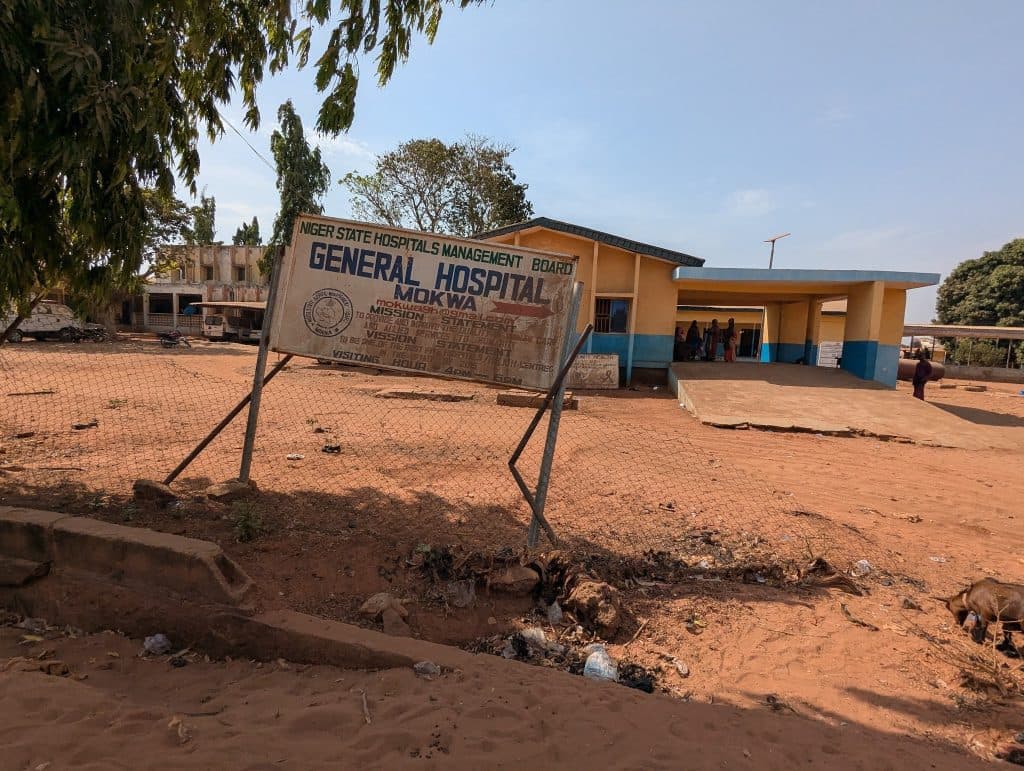
Mokwa General Hospital, intended to serve as an important resource for the community, is collapsing due to gully erosion and inadequate maintenance. The hospital’s buildings show clear signs of decay, including peeling paint, broken windows, and walls damaged by erosion. Some parts of the structures have already collapsed, creating unsafe areas within the compound.
Drainage channels around the hospital have fallen into deep gullies and are now clogged with waste and debris. Instead of carrying water safely away, they have become dumping grounds, worsening waterlogging and exposing patients and staff to health risks.
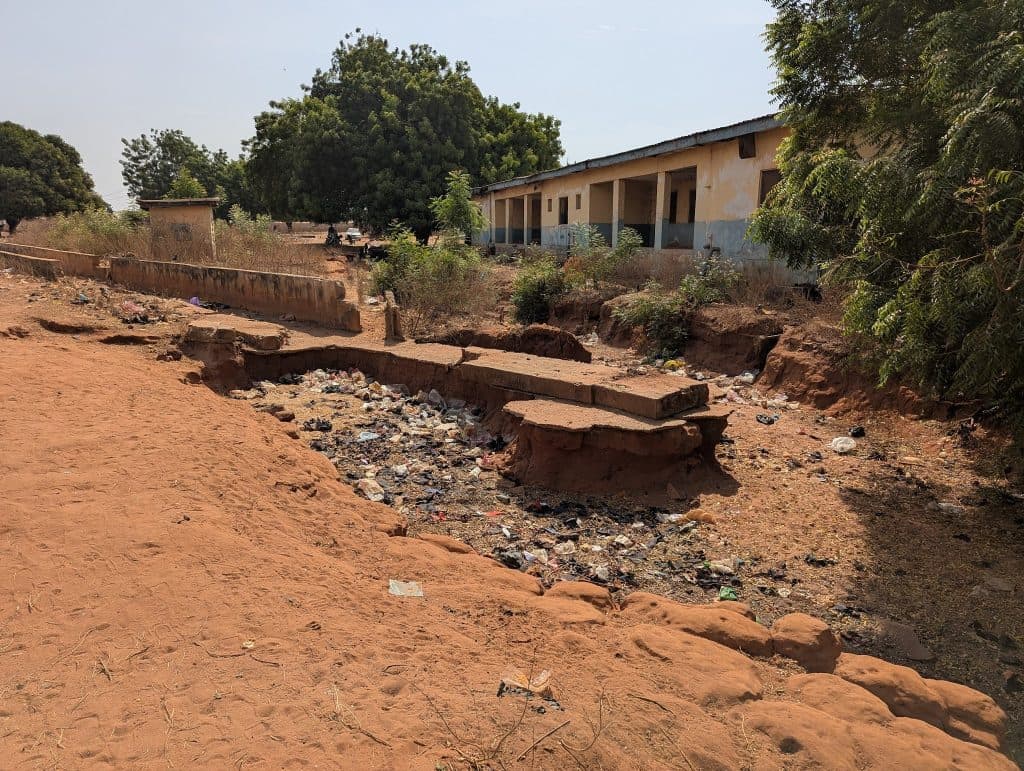
The erosion has transformed the hospital environment into a hazardous zone. HumAngle observed that foundations are exposed, certain sections of the compound are unsafe to cross, and the surrounding land has eroded away. What should be a place of healing now mirrors the environmental collapse outside its walls, threatening public health and undermining confidence in essential services.
The situation at Mokwa General Hospital shows how unchecked erosion and poor ecological management are crippling critical infrastructure.
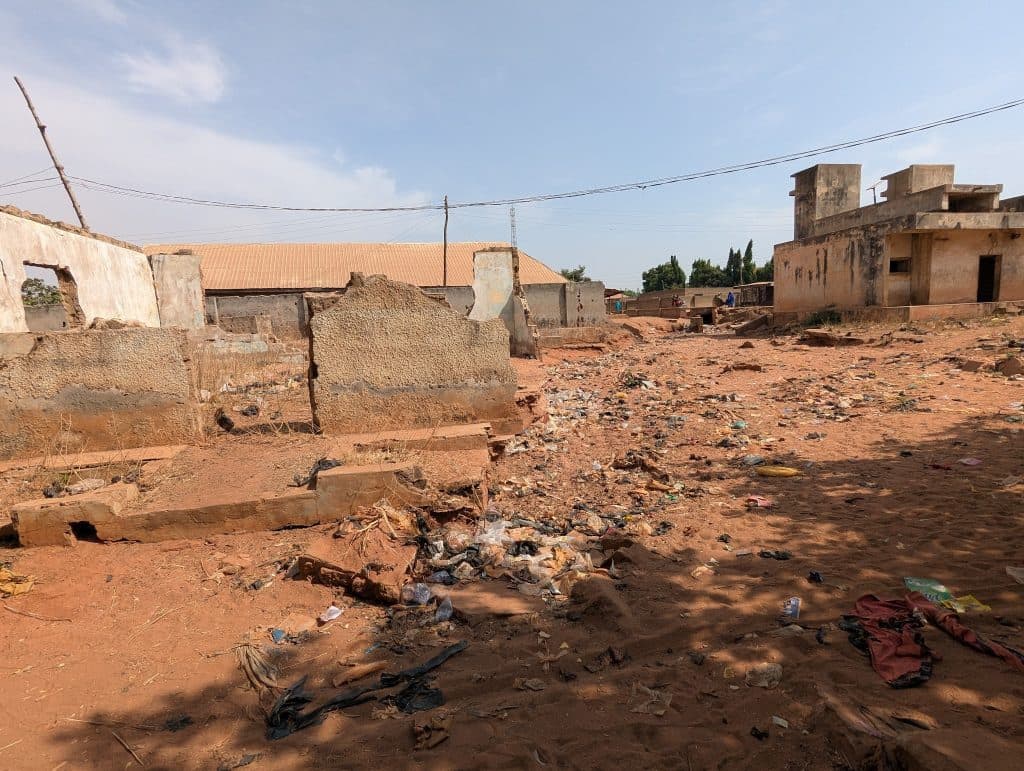
When infrastructure such as roads, schools, and hospitals is destroyed, the consequences become catastrophic, said Abbas Idris, a risk and disaster expert, who also noted that the collapse of a hospital due to erosion could leave communities without access to healthcare, leading to preventable deaths. He stressed the importance of proactive disaster management through risk assessment and hazard categorisation.
“If there are no risk assessments, the coping capacity of the community will be very low when disaster hits them,” he warned. “Without urgent intervention, the hospital risks becoming unusable, leaving thousands of residents without access to healthcare.”
Mokwa’s deadly deluge
In May 2025, Mokwa experienceda catastrophic flood that devastated the area, displacing over 3,000 people and resulting in more than 160 fatalities. This tragic event became the deadliest flood incident in the country that year. Entire families were wiped out as homes, schools, and farmlands vanished under torrents of muddy water. Hajara Malam Abba is one of those affected by this disastrous flooding.
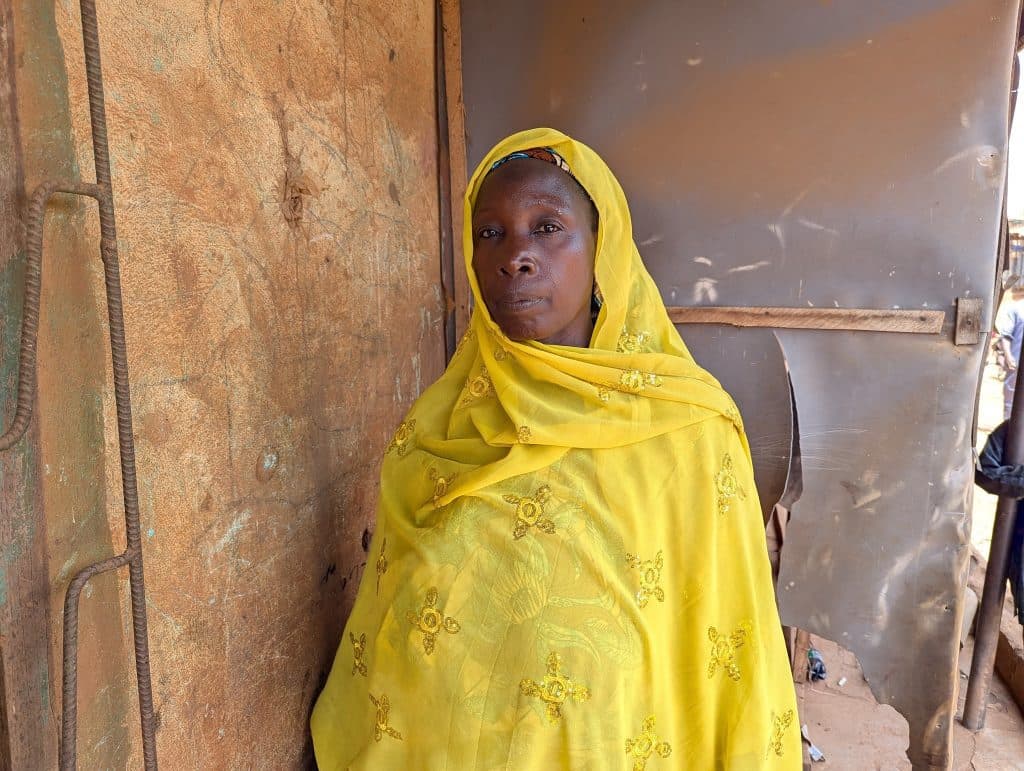
For Hajara’s family, the devastation was deeply personal. “The things we lost from the flood incident in 2025 can never be recovered because we lost both lives and property,” she said.
In their family, her elder sister bore the heaviest burden, losing 17 members of her household – 16 grandchildren and her child – in a single night of flooding. Alongside the lives lost, the family’s livelihood was swept away: six refrigerators, five grinding machines, rams, clothes, and appliances all destroyed.
The aftermath forced them into precarious living conditions. Hajara’s sister rented another place to manage, while other family members who could not afford rent built makeshift tents on the same land where their homes once stood.
“It’s been almost a year now, but they still sleep there in vulnerable conditions, hoping that the government will eventually intervene,” Hajara said. “We can’t sleep in peace again because of the fear of the unknown, since the rainy season is almost here again.”
Alhaji Umar Sani, one of the flood victims, vividly remembers the morning the floodwaters came.
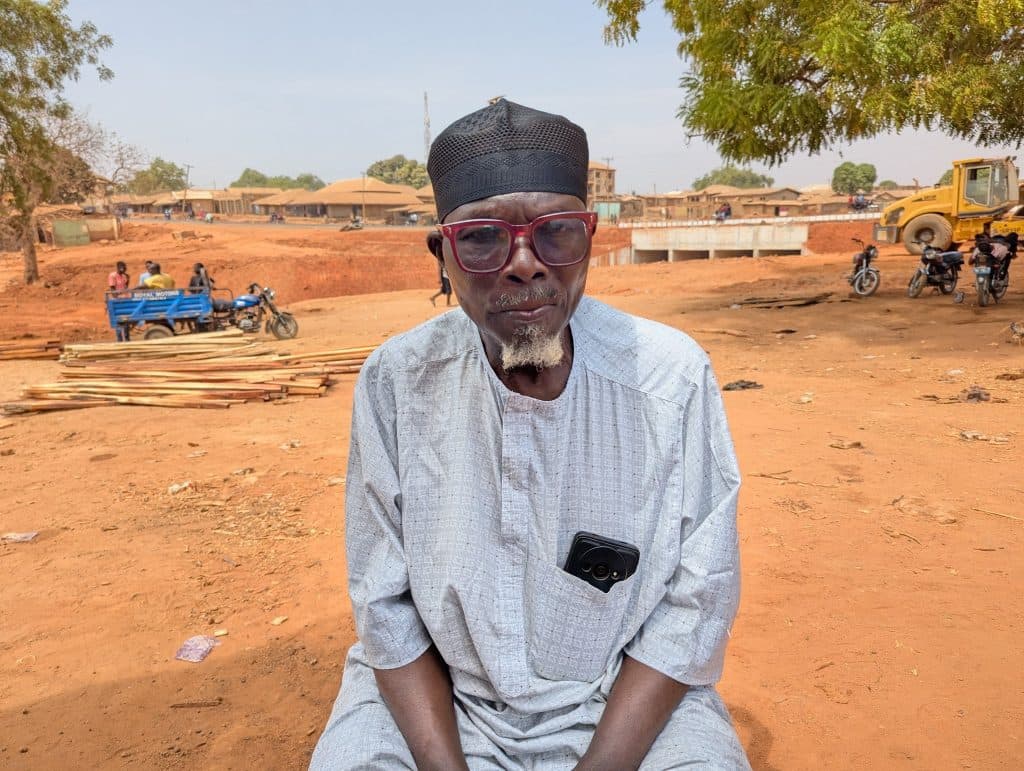
“It was around 6 a.m., after we had just finished praying the Subhi [dawn] prayer, then we heard people shouting,” he recounted. “My son told us he saw people drowning in the massive flood waters sweeping through homes.”
“Before we could act, the water had reached my house. My wife, my children, and I couldn’t take anything. I was only wearing a jalabiya and trousers, while my wife wore a hijab and trousers – everything else was washed away. The water covered my house. I am grateful it didn’t claim any of our lives,” he said.
In the wake of the disaster, President Bola Tinubu approved the release of ₦16.7 billion for the immediate reconstruction of the Mokwa Bridge, which was destroyed by flooding. The Minister of Information and National Orientation, Mohammed Idris, stated this after a meeting with the Minister of Works, Senator Dave Umahi. He said the project would involve constructing a bridge with 10 spans.
As families cling to faith and resilience, scepticism lingers over government efforts as the drainage system under construction is seen as inadequate. “When the floodwater came, it was enormous. How then can this drainage contain the next flood? It ought to be bigger than this,” Hajara said.
Alhaji Umar, another victim of the gully erosion, echoed the same concern, noting that the project underway is “a culvert, not a bridge” and does not match the scale of the destruction. With over 250 people killed in Mokwa alone, residents fear the rainy season could bring another catastrophe. Idris, the risk and disaster expert, criticised the government’s reconstruction of the bridge in Mokwa, which was downgraded to a box culvert without a proper scientific assessment.
“Even in the reconstruction of the said bridge, the government failed to use experts to analyse the risk factors. The facility engineers were supposed to consider the disaster and suggest a suitable bridge model that can manage the floodwater. Instead, it was just constructed haphazardly,” he lamented.
Communities under siege
Each rainy season, the community around Mokwa General Hospital experiences severe erosion, causing families to lose their homes, crops, and peace of mind. Residents report that last year’s floods were particularly destructive, as water surged into the gullies and dangerously approached their homes. Several houses have suffered partial damage due to the erosion.
“We are not happy that this gully erosion has not been fixed,” Isa complained. “When there is heavy rainfall, the water finds its way to fill up these gullies, leaving us and our homes at risk. If the rainy season comes now, we don’t even know what will happen.”
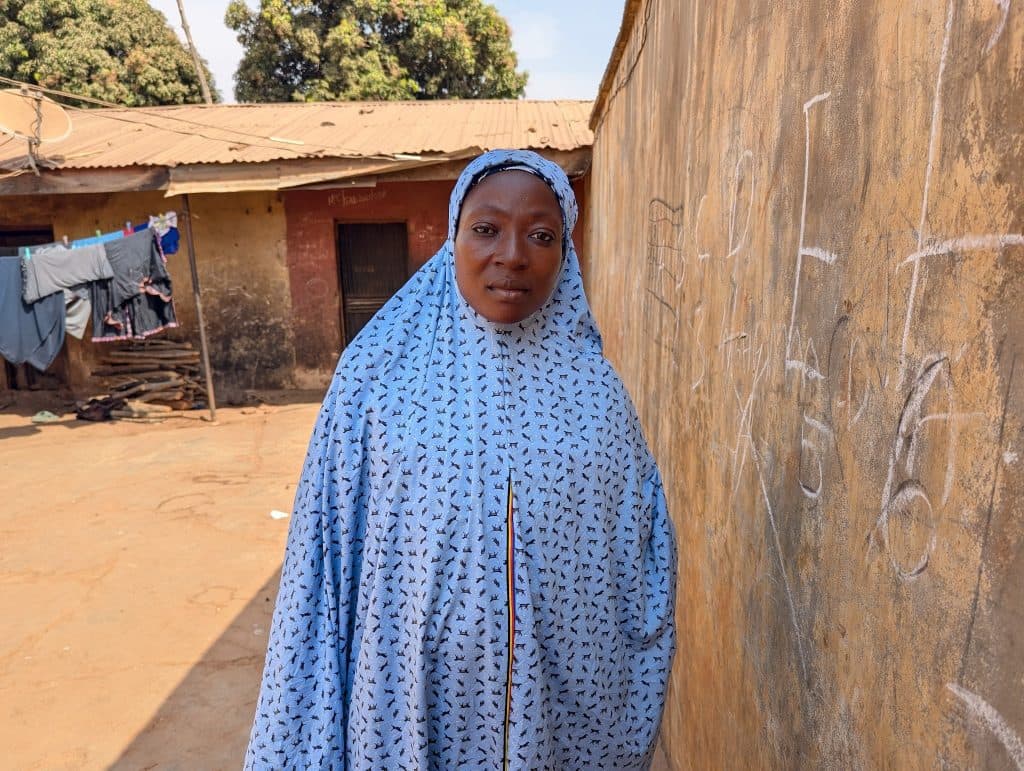
Ruqayyah Ismail, another resident, described how the rainy season signals fear for her and other families. “When the rain falls, the front of our house turns into a river. Everywhere is filled with water as we have to stay indoors for days with our children without crossing over to the other side of our house,” she said.
The erosion has already destroyed her gate, and each year the water pushes further inside. Recounting a near-miss ordeal, she added: “An Okada rider had once fallen into the hole. On his way home, he slipped and fell into a ditch. He almost lost his life, but his motorcycle was found at the other end of the gully.”
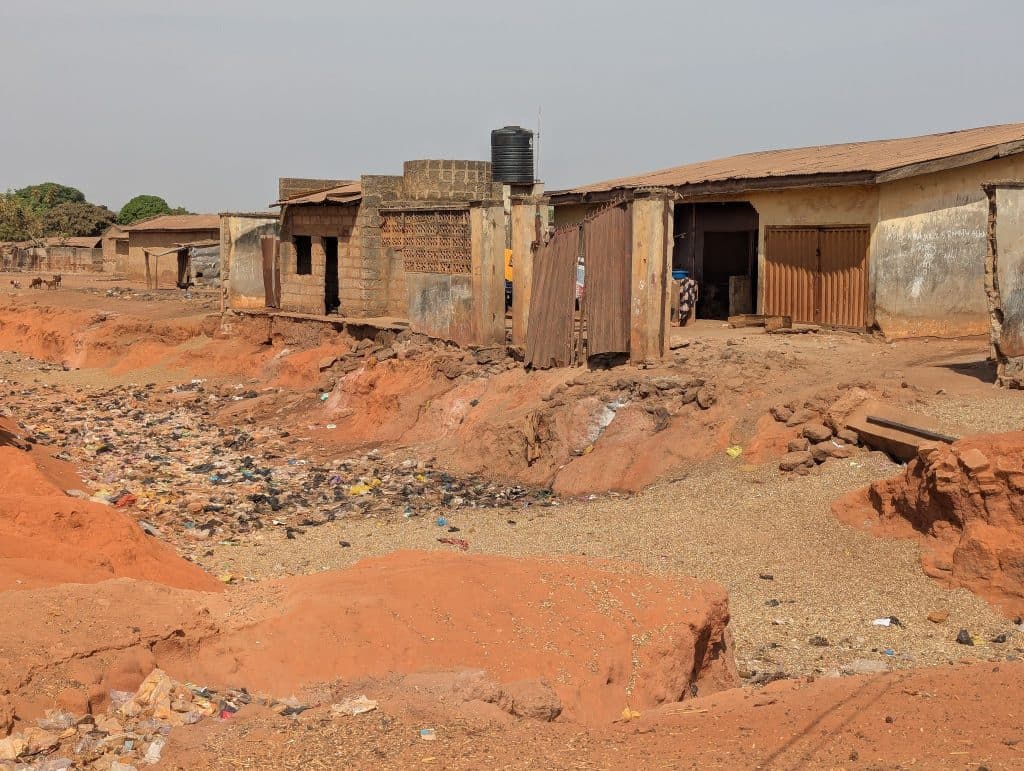
Muhammed Jibril, whose family moved into their new house in 2006, told HumAngle that the erosion gradually worsened as the population grew. “From about five years ago, it became massive. Last year’s rainy season was the worst of all. We lost everything due to erosion. For more than six months, our neighbours were the ones feeding us,” he said.
Stored food supplies, including 13 bags of maize, were destroyed alongside clothing, electronic appliances, and money.
“Till today, we have not recovered from the disaster. I had to sell my motorcycle to build a buffer zone behind my fence to minimise the destruction,” he added.
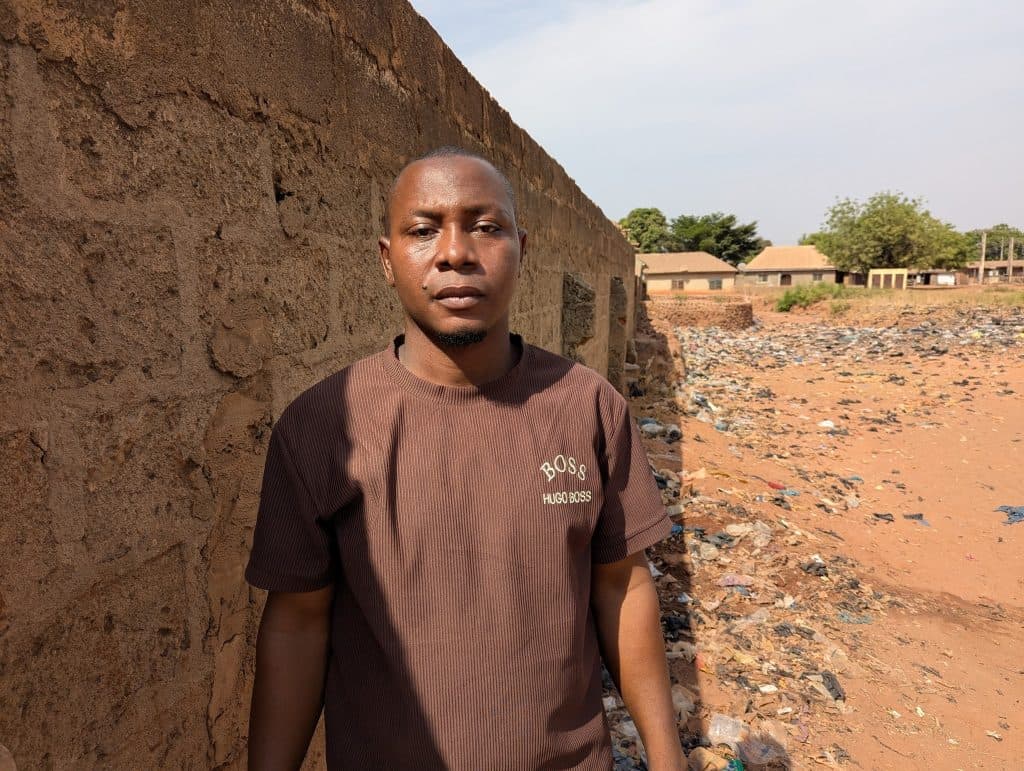
Over the years, the persistent erosion has reshaped the community’s daily life. For most communities, the rainy season serves as a source of growth and prosperity, but for this community in Mokwa, it signals fear and disaster.
He described climbing to the overhead tank to monitor water levels, warning his family to evacuate if the flooding became too severe. The erosion even brought down his main gate, forcing him to relocate it onto a neighbour’s property.
“Fortunately, my neighbours understand that’s why they’ve been patient with us. Until they [government] construct a proper channel for the water to pass through, we have no choice but to remain like this,” he said.
Jibril told HumAngle that beyond psychological trauma, the financial toll has been staggering.
“Last year alone, if I recall the losses, it could make me cry. All of my harvests were destroyed, including sesame seeds, which were expensive in the market. In total, we lost about ₦4 million. But we were lucky not to lose any lives,” Jibril noted.
After every flood incident, residents say people who identify as World Bank officials visited the community to take measurements and collect their details, only to remain silent afterwards. “We need assistance before the rains start. They should fix it so that we can have peace of mind. That is all we ask for now,” Jibril pleaded.
According to the disaster expert Idris, the absence of adequate land management practices and unchecked deforestation are driving the crisis.
“Addressing gully erosion requires adequate land management practices, and if you look at Mokwa, that is absent,” Idris explained. “Deforestation has been thriving in the environment due to abject poverty, as people cut down trees for charcoal. Also, there has been little to no effort from the government to educate the community on erosion control measures.”
He called for accountability and a shift in leadership priorities.
“Unless we address corruption, unless our leaders change from their personal interests to that of the people, and unless they value the lives of those communities they are governing, we are not going to get it right.”
On April 7, HumAngle submitted a Freedom of Information (FOI) request to the Niger State government through the Commissioner for Environment and Climate Change, Hon. Alhaji Abubakar Musa. The request sought clarification regarding the $10 million World Bank-assisted fund earmarked for the Mokwa gully erosion control and also some ACReSAL projects in the LGA.
The government has not responded to that request. This lack of response comes despite the stipulated timeframe (7 days, with an extension of another 7 days) for a reply, as outlined in Nigeria’s FOI Act of 2011.
Support Our Journalism
There are millions of ordinary people affected by conflict in Africa whose stories are missing in the mainstream media. HumAngle is determined to tell those challenging and under-reported stories, hoping that the people impacted by these conflicts will find the safety and security they deserve.
To ensure that we continue to provide public service coverage, we have a small favour to ask you. We want you to be part of our journalistic endeavour by contributing a token to us.
Your donation will further promote a robust, free, and independent media.
Comments
0 comments
No comments yet.
Sign in to join the discussion.
Of course, we want our exclusive stories to reach as many people as possible and would appreciate it if you republish them. We only ask that you properly attribute to HumAngle, generally including the author's name, a link to the publication and a line of acknowledgement.