What We Know About the March 29 Terror Attack in Jos
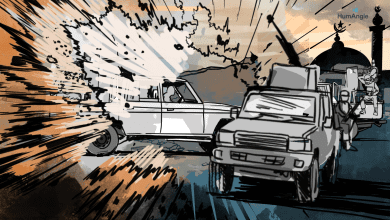
A deadly attack on Sunday evening, March 29, in Angwan Rukuba, a community in Jos, left at least 27 people dead. Eyewitnesses say the assailants arrived with masked faces, guns, and machetes, and began shooting sporadically.

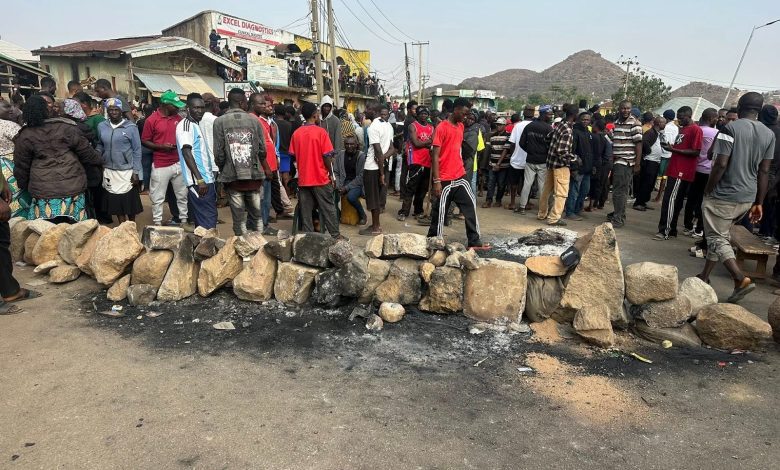
Sunday evenings are usually a beehive of commercial activity at Angwan Rukuba Junction, but it turned deadly on March 29, at around 7:45 p.m., when assailants opened fire on people at random in the area, located in Jos North Local Government Area (LGA), Plateau State, in North Central Nigeria.
Eyewitnesses gave differing accounts of the attackers’ arrival, with some saying they came in a red Sharon van, while others reported they arrived on motorcycles. They were described as dressed in black camouflage, with their faces covered, and armed with guns and cutlasses. The motive and identity of the assailants remain unknown, and no group has claimed responsibility.
At least 27 people were killed, including a pregnant woman, while others were injured, according to Dalyop Mwantiri, President of the Berom Youth Moulders Association.
Sunday Akintola, a resident, said the high number of casualties was due to people being caught unawares, as residents initially assumed the gunshots were stray bullets from officers of the National Drug Enforcement Agency, which “usually come to harass young men in the area”. “Once people stepped in, they were shot at close range, while others were chased and struck with machetes,” he noted.
Although there is a police station at the junction where the incident occurred, residents said the response was slow, alleging that some officers on duty fled when the attack began, before reinforcements later arrived from the state headquarters.
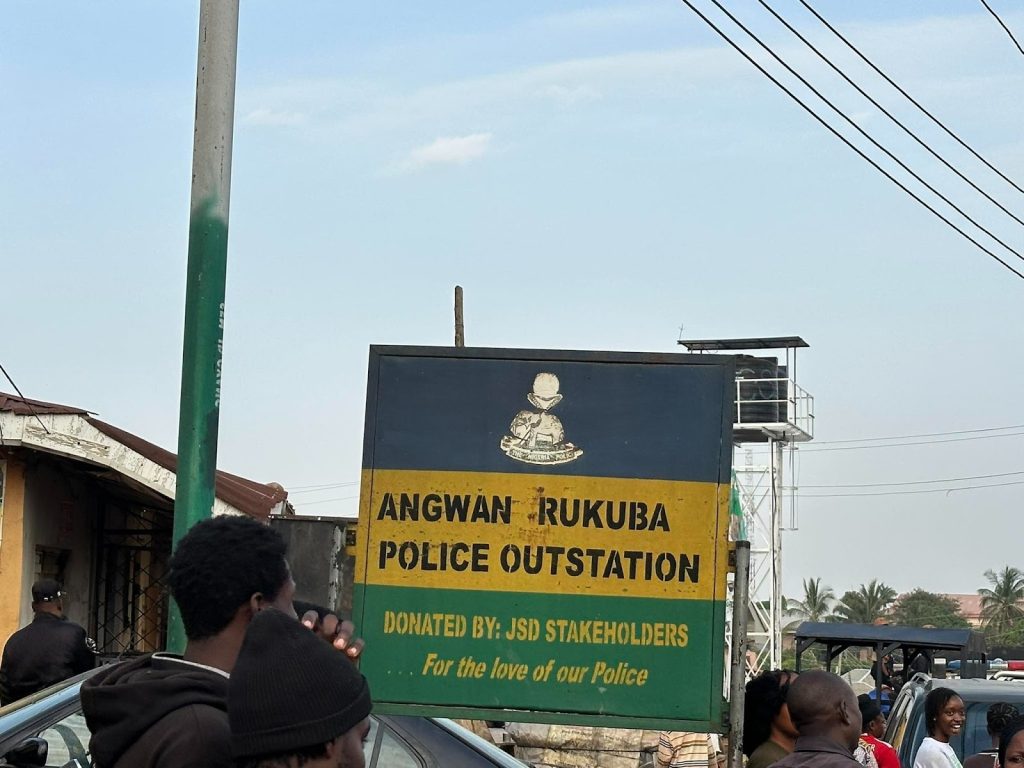
Alfred Alabo, the spokesperson of the Plateau Police Command, says they “are currently combing the nearby bushes to ensure that the suspects are arrested or dislodged”.
Angwan Rukuba is located just 10 minutes from both the Jos Main Market and University of Jos facilities, including the Senior Staff Quarters, Main Campus, and Permanent Site, as well as private housing for university staff and students. It also borders a large stretch of hills, including the popular Gog and Magog.
Notably, it is not a rural farming settlement or a mining community, but a densely populated, urban residential area with a diverse mix of residents, including students, civil servants, and traders. As such, the incident does not fit the typical pattern of farmer–herder clashes often reported in Plateau State.
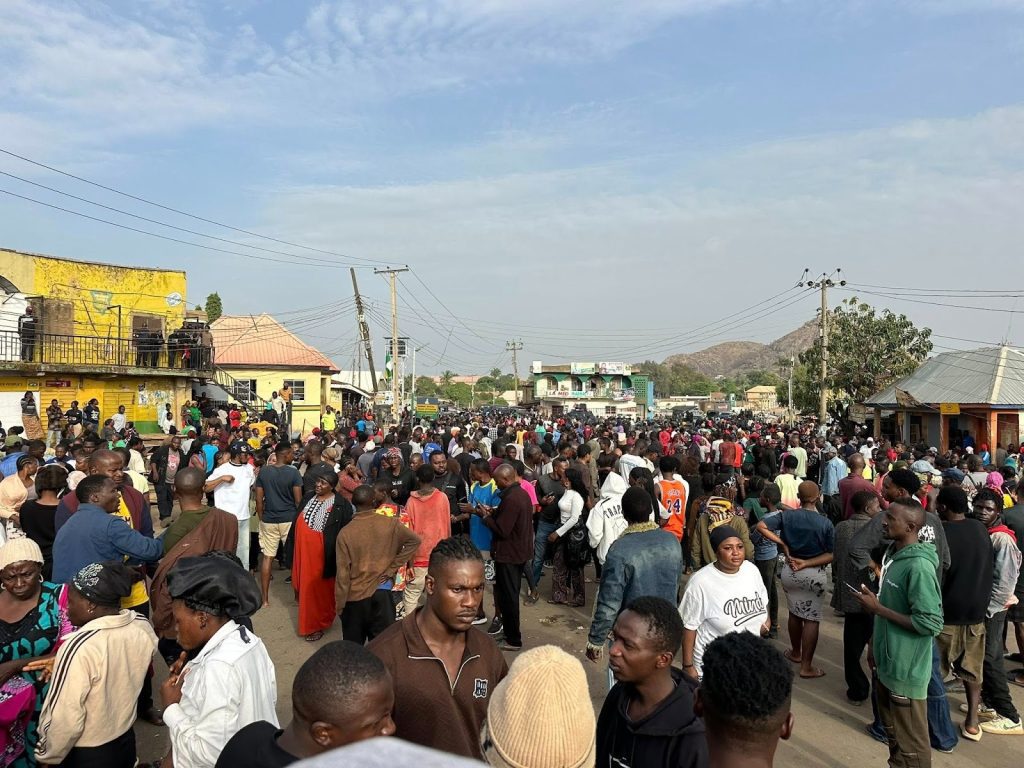
“This is right inside Jos. It is a mixed community; it is really a melting pot because everybody is here, and an injury to one is an injury to all,” said Julie Sanda, Director General of the Plateau Peace Building Agency (PPBA). “It was an unprovoked attack.”
Violence in Plateau State is multidimensional, involving terror attacks, conflict between farmers and herders in rural communities, and ethno-religious tensions that have rocked the city since 2001. However, one thing is common about these incidents in the Jos–Bukuru metropolis: they often lead to revenge attacks among ethno-religious groups, driven by deep-seated mistrust, which has in turn contributed to polarised settlements.
“If you know anything about Jos, if this incident had happened ten years ago, I don’t think we would be here today. It shows the resilience of the people and their courage,” Julie said.
Shortly after the attack on Sunday, the Plateau State Government imposed a dusk-to-dawn curfew in Jos North LGA until Wednesday, April 1. However, residents took to the streets in protest, displaying the bodies of the deceased. Additionally, the University of Jos has rescheduled its ongoing semester examinations. Caleb Mutfwang, the state governor, also visited the community on Monday, March 30.
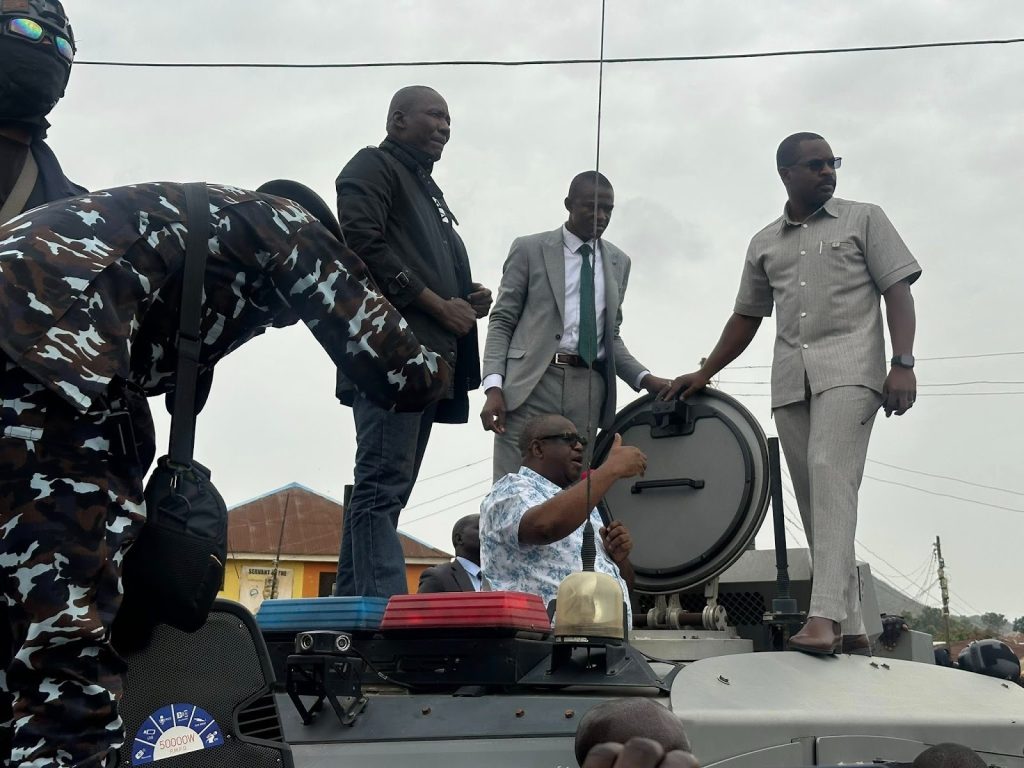
“I assure you that those responsible for this evil act will not go unpunished,” he said.
The state government has also reiterated its ban on commercial motorcycles in the Jos–Bukuru metropolis, which covers Jos North and Jos South LGAs. “Meanwhile, the hours of operation for tricycle riders (keke) still remain 6:00 a.m. to 7 p.m.,” according to Davou Gyang Jatua, the state Commissioner of Transport.
Residents who spoke to HumAngle said that, in recent months, unfamiliar motorcyclists — some of whom do not know locations within the metropolis — have been moving around. “Whenever I see keke and okada (motorcycles) out very late, I know there’s a risk of evil acts being perpetrated using them,” said Zoe Machunga, a Jos resident.
In the weeks leading up to the attack, some social media accounts had posted videos inciting violence in Jos, although it remains unclear whether such messaging contributed to the incident. The governor said the social media users responsible for the posts have been apprehended, a claim confirmed by Alfred, the police spokesperson, during a radio interview on Monday.
“Injustice has made healing difficult in Plateau State,” said Joseph Lengmang, a peace and security expert and former Director General of PPBA. “Peacebuilding efforts remain incomplete, and some underlying issues still need to be addressed.”
A sudden armed attack occurred on March 29 at Angwan Rukuba Junction in Jos North, Plateau State, Nigeria, resulting in the death of at least 27 people, including a pregnant woman.
Assailants, dressed in black camouflage, attacked the area with guns and machetes, and despite being near a police station, the initial response was slow.
The local community, comprising a mix of students, civil servants, and traders, organized protests following the incident, which was described as an unprovoked attack, distinct from the farmer-herder clashes common in the region.
In response, the Plateau State Government imposed a curfew and affirmed the ban on commercial motorcycles. It also took steps against violence incited by social media, with some arrests made. The attack reflects the ongoing ethnic and religious tensions in Plateau State, with peacebuilding efforts criticized for being incomplete. The incident underscores the broader challenges in achieving lasting peace and addressing deep-seated mistrust among various groups in the region.
Support Our Journalism
There are millions of ordinary people affected by conflict in Africa whose stories are missing in the mainstream media. HumAngle is determined to tell those challenging and under-reported stories, hoping that the people impacted by these conflicts will find the safety and security they deserve.
To ensure that we continue to provide public service coverage, we have a small favour to ask you. We want you to be part of our journalistic endeavour by contributing a token to us.
Your donation will further promote a robust, free, and independent media.
Donate HereStay Closer To The Stories That Matter