Nigerian Soldiers Fighting Terrorists Mark Armed Forces Day Amid Low Morale
The challenges surrounding officers’ morale are worsened by the late payments to the families of fallen soldiers, extended deployments without sufficient breaks, and the difficulties faced by veterans and widows in accessing the benefits they were promised.

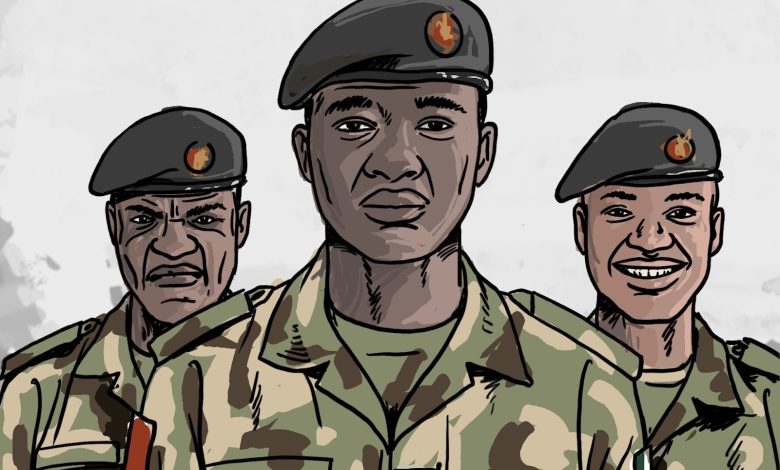
Ali Salim* is a gunner and a member of a special force combating terrorists in Kaduna State, one of the hotbeds of rural terror in North West Nigeria. He tried many things before becoming a soldier; he was first a trader and later pursued a university degree, but that endeavour was unyielding.
When he was a student at the university, everyone called him “bouncer”, and he would respond: “My morale is always high”. He had wanted to join the army even before gaining admission in 2017, but when he couldn’t just cope with university studies, he dropped out and followed his dream of becoming a soldier. He was recruited into the Nigerian Army in 2022 and deployed to the northwestern region to fight terrorists.
It’s about four years since he joined the army as a frontline soldier. He says he’s drained mentally, but has to keep fighting “because a good soldier doesn’t complain. You must follow the last order until you finish these bastards [sic] called terrorists”. He has engaged with terrorists on many occasions in gun duels. He has watched some of his fellow soldiers fall on the battlefield as terrorists launched bullets into their bodies. These moments shook him and made him rethink his career choice, but one thing dampens his energy more: the environment he works in is hostile, yet they sometimes fight with inferior weapons on empty stomachs.
“My morale is low now,” he cried.
Fighting with low spirits
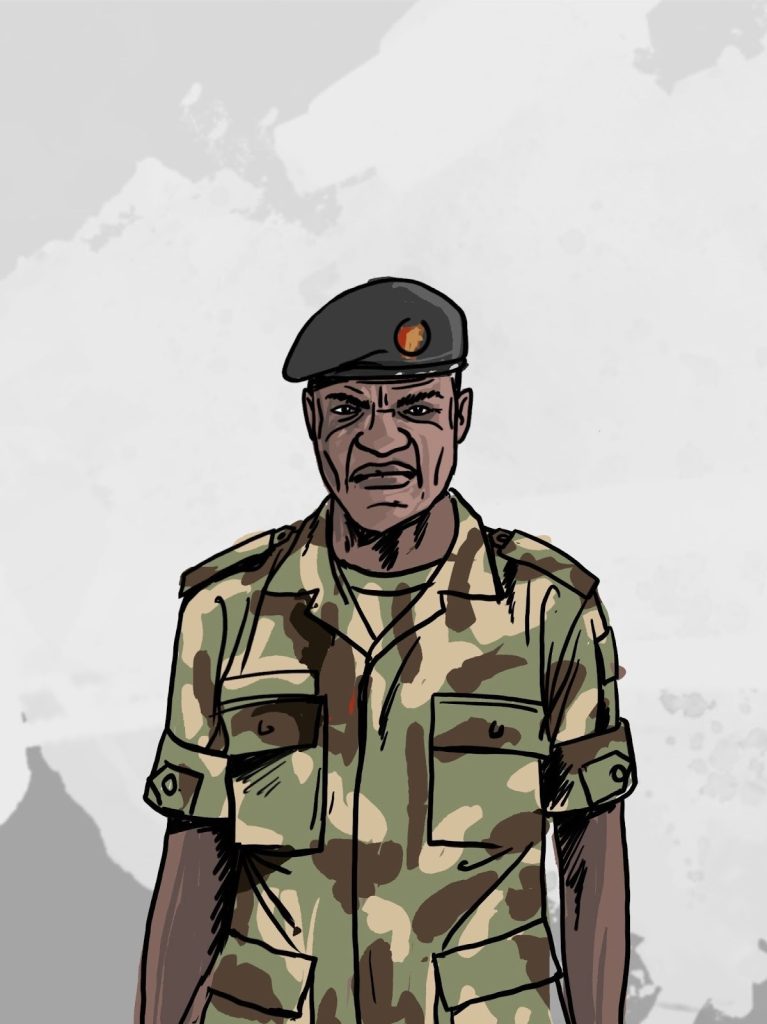
Nigerian soldiers fight assiduously to curb terrorist syndicates destroying lives and property in the country. Annually, the federal government observes the Armed Forces Remembrance Day on January 15, celebrating serving soldiers and honouring those who lost their lives fighting for the country. The annual event also commemorates the end of the civil war in 1970, marking the moment when Biafran soldiers surrendered for peace and national unity. The government often organises ceremonies, including parades, religious services, and wreath-laying, over a week, to pay tribute to the military’s sacrifices.
During the week-long 2026 programme themed “Valour, Sacrifice, and Unity: Honouring Our Heroes,” the federal government and state governors hailed troops’ courage and reaffirmed support for their welfare. President Bola Tinubu praised the armed forces, pledging reforms and improved welfare packages. The president also donated ₦200 million to support the Nigerian Legion, an umbrella body of Nigerian Armed Forces veterans, according to a press statement issued by Bayo Onanuga, the president’s Special Adviser on Information and Strategy.
“As we honour our heroes, I call on every Nigerian to reject divisive rhetoric and embrace respect, tolerance, and understanding. Our diversity is a national asset that must be projected and cherished,” the president said in the statement. “Our Armed Forces have demonstrated exceptional courage across various theatres of operations. Their efforts have restored normalcy to many communities and strengthened national stability. Under my administration, we have entrenched collaboration among security agencies and recorded significant gains.”
The Defence Minister, Christopher Musa, also urged soldiers to remain resilient, pledging Nigeria would overcome terrorism and banditry.
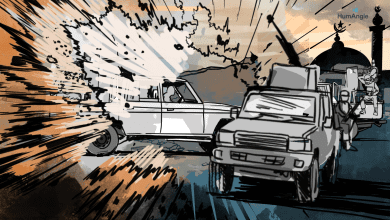
Despite these official tributes, some soldiers deployed in the northwestern region told HumAngle that they often feel disconnected from the celebrations. As Nigeria battles insecurity, soldiers on the frontline are lamenting shortages of equipment, protective gear, and delayed allowances. They confront rural violence and terrorism perpetrated by heavily armed gangs responsible for mass killings and kidnappings.
Beyond the battlefield dangers, the challenges surrounding officers’ morale are worsened by late payments to the families of fallen soldiers, extended deployments without sufficient breaks, and the difficulties faced by veterans and widows in accessing the benefits they were promised. Civil society organisations have consistently noted these issues, claiming that while there may be public gestures of appreciation, they often mask deeper neglect.
Poor welfare
For one, Ali believes celebrating the armed forces is good, but catering to their needs is far more important. Despite his dampened spirit, he joined others to celebrate fellow soldiers who stood by their country’s side through thick and thin to fight the enemies of peace and orderliness.
“Happy Armed Forces Remembrance Day to all my colleagues out there, I salute each and every one of us for committing ourselves, sacrificing our lives to protect the lives and property of citizens in the country,” Ali said on Armed Forces Day. “To all fallen heroes, may your gentle souls rest in perfect peace. Thank you for sacrificing your lives for the country. We will always remember you guys. To those of us alive, I’m using this opportunity to celebrate us and may God continue to bless and guide us.”
When Tunji Bello* was recruited into the army in 2016, his dream was to join hands with other soldiers to end the reign of terror in Nigeria. Like Ali, he was passionate about the job and the prestige that comes with it. He was deployed to Sokoto to fight local terrorists ravaging the state. He was always on the battlefield as a fighter and a defensive driver. Before becoming a soldier, he had heard stories about how terrorists were killing and kidnapping people in the northern region, but now he has to fight the assailants closely.
Tunji believes that many Nigerian soldiers like him are ready to put an end to terrorism in Nigeria, but they work in overwhelmingly disturbing conditions. Apart from poor equipment and hierarchical gaps, he noted that soldiers often go through hell to receive their allowances. Sometimes, he said, soldiers fighting fiercely can’t even properly take care of their families back home because of delayed allowances and meagre salaries.
He also said that soldiers deployed for counterterrorism operations in terrorist zones sometimes wait for years without redeployment, causing them to lose the energy needed to continue fighting.
“People are homesick, yet they keep them in one location for years without an opportunity to visit their families – all these kill their spirits,” he complained. “Some soldiers have spent up to five years in one location; they keep applying for a pass to see their families, especially gunners and drivers, but authorities won’t listen to them. This makes many soldiers depressed on operational ground.”
Several frontline soldiers told HumAngle that the military needs to improve the quality of the food provided to them. One soldier, who asked not to be named, said they feed them with terrible meals – “as if we’re prisoners”.
“You’ll see family men on operational ground being fed like they’re begging for food,” the soldier said curtly.
Fresh promises
Against this backdrop of frustration and hardship on the frontline, Nigeria’s Defence Minister recently reiterated the government’s commitment to improving the welfare of military personnel and their families. He made the pledge during the Armed Forces Remembrance Day inter-denominational church service held in Abuja on January 11, stressing that the sacrifices of fallen heroes will never be forgotten.
The minister noted that adequate welfare is essential for boosting morale and enabling soldiers to focus on their constitutional duty of safeguarding the nation. Musa added that the gathering served as both a solemn remembrance of fallen soldiers and a reaffirmation of the government’s resolve to prioritise military welfare while strengthening national unity.
“We honour with deep reverence the brave men and women who paid the supreme price in service to our country. Their sacrifice will never be forgotten,” he said.
*The sources’ names have been changed to protect their identities.
Ali Salim, a Nigerian soldier in Kaduna State, struggled as a student before joining the army in 2022 to fight terrorism.
Despite mental exhaustion and low morale due to difficult conditions, including inadequate weapons and support, Salim remains committed to his duty.
The Armed Forces Remembrance Day in Nigeria celebrates soldiers' bravery, but many like Salim feel disconnected due to shortages in equipment and delayed allowances affecting their families.
The Nigerian government acknowledges these challenges, with President Bola Tinubu pledging reforms and improved welfare for soldiers. The Defence Minister emphasized the need for better conditions to maintain morale and focus on national security. Yet, soldiers like Tunji Bello report suffering from long deployments without seeing their families and inadequate provisions, challenging their commitment and spirits.
Support Our Journalism
There are millions of ordinary people affected by conflict in Africa whose stories are missing in the mainstream media. HumAngle is determined to tell those challenging and under-reported stories, hoping that the people impacted by these conflicts will find the safety and security they deserve.
To ensure that we continue to provide public service coverage, we have a small favour to ask you. We want you to be part of our journalistic endeavour by contributing a token to us.
Your donation will further promote a robust, free, and independent media.
Donate HereStay Closer To The Stories That Matter