Humanitarian Crisis Worsens in DR Congo As M23 Rebels Refuse to Withdraw from Uvira
The security and humanitarian situation in South Kivu has worsened following the announcement of the withdrawal of M23/AFC.
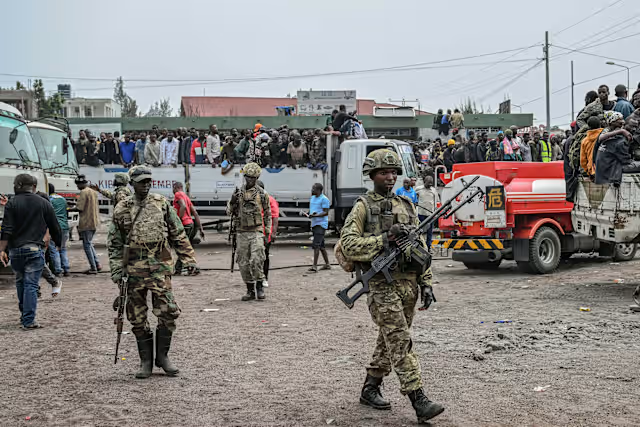
On Dec. 17, the M23/AFC rebels announced their withdrawal from Uvira, a city in the South Kivu Province of the Democratic Republic of Congo (DRC), due to pressure from the United States. The rebel group has, however, failed to keep its promise to restore peace in Uvira, thereby worsening the security and humanitarian situation throughout South Kivu Province.
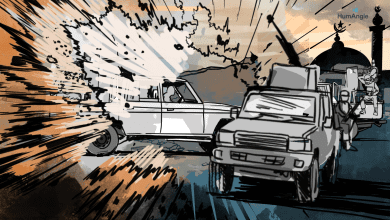
Fighting has since persisted between the M23 rebels and the Congolese armed forces, known as FARDC.
Amid shrinking funding, partly due to new American foreign policies, the United Nations Office for the Coordination of Humanitarian Affairs (UNOCHA) reports that armed groups are looting health and educational facilities in the troubled region.
“Since the announcement of the withdrawal by the M23 from the town of Uvira on Dec. 17, the security situation remains extremely precarious in the localities neighbouring and along the Uvira-Fizi highway. Armed violence continues, provoking continued displacements. Meanwhile, looting targeting notably educational and health structures has been reported, thus compromising access to health and education by thousands of persons. This persistent insecurity continues while the territories of Fizi and Uvira are already faced with increasing cases of cholera,” the UNOCHA office in DR Congo noted.
The UN agency, which is responsible for coordinating response to global humanitarian crises, natural disasters, and conflicts, added that a climate of unrest continues in these areas. Local humanitarian sources indicate that at least seven healthcare facilities in the Ruzizi health zone of Uvira territory and the Fizi health zone of Fizi territory have been looted and vandalised. Eight primary schools supported by the World Food Programme (WFP) have also been affected. This situation significantly limits access to medical care and disrupts children’s education.
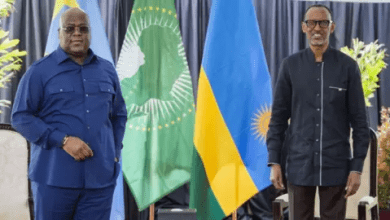
The invasion of the Uvira town by M23/AFC rebels has elicited strong reactions from the international community, particularly aimed at Rwanda. The US declared on Dec. 13 that Rwanda has failed to uphold its commitments made under the Washington Accord, which was concluded between Congolese President Felix Tshisekedi and Rwandan President Paul Kagame, with the participation of various regional heads of state and representatives from the African Union.
Facing international pressure, the M23/AFC rebels declared their intention to withdraw from Uvira to aid the peace process. This statement was released in a communiqué signed by Corneille Nangaa, the political coordinator of the rebel movement. However, a few days later, the American representative to the UN Security Council reiterated the call for the rebels to retreat at least 75 kilometres from Uvira, which they have yet to do.
The M23/AFC rebels announced their withdrawal from Uvira, South Kivu Province in the Democratic Republic of Congo due to U.S. pressure, but have not restored peace, worsening security and humanitarian conditions.
The continued conflict with Congolese forces and resulting looting of health and educational facilities have left thousands without access to essential services, notably amid a cholera outbreak.
Despite a proposed retreat to aid peace, rebels have not fulfilled this promise, prompting international criticism, particularly towards Rwanda for failing its commitments under the Washington Accord.
The UN, and the U.S. specifically, have urged the rebels to withdraw significantly from Uvira to support peace efforts.
Support Our Journalism
There are millions of ordinary people affected by conflict in Africa whose stories are missing in the mainstream media. HumAngle is determined to tell those challenging and under-reported stories, hoping that the people impacted by these conflicts will find the safety and security they deserve.
To ensure that we continue to provide public service coverage, we have a small favour to ask you. We want you to be part of our journalistic endeavour by contributing a token to us.
Your donation will further promote a robust, free, and independent media.
Donate HereStay Closer To The Stories That Matter