#HumAngleAt6: Sally Hayden Shares on Ethical Dilemmas in Conflict Reporting
As HumAngle marks its sixth anniversary, award-winning journalist Sally Hayden guides reporters on ethical challenges in conflict zones, emphasising integrity, risk assessment, and mental well-being in high-stakes reporting.

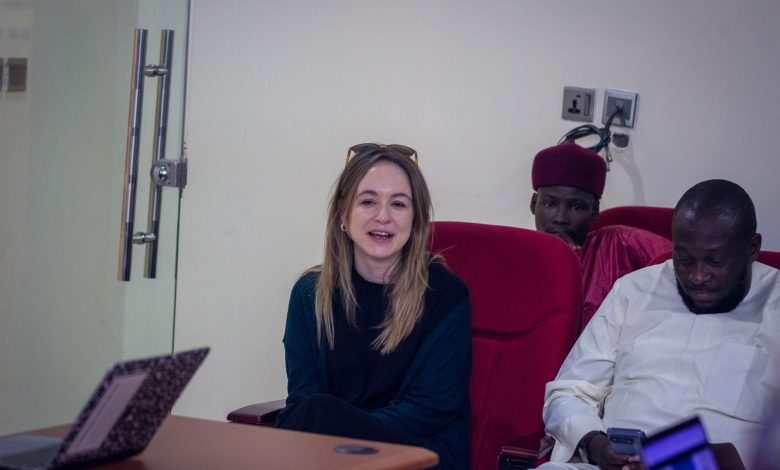
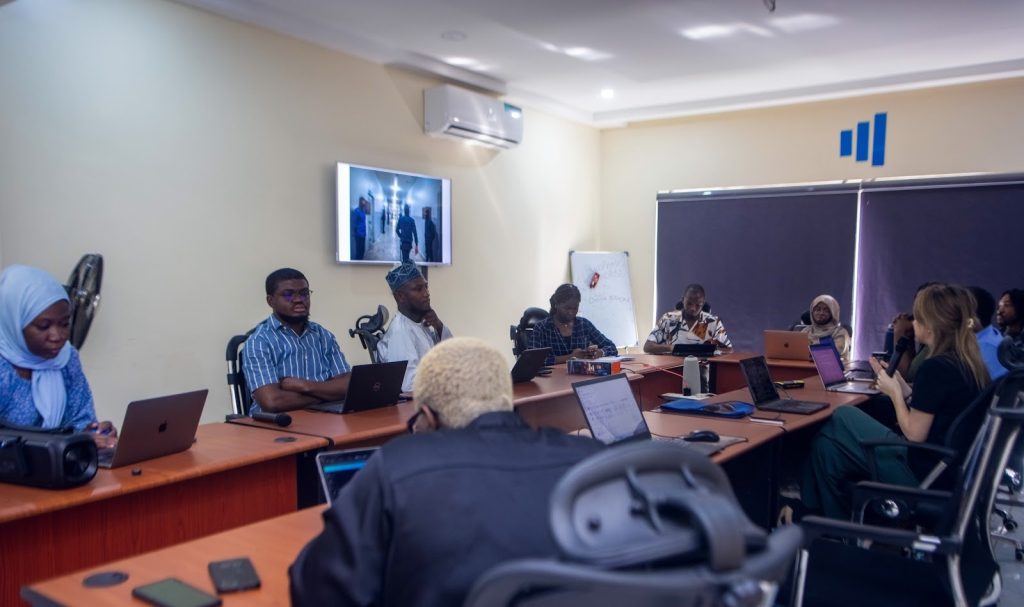
As part of its sixth-anniversary celebrations, HumAngle, Africa’s leading conflict and humanitarian crises reporting newsroom, held a training session on “ethical dilemmas in conflict reporting” on Tuesday, March 3, in Abuja, North Central Nigeria.
The session, which brought together HumAngle editors and reporters, was led by award-winning journalist Sally Hayden and focused on the challenges and responsibilities of reporting from conflict zones.
Founded in 2020, HumAngle has been at the forefront of covering insurgency and mass displacement, publishing investigations and exposés on state failure, human rights violations, climate vulnerability, abductions, disappearances, and systemic corruption.
According to Ahmad Salkida, Founder and CEO of HumAngle, the training is part of its bold agenda to transform the newsroom into a lasting knowledge institution.
“The initiative reflects our commitment to equipping journalists with skills that align with global standards, ensuring they are prepared to navigate the complexities of reporting in conflict-affected regions while maintaining professional integrity,” he said.
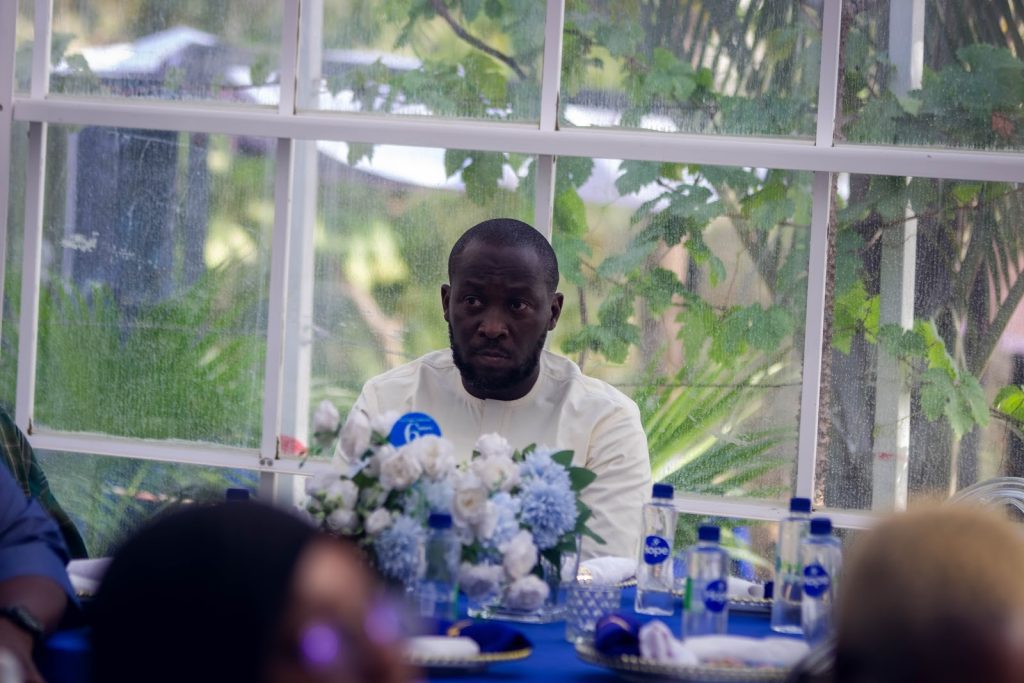
Ahmad also revealed that over the last six years, HumAngle has consistently shifted the world’s gaze to underreported stories, fought for accountability, and demanded justice. “When we started HumAngle, we knew the road would be tough, but we also knew it was necessary. We set out to create a platform that would not only report the news but transform it into a tool for change,” he added.
The CEO also highlighted plans to strengthen digital security and newsroom resilience by expanding the scope and quality of fellowships and investing in capacity-building initiatives. He added that a key part of this vision is establishing permanent institutional infrastructure, which he described as critical to sustaining HumAngle’s mission and impact in the long term.
“Going forward, our newsroom focus will be on scaling investigative capacity across the Sahel, expanding immersive and data-driven storytelling, and deepening transitional and reparative justice and reporting,” he noted.
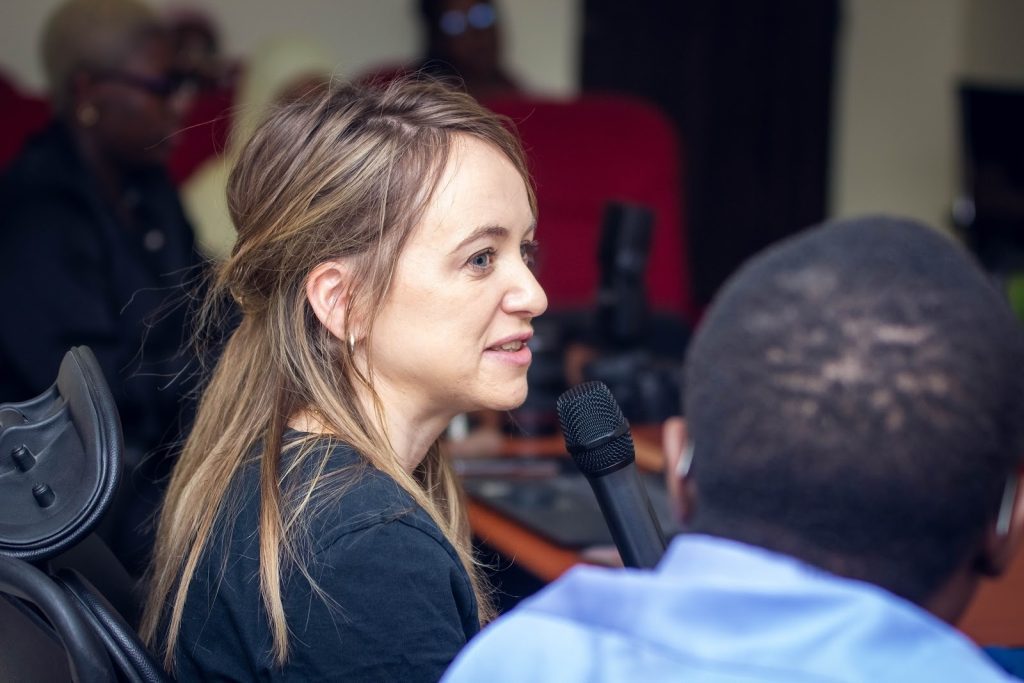
Through interactive discussions, Sally unpacked the ethical grey zones that define conflict reporting: access negotiated under restrictive conditions, the burden of bearing witness, and the solitude of decision-making in volatile environments. Drawing on years of reporting from Iraq, Syria, Sudan, Burkina Faso, Lebanon, Palestine, Nigeria, and beyond, she shared practical frameworks for risk assessment, personal safety, and editorial judgement.
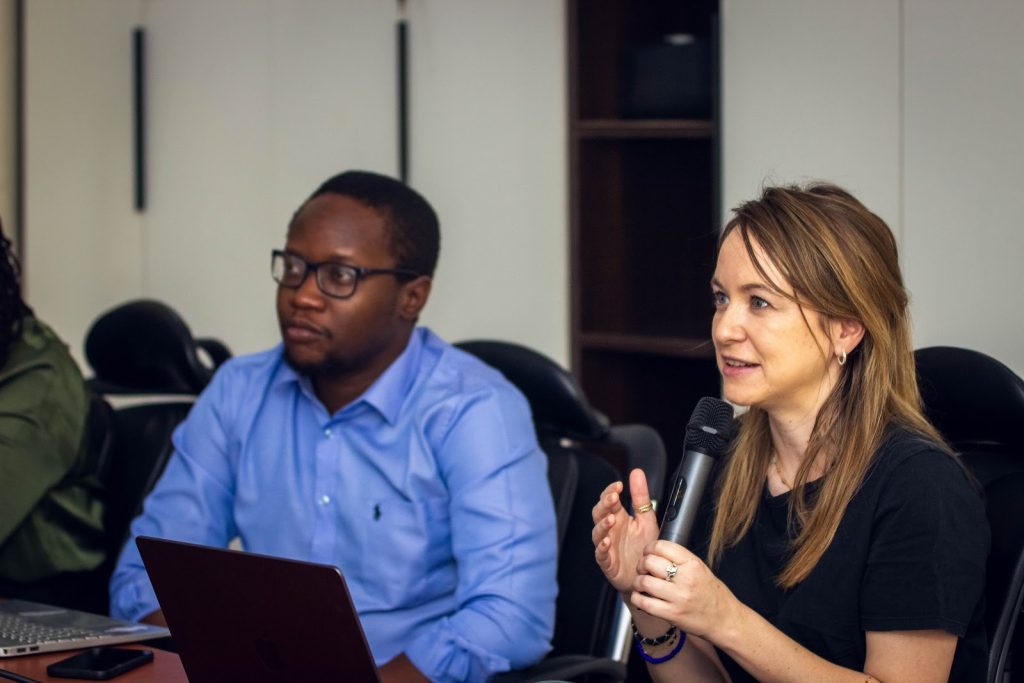
“Sometimes, you face situations that no one has ever faced because you’re the only one in that specific place at that specific time, so sharing experiences helps other journalists who may be there some day,” she reflected.
Drawing on her years of experience covering conflict-affected regions such as Iraq, Syria, and Sudan, among others, risk assessment and decision-making were also central to the discussions, equipping attendees with frameworks to evaluate personal and organisational safety in volatile contexts.
One such moment came in 2025, when she reported from a Syrian prison housing suspected Islamic State members. The access was conditional.
“We were told we could go to the prison as long as we followed certain rules. We could not ask how the prisoners were or about other things. Most importantly, we could not tell them about current events. We were told this was for security reasons.”
Sally and the attendees further discussed how ethical reporting in conflict zones demands constant negotiation between access, accuracy, and accountability.
Equally pressing was the psychological toll of the work. She spoke candidly about trauma, burnout, and the importance of self-awareness. In conflict reporting, she stressed, it does not merely document suffering; it absorbs it.
“When you’re constantly surrounded by insecurity, it can be helpful to find something to do rather than constantly be lost,” she advised, urging journalists to cultivate routines and boundaries that protect their mental health.
According to Saduwo Banyawa, HumAngle’s Adamawa and Taraba Correspondent, the conversation made her realise that “it is okay to feel stuck as a journalist at times and when one gets unnecessarily pressured or has their mental health strained, they should prioritise self-care.”
Over the years, HumAngle has prioritised the mental well-being of reporters and other team members through an Employee Assistance Programme, which offers confidential, one-on-one counselling sessions with our in-house licensed clinical psychologist.
Recently, the newsroom introduced an Anti-Burnout Work Policy that has embedded a three-month rest period into newsroom staff contracts while still providing full annual pay.
“HumAngle’s reporters routinely work in and around conflict zones, camps for displaced people, and communities living with violence and trauma. This kind of journalism demands not just technical skill but emotional stamina and deep empathy, and the costs are often borne silently,” the CEO noted.
Reflecting on the training, Sabiqah Bello, Multimedia Reporter, described it as both relevant and validating to the experiences of conflict reporters.
“It was particularly insightful because it came from a journalist with extensive, cross-regional experience covering conflict and war, and who has had to confront the realities of that work firsthand. It was especially valuable that we explored ethical dilemmas faced in conflict reporting,” she added.
As part of its sixth-anniversary celebrations, HumAngle, a leading African conflict and humanitarian crisis reporting newsroom, held a training on "ethical dilemmas in conflict reporting" in Abuja, led by journalist Sally Hayden.
The session gathered HumAngle editors and reporters to discuss the challenges of reporting in conflict zones and emphasized maintaining professional integrity. Founded in 2020, HumAngle aims to transform its newsroom into a lasting knowledge institution and is investing in digital security, quality of fellowships, and capacity building.
Ahmad Salkida, HumAngle's Founder, highlighted the organization's role in spotlighting underreported stories, accountability, and justice, with plans to enhance investigative reporting and storytelling. Sally Hayden shared frameworks for risk assessment and editorial judgment based on her extensive experience in conflict areas like Iraq, Syria, and Sudan. The session also addressed the psychological toll on journalists and the importance of self-care. HumAngle supports its team with an Employee Assistance Programme and an Anti-Burnout Work Policy, ensuring their reporters are both technically skilled and emotionally resilient.
Support Our Journalism
There are millions of ordinary people affected by conflict in Africa whose stories are missing in the mainstream media. HumAngle is determined to tell those challenging and under-reported stories, hoping that the people impacted by these conflicts will find the safety and security they deserve.
To ensure that we continue to provide public service coverage, we have a small favour to ask you. We want you to be part of our journalistic endeavour by contributing a token to us.
Your donation will further promote a robust, free, and independent media.
Donate HereStay Closer To The Stories That Matter