Help Is Coming: Following Up on Climate-Induced Crises in the Sahel
In 2025, HumAngle travelled to villages affected by climate crises in the Sahel. Following our reporting, the Yobe State government handed over 10 designated sites for the construction of hybrid solar-powered boreholes across 10 oasis communities.

This story was supported by the Pulitzer Centre.
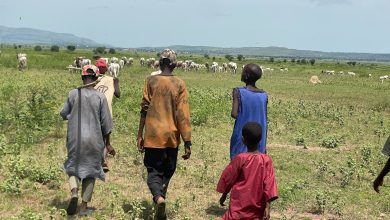
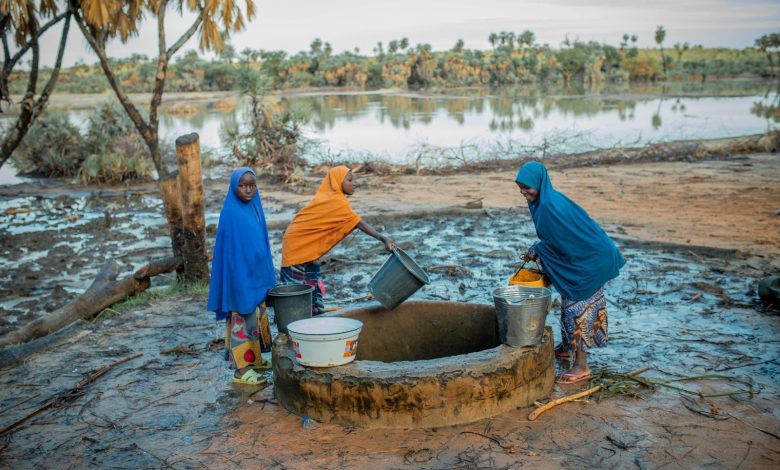
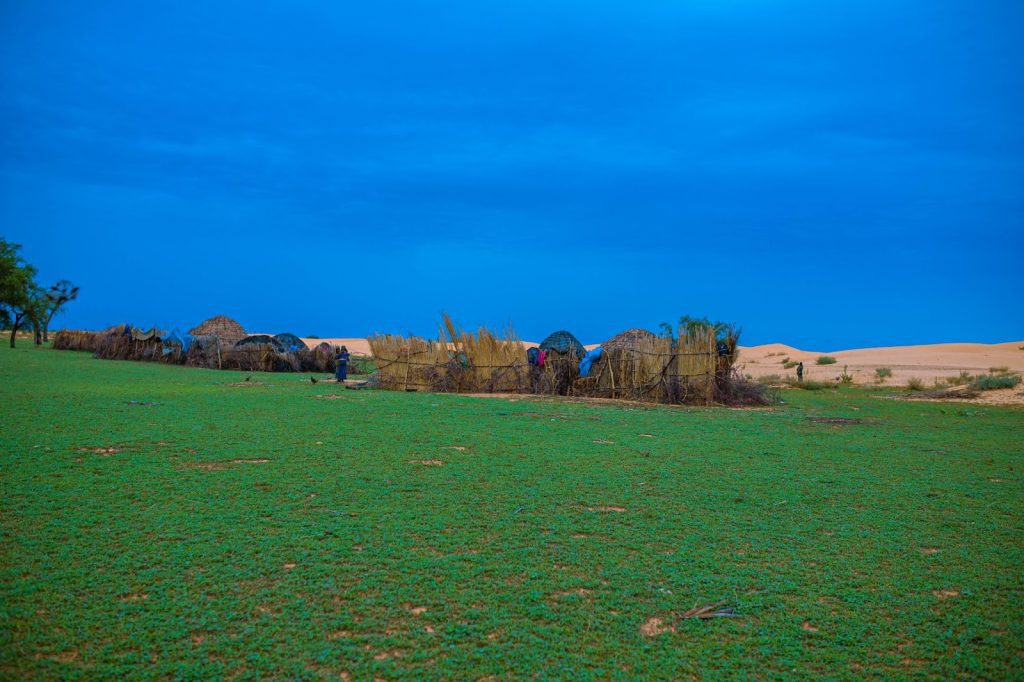
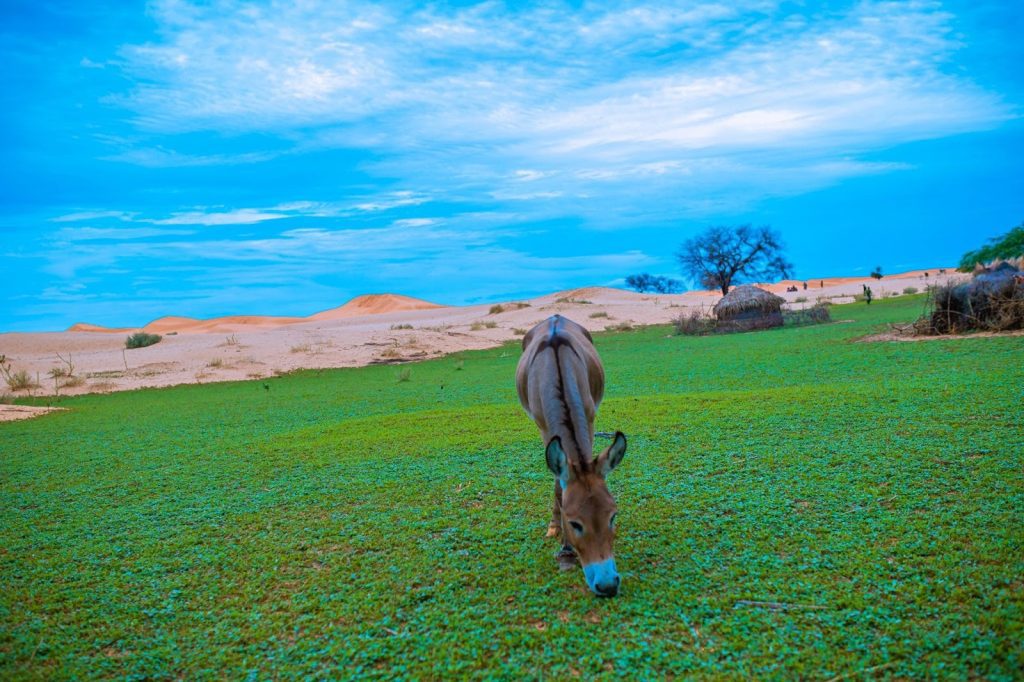
For a long time, people in Bultu-Briya have lived in anguish; their environment seems to be at war with them, and they spend most of their lives fighting back. Climate crises like desert encroachment is eating deep into the community, killing fertile lands, and uprooting trees and homes. Drought has brought a plague to the land, drying up rivers and wells in the locality and across many communities in the Yusufari Local Government Area of Yobe State, northeastern Nigeria.
The climate crisis has triggered food and water scarcity, forcing villagers to move to urban areas in Lagos and Abuja, while hundreds of others have migrated to neighbouring countries like the Niger Republic and Cameroon. Those who refused to leave became the victims of the climate crisis. In far-to-reach communities like Tulo-Tulo and Bula-Tura, dunes have moved so close that hundreds of families have been displaced into the shadows of despair. Thirty miles away, in Zakkari town, locals say they have not harvested in more than seven years. Farmers have had to abandon farming for other menial jobs, as famine crept into the communities.
The curious cases of terrorism and insurgency have made lives even more difficult for people battling environmental crises. Thousands have been killed and displaced in the northeastern region due to recurring attacks from terrorists subjugating communities under the influence of radical Islamist ideologies. Local and state authorities appear to have lost touch with remote villages affected by the climate crisis, transforming once-populated areas into ghost communities.
The scourge of extreme weather and ecological collapse in the region has exacerbated a vicious cycle of poverty, food insecurity, and mass displacement, providing a fertile environment for extremist groups like Boko Haram to thrive. Environmental shifts have devastated climate-sensitive industries such as farming and fishing, which support 70 per cent of the regional workforce, leaving the youth highly vulnerable to radicalisation as a means of survival, according to a study by the Growing Thought Leadership Award.
“Climate change seems to act as a threat multiplier, since it worsens every component of the cycle of issues harming the area of Lake Chad,” said Camilla Carlesi, the author of the study. “The tendency to produce suicide bombers is greater in a community defined by mass misery and joblessness than in one in which the basic needs of food, education, health, housing, and sanitation are met.”
The reporting approach
With support from the Pulitzer Centre, HumAngle embarked on a six-month reporting project in 2025, travelling to the fringes of villages affected by drought and desertification in Yobe State. Working with local journalists in Cameroon and the Niger Republic, we tracked the stories of Nigerian climate migrants seeking greener pastures in the neighbouring countries.
What we found shows that state authorities’ mismanagement of climate funding has left communities helpless amid harsh environmental realities. Our reporting has however triggered some positive action by the government.
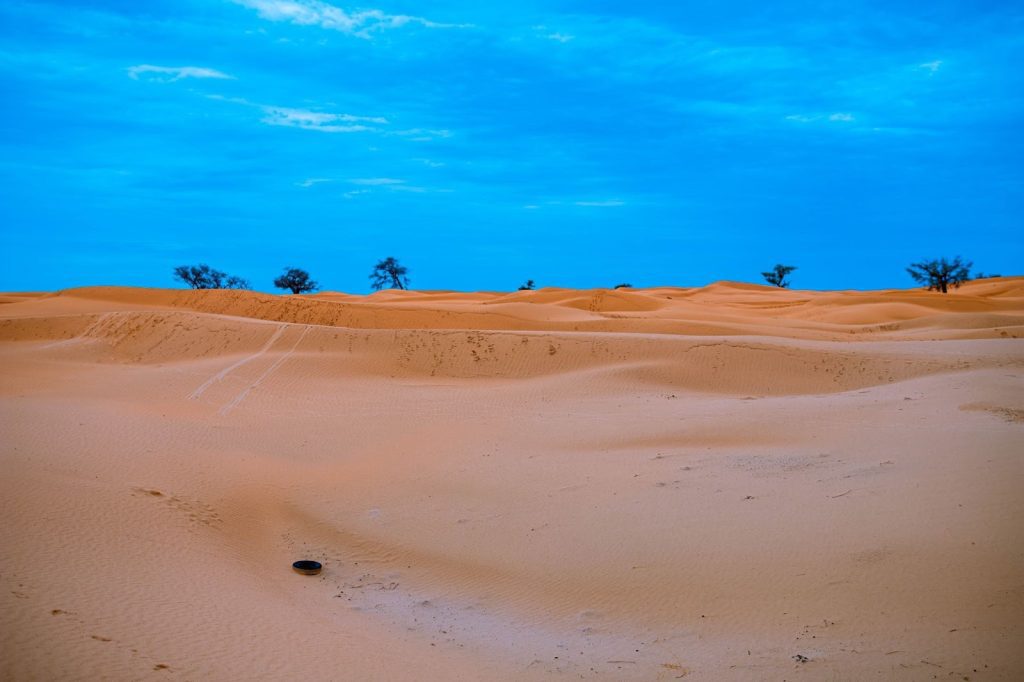
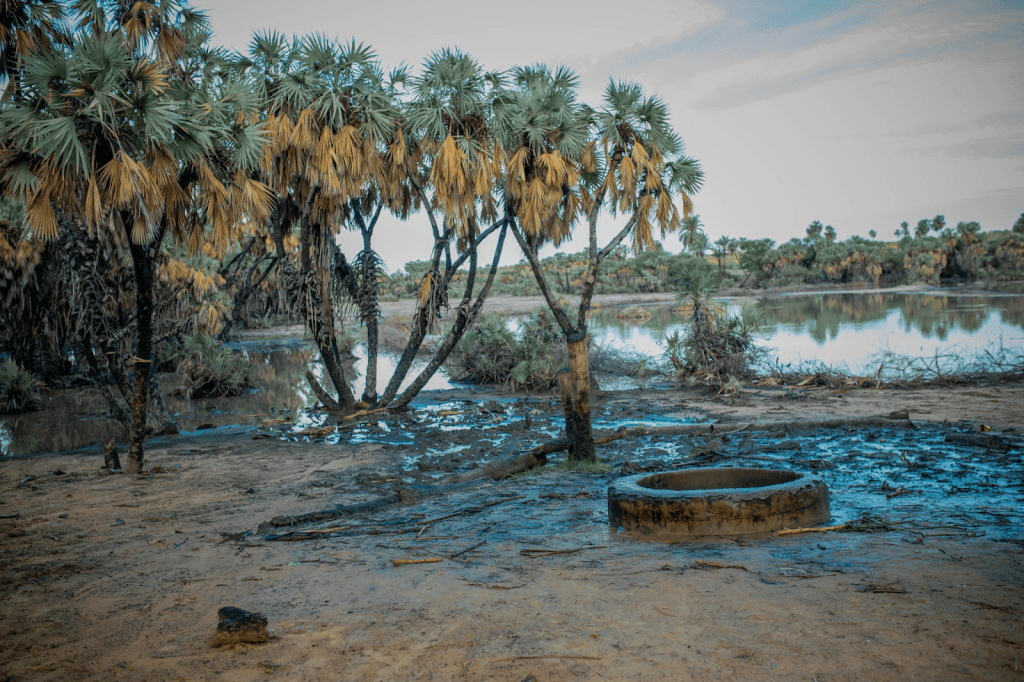
Our reporting documented first-hand accounts from villagers in the affected area. Most of them told HumAngle that contaminated water sources and barren fields have led to forced migration. HumAngle also conducted cross-border reporting across the Sahel, spotlighting the lives of climate migrants who are lost in host communities. We documented journeys into Libya, Cameroon, and Niger Republic, exposing the realities of forced migration as a transnational crisis rather than a localised problem.
Using satellite imagery and land-cover analyses from sources such as NASA’s GRACE mission and Landsat datasets, we validated villagers’ testimonies by showing vegetation loss, shrinking water bodies, and advancing desert dunes. The report also blends local testimonies, expert analysis, and UN predictions to triangulate the findings. For instance, villagers’ accounts of poisoned wells are juxtaposed with UNHCR warnings about climate-driven displacement, and expert commentary from the Global Centre for Climate Mobility provides policy-oriented perspectives.
By tracking billions of naira earmarked for climate adaptation projects and contrasting them with the absence of results on the ground, the investigation exposes governance gaps and leadership failures in the state.
Strategy for impact
To reach a wider audience, the investigation was produced in English, French, and Hausa, across four media organisations in Nigeria, Cameroon, and the Niger Republic.
We published on HumAngle to target policymakers in the disaster and humanitarian sectors across the Sahel. TheCable, the Nigerian online newspaper, syndicated the story to a broader Nigerian audience. Echo Du Niger published the story in French to grab the attention of the Niger Republic audience. In Cameroon, we published both online and print versions via the Guardian Post to target young and traditional news consumers. We also produced a short video explainer in English and Hausa to reach local audiences.
These distribution plans were effective in educating locals and prompting them to hold the government accountable. Following the investigation, we launched online campaigns for change in local languages. One such campaign by HumAngle’s local reporting partner, Usman Adamu, caught attention on Facebook, garnering thousands of reactions and comments. In October 2025, Usman addressed the locals’ concerns about contaminated water in their rivers and wells, which was making life even more challenging. He noted that in the past, a local from Bultu-Briya village in Yusufari LGA had called him in a state of extreme distress and panic, about their current situation, as their water source had become completely contaminated – as we reported.
“As it stands, the residents have to travel long distances to various valleys or neighbouring villages just to find water for their daily use and consumption,” Usman said.
HumAngle’s impact-driven reporting caught the attention of state and local officials, who reached out, promising to swing into action. For months, we didn’t just rely on their promises; we followed up with calls and messages.
A flicker of hope
In December 2025, the Yobe State Government, through the Agro-Climatic Resilience in Semi-Arid Landscapes (ACReSAL) project, handed over 10 designated sites for the construction of hybrid solar-powered boreholes across 10 oasis communities in the Yusufari LGA to cushion the effects of climate-induced crises contaminating water sources in the area. State officials said the intervention would enhance access to clean water, support livelihoods, and strengthen environmental stability in areas severely affected by water scarcity and climate-induced challenges.
Shehu Mohammed, the ACReSAL State Project Coordinator, remarked that the initiative aligns with Governor Mai Mala Buni’s directive to focus on communities without dependable water sources and those facing severe shortages. He said the effort is part of a broader strategy to restore oases and improve the living conditions of rural households.
“Let me assure you that by the grace of Almighty God, your communities will have access to safe and clean water within the next three months. This intervention is a direct response to the governor’s commitment to addressing water scarcity and improving community resilience,” Shehu stated.
The benefiting communities include Kafi-Kere, Boridi, Gaptori, Bula Ariye, Lawan Ganari, and Bulamari, all in Yusufari LGA. They were selected based on their urgent need for sustainable water solutions. Speaking on behalf of the contracting firm, AI-Import & Export, Mohammed Ali, the project manager, assured ACReSAL and the state government of quality service delivery and timely completion of the project. He emphasised the company’s commitment to carrying out the borehole operations in full compliance with the contract’s technical specifications.
Although the project has not been completed as of the time of reporting, locals told HumAngle that the initiative has given them a flicker of hope that a good water system will be installed in their communities after decades of drinking from contaminated wells.
Help is coming
Following HumAngle’s investigation, the Yusufari LGA chairperson, Adam Jibrin, said that at the local level, his government is committed to building solar-powered water systems in communities not covered by ACReSAL’s interventions. Adam wondered why the state government refused to work with them on the ACReSAL’s solar-powered water system projects.
“There hasn’t been effective stakeholder engagement before deciding to construct the boreholes. As LG officials, we are supposed to be contacted because we are closer and more aware of the needs of our citizens,” he said.
Adam had reached out to the affected communities spotlighted in HumAngle’s investigation to understand how to intervene. He said he had lobbied for more funding to execute massive water projects in the area, but there had been delays until recently. Adam became the LGA chairperson in December 2025, after the sudden death of his predecessor, who had laid the groundwork for the water projects upon reading HumAngle’s story.
“As I speak to you, I am in Damaturu to follow up about it so that the approval will be given. But even without the approval, we look at other opportunities to see how we can support our communities,” he told HumAngle. “You know the water issue is very broad and big in Yusufari. Since I became the chairman following my predecessor’s death, we have rebuilt many boreholes to use solar power. And of all the communities we have visited, they are severely in need of the water (like in Bultu-Briya).”
In Yusufari, hand pumps were installed in many communities, but the LGA chairperson said he has directed the Department of Works to conduct an assessment to convert all of them to solar-powered water systems. Adam said that when he went to Bultu-Briya, he confirmed HumAngle’s report that water sources are causing diarrhoea and stomach pain.
“You know this is government work, and we are only doing what is possible within our means; there’s a lot of concern regarding this water issue,” he added. “I know some used to travel far to get it, while others will not get it even if they travel. For Bultu-Briya, we reached out to them a few weeks ago to construct a hand pump, but they said they don’t want a hand pump; they want a solar-powered borehole.”
He noted that, following HumAngle’s story, the late LGA chairperson had ordered someone to go to Bultu-Briya to assess the need for a hand pump, but the villagers insisted they wanted a solar-powered one. “After my swearing in, the people of Bultu-Briya have come to my office regarding the water issue. I told them that, since they don’t want the hand pump, I will mobilise funds to construct the borehole to their needs. You know, the terrain of the place is also an issue, but that will not deter us from doing what is expected.”
The local administrator made these commitments when contacted over the phone earlier in March. Later that month, however, Yusuf Abdullahi, a community stakeholder in Bultu-Briya, told HumAngle that plans to install a solar-powered water system in the village had commenced. He said engineers have recently visited the construction sites and have pledged to complete the project as soon as possible.
Amid these developments at the local level, some climate migrants who left Nigeria for Cameroon joined hundreds of refugees repatriated into the country. About 300 Nigerians taking refuge in Cameroon’s Far North, including climate migrants, have voluntarily left the Minawao refugee camp to return home. On Jan. 27, they were transported in five buses, as part of an ongoing scheme to repatriate a total of 3,122 refugees from the camp. Most of them were displaced many years ago by a hail of insurgency and environmental collapse in the northeastern region.
Communities in Yobe State, Nigeria, are destabilized by the climate crisis, experiencing severe droughts and desert encroachment leading to food, water scarcity, and mass migration.
The deteriorating environment has compounded existing terrorism issues, creating dire living conditions that leave residents vulnerable to extremism.
HumAngle's investigative reporting highlighted these challenges and spurred positive local and government actions towards sustainable water solutions.
Reporting revealed the mismanagement of climate funds and resulted in accountability measures, encouraging the government to undertake initiatives, such as hybrid solar-powered boreholes, in severely affected areas. Local authorities are also working to implement solar-powered water systems following public demands, with community engagement prioritizing tackling water scarcity.
Additionally, some climate migrants are repatriating to Nigeria from Cameroon, searching for stability as government interventions show promising signs of improving conditions.
Support Our Journalism
There are millions of ordinary people affected by conflict in Africa whose stories are missing in the mainstream media. HumAngle is determined to tell those challenging and under-reported stories, hoping that the people impacted by these conflicts will find the safety and security they deserve.
To ensure that we continue to provide public service coverage, we have a small favour to ask you. We want you to be part of our journalistic endeavour by contributing a token to us.
Your donation will further promote a robust, free, and independent media.
Donate HereStay Closer To The Stories That Matter