The Defiant Health Worker Targeted to Treat Injured Terrorists in Zamfara
When they fall ill or are wounded by gunshots, terrorists are usually wary of visiting health facilities within the Tsafe area in Zamfara. They came up with a plan to abduct a health worker to treat their injured fighters, and Amiru was the prime target.

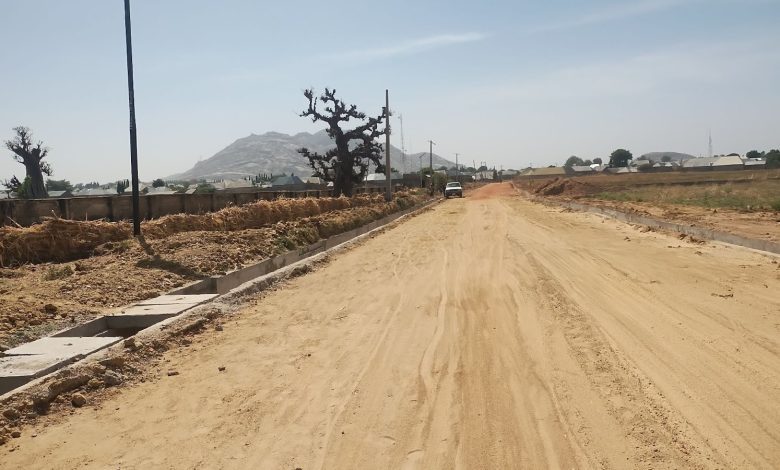
On 15 different occasions, terrorists trailing Amiru Bala failed to capture him. They succeeded on their 16th attempt in the Tsafe area of Zamfara State, northwestern Nigeria.
Amiru, whose locality is boiling with rural terrorists turning towns and villages into hell, is revered for providing effective, yet affordable medical care to residents of the Bakin Manya village in Tsafe and is praised for compassionately treating his patients.
In his village, criminal actors have metamorphosed into killing, kidnapping, and maiming residents at will. For more than a decade, security forces have tried but failed to rein in attacks on civilians, causing distrust between locals and state authorities.
Life in Bakin Manya is hard, residents said. Nobody trusts anybody; many young people within the local community have joined the bandwagon of terrorists killing for fun and kidnapping for ransom. Amid this devastating development, the health system in the rural villages is debilitating, with clinics and hospitals running out of drugs, staff, and patients.
“Our life is threatened, our peace is lost, and our homes are broken,” Amiru cried, as he spoke to HumAngle after regaining his freedom. “Our neighbours turned into sworn enemies. Many among them do not understand why they were subconsciously lured into rural terrorism by their kinsmen, harrowing as their enslaved masters.”
Becoming a community health worker
Amiru said he grew up in an indigent family. At 10, he was inspired to go to school after seeing a team of health workers conducting house-to-house vaccination. It took him over a year to appeal to his father to enrol him in the village primary school. He finally gained admission into the Chediya Primary School when he was 11. After completing his primary education, he proceeded to the Government Science Secondary School in Tsafe, where his interest in science and health grew rapidly.
He later secured admission into College of Health Science and Technology, Tsafe, and graduated as a Senior Community Health Extension Worker after two years of study. Amiru returned to Bakin Manya to focus on providing medical care for villagers and organising campaigns against seasonal diseases.
As medical needs grew within the community, more villagers knocked on his door. He would soon become popular within and outside his community.
Amiru said he advised the village leadership to sponsor the medical needs of some of the community members, but his hope was thwarted when terrorists took over the governance of the village. Rural terrorism has taken a toll on the people, with criminals operating without hindrance.
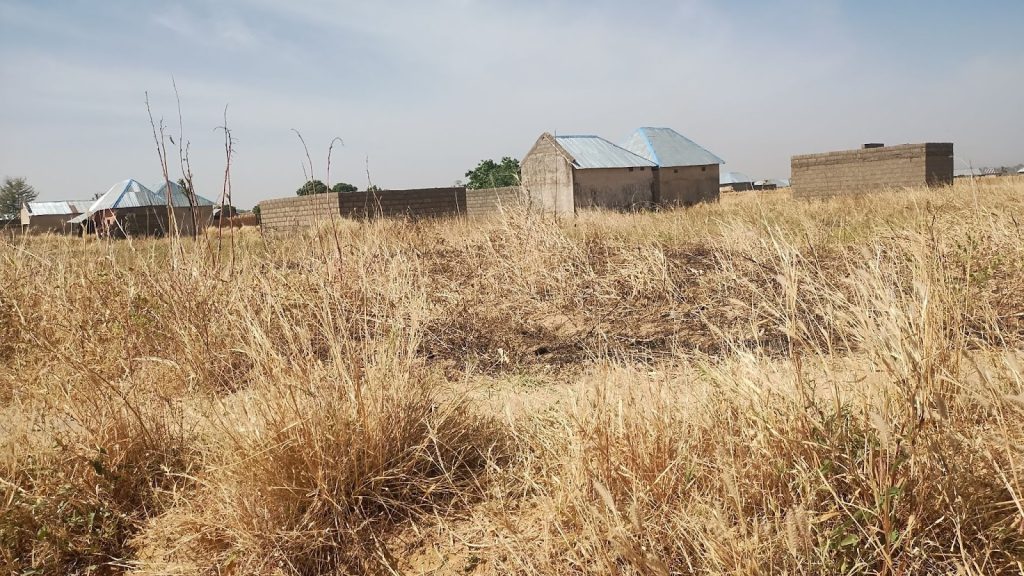
“Today, as I speak, there are no vehicle movements; not even a bicycle would dare or try passing through the entire northern parts of Chediya Ward, which is just 5-6 kilometres away from the Tsafe local government headquarters,” he lamented.
A community ruled by terrorists
Life became even harder when terror groups in Tsafe decided to take total control of Chediya, including Amiru’s village. They divided the ward into two: The Chediya North and South. One terrorist leader, Kachalla Musa, first tried to subjugate 14 communities in Chediya North but failed, calling the locals “irredeemably bad people” because they refused to be submissive or negotiate with him. Kabiru Adamu, the Chediya district head, said life has been miserable for his people since they refused to adhere to the demands of the terrorists. For at least five years, they have been under incessant attacks.
“Two different gangs loyal to Ado Aleru and his kinsmen, Hassan Nabamamu and Kachalla Saidu, came together recently to launch a weeklong attack on our communities. Their mission was to displace all of us. In that attack, there were 35 people killed, 29 abducted; they ransacked houses and shops where they looted,” Kabiru recounted.
Amid escalating chaos, the community faced a difficult predicament beyond their resilience. As state authorities failed to offer assistance against the terrorists, they were left with no choice but to negotiate. About 300 individuals were forced into manual labour on the terrorists’ farms, as part of the so-called peace deal. The community paid millions of naira to gang leader Ado through his agent, Musa Kwamanda, but locals still live in fear.
In Chediya South, locals have totally succumbed to the antics of terrorists, allowing them to operate freely in exchange for their freedom. Since they entered into the peace deal with Ado’s gang in February 2025, they said they had not experienced any major attack or abduction.
“We eat together and spend most of the night with the terrorists at our homes. Our farmlands are free for us, travel to Gusau and Tsafe towns and safely return at any time,” said Mamman Dirmi, the village monarch of Chediya South. “Our matrimonial beds are shared with the armed terrorists, especially the young boys among them. Although we reported to Ado, asking for his intervention, nothing seems to have changed for the better.”
Despite adhering to the terrorists’ rules and regulations, however, residents in the Chediya North told HumAngle that things became even tougher. The terrorists have taken over the main road to the community, extorting travellers and raping women and girls indiscriminately.
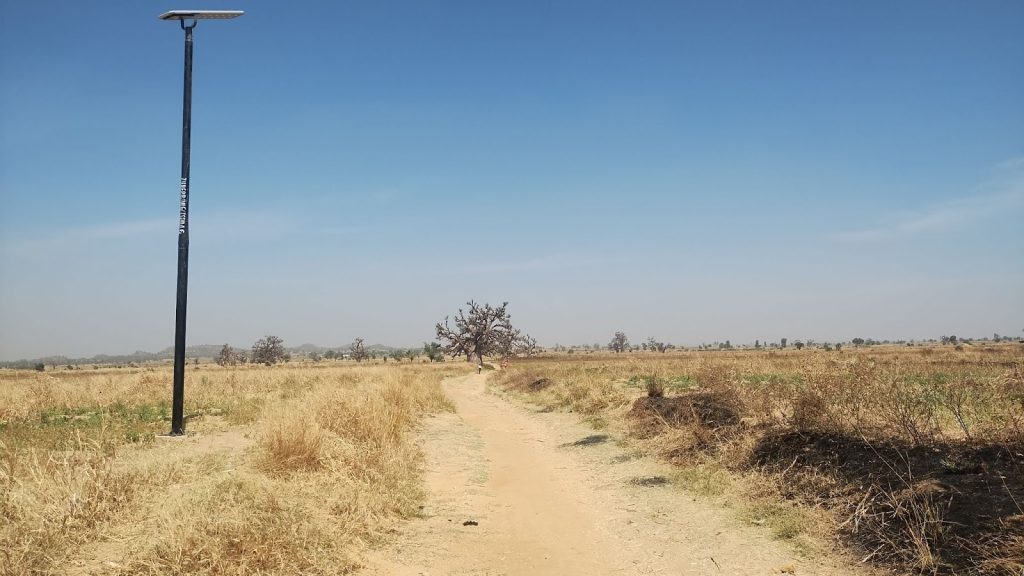
Abducted to treat terrorists
When they fall ill or are wounded by gunshots, terrorists are usually wary of visiting health facilities within the Tsafe area. The criminal gang came up with a plan to abduct a health worker to treat their injured fighters. Amiru was the prime target, being the most popular health worker in the axis.
After multiple attempts, a gang of five terrorists invaded Amiru’s house in November 2025. Among them, two were armed with guns that slung over their shoulders. They called out his name from outside the door, demanding that he come out peacefully; they threatened that if he refused, they would shoot him and his wife. Faced with the frightening threat, he reluctantly opened the door and stepped outside.
One of the invaders locked eyes with him and declared that their mission was a simple abduction: he would be taken to their camp for a few days before ultimately being released.
Amiru quickly realised the terrorists were possibly abducting him because they needed medical treatment for either their wounded members or sick ones, or both. “They chained, placed a gun at my wife’s head and smuggled me out at gunpoint,” he recalled.
He was overpowered and placed on a motorcycle, leaving his wife and relatives panicking. Later, one of the motorcycles, which carried three terrorists with guns, went far ahead of Amiru and his captors. Amiru sat tightly chained in the centre of the motorcycle, his heart racing as he assessed his precarious situation. In front of him, the motorcycle’s rider leaned forward, oblivious to the tension mounting behind them. At Amiru’s back, another terrorist gripped a gun against his spine.
Despite the daunting presence of his captor, Amiru’s resolve hardened. He realised he could shake the moving motorcycle free from their control. With iron chains cutting painfully into his skin, he felt the limited but crucial freedom offered by the loose straps across his lap. The rail track whizzed by, a blur of danger and opportunity. Amiru knew that if he could just muster his strength, he might fight back, even in chains, to reclaim his freedom and thwart the terrorists’ plans. The stakes were high, but so was his determination.
“We all fell down, the rider could not move an inch as he kissed the ground with the vehicle’s headlight cover marching his chest. The other terrorist ran away after I knocked his head with the chain and was bleeding helplessly,” Amiru said, describing how he escaped about two hours after he was abducted. “I returned home, and there was huge jubilation across the community, breaking the news of my narrow escape. My father insisted that my wife and I flee our village. The news of my abduction jittered many informants, and the terrorists will likely return again.”
Fearing reprisal attacks on his people, Amiru said he did not inform any local or state authority about the issue. In the past, those who reported such incidents later regretted it– the terrorists often imposed severe penalties on villagers after security operatives had withdrawn.
Struggling to rebuild life
Amiru fled his home, abandoned his work, and resettled in another town. His life transformed from that of a village health worker to that of a beggar. “As an IDP, my wife and I suffered from insufficient food, hardly getting three square meals a day. I left my father in the village, and he needs my help, but we are all helpless,” he complained.
The few residents who remained in the village were nearly subdued by the relentless attacks. Silence became their daily refuge in an unsettled peace. Whenever community protection guards or soldiers arrived to secure the area, terrorists would accuse the residents of inviting them. At one point, they no longer wanted to see government security forces visiting their communities, as these visits only brought unending humiliation and infringed upon their freedom of movement.
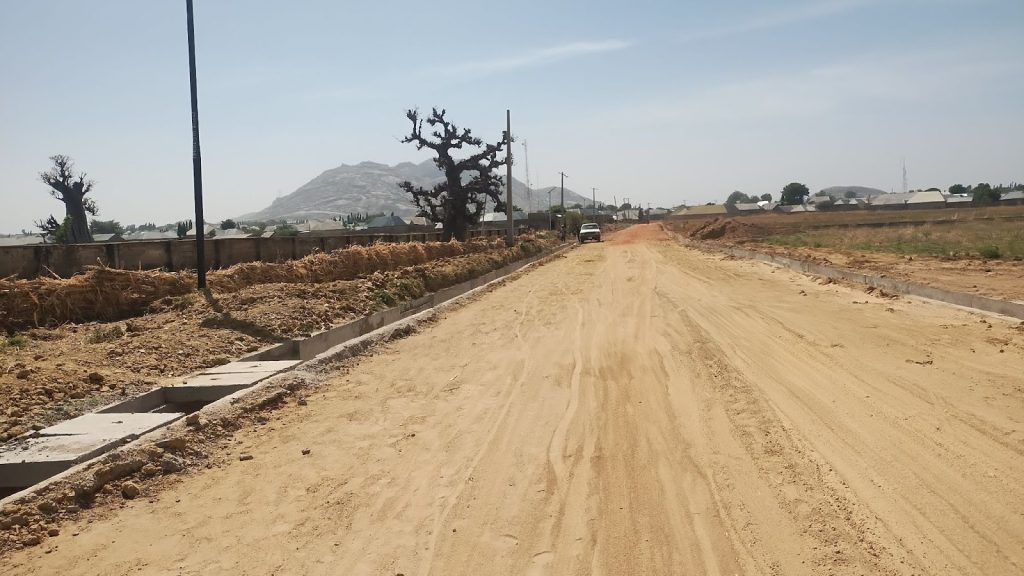
“I am declared wanted and hunted by the terrorists loyal to Ado Aleru’s faction, led by Hassan. He orchestrated an operation with his armed men – Dankaura, Ofisa, Aljan, and Dankabiru – that resulted in the death of 36 innocent farmers. I was not present during the attack, so I escaped and fled my home,” Amiru recounted.
“There came another group of targeted attackers to my home, led by the kingpins Dan-Najeriya and Na-Bello. They ransacked many houses searching for me, but they had no idea I was hiding inside the silos they passed by. It felt like hell that day. I still feel inexplicably nervous and shattered, with the sounds of gunfire echoing in my mind like thunder. Their desperation is such that they want me to go to their camp to treat their terrorists.”
Amiru vowed never to provide medical treatment to terrorists, insisting that he did not go to school to treat killers.
Amiru Bala, a revered health worker in Tsafe, Zamfara State, was captured by terrorists after 15 failed attempts. The region suffers from lawlessness, with communities like Bakin Manya facing frequent attacks, forcing many residents, including youth, into terrorism. Amiru, dedicated to affordable healthcare, was abducted for medical services for the terrorists, but he managed a dramatic escape. Despite his contributions, terror control in the area has displaced him, leaving him a refugee reliant on aid, as persistent threats by terrorist factions against him continue. Locals remain distrustful of authorities, whose failed interventions worsen their plight.
Support Our Journalism
There are millions of ordinary people affected by conflict in Africa whose stories are missing in the mainstream media. HumAngle is determined to tell those challenging and under-reported stories, hoping that the people impacted by these conflicts will find the safety and security they deserve.
To ensure that we continue to provide public service coverage, we have a small favour to ask you. We want you to be part of our journalistic endeavour by contributing a token to us.
Your donation will further promote a robust, free, and independent media.
Donate HereStay Closer To The Stories That Matter