Health Facilities Shut Down in DR Congo After Attacks by Rebels
Congolese officials revealed that the health centres recently closed include Mausa, Pombi, Mandelya, Musenge, and the Masoya referral health facility, which was shut down last week.
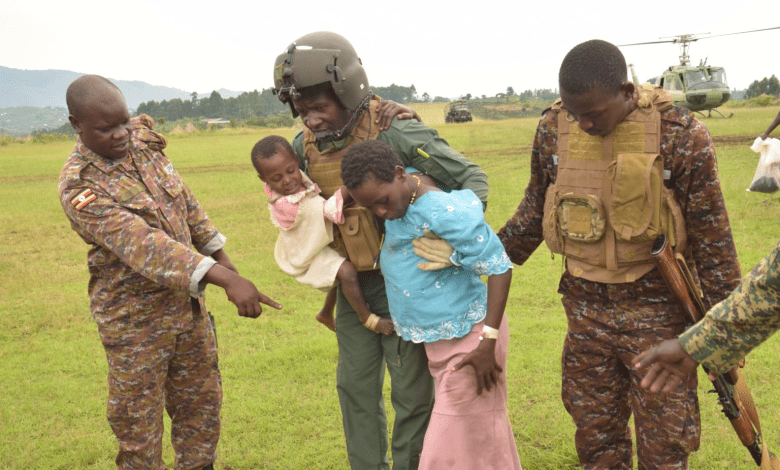
At least five health centres in the Lubero territory of the North Kivu region were shut down following persistent attacks and civilian killings by the Ugandan Allied Democratic Forces (ADF) rebels in the Democratic Republic of Congo (DRC).
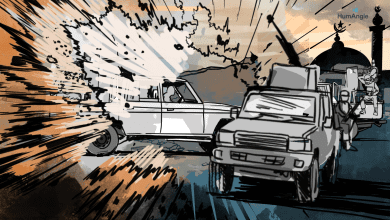
On the night of Jan. 21, the rebels killed five civilians, injured many others, and destroyed at least ten houses during an attack that took place in the Mavwe-Mavwe village.
Congolese officials revealed that the health centres recently shut down include Mausa, Pombi, Mandelya, Musenge, and the Masoya referral health facility, which was closed last week. The awful situation intensifies the dire humanitarian crisis in the region, which is heavily impacted by insecurity.
Some civil society organisations have expressed concerns over the authorities’ silence amid persistent insecurity, which has paralysed all socio-economic activities within the Baswagha chiefdom, leaving the people feeling completely abandoned.
“In view of the situation we are passing through, we think the nurses have very much helped the population. Already, members of armed groups and their wives receive medical treatment free of charge. The pressure on the Biambwe health centre has forced our nurses to close down our structure. That complicates the lives of the population, because all the health facilities have closed their doors in Mandelia, Pombi, Mausa, Masoya, and Musenge. They have locked themselves everywhere,” said Kambale Muthano, the leader of the Congolese New Civil Society.
Kambale noted that the civil society community has no issues with health agents. He said their main demand from the government is to guarantee the safety of the populations, including healthcare facilities, so that health professionals can work under suitable conditions.
Amid the ongoing crisis, however, health professionals have made an urgent appeal to military authorities to intervene and reactivate “Operation Shujaa”, a joint military effort between the Congolese army and the Uganda People’s Defence Forces (UPDF).
Since 2024, the Mwenye tribal group in the North Kivu region has been gripped by chronic instability marked by the massacre of civilians, massive displacement of populations, the closure of schools, and health facilities. A similar incident occurred in 2022 when eighteen healthcare facilities in Kamango were shut down due to repeated attacks by the Allied Democratic Forces (ADF) rebels, leaving civilians at risk.
At least five health centers in the Lubero territory of North Kivu, DRC, were shuttered due to attacks by the Ugandan Allied Democratic Forces (ADF), intensifying the region's humanitarian crisis. The closures followed a violent attack on January 21, resulting in five civilian deaths and many injuries. Local civil society organizations criticized the government's silence on the insecurity that has paralyzed socio-economic activities.
Kambale Muthano of the Congolese New Civil Society highlighted the community's dependence on health professionals who offer free medical care but are now forced to close due to safety concerns. An urgent plea was made for military intervention to ensure safety under "Operation Shujaa," a joint effort with the Ugandan forces. Since 2024, chronic instability, including prior incidents in 2022, has plagued the region, disrupting essential services.
Support Our Journalism
There are millions of ordinary people affected by conflict in Africa whose stories are missing in the mainstream media. HumAngle is determined to tell those challenging and under-reported stories, hoping that the people impacted by these conflicts will find the safety and security they deserve.
To ensure that we continue to provide public service coverage, we have a small favour to ask you. We want you to be part of our journalistic endeavour by contributing a token to us.
Your donation will further promote a robust, free, and independent media.
Donate HereStay Closer To The Stories That Matter