11-Year-Old Hangs Self in Maiduguri, Sparks Talks on Children’s Mental Health
An 11-year-old boy in Maiduguri, Nigeria, tragically died by suicide today after being scolded over undone laundry. Police are investigating the death, which follows the boy’s recent loss of his mother and highlights mental health problems among children.

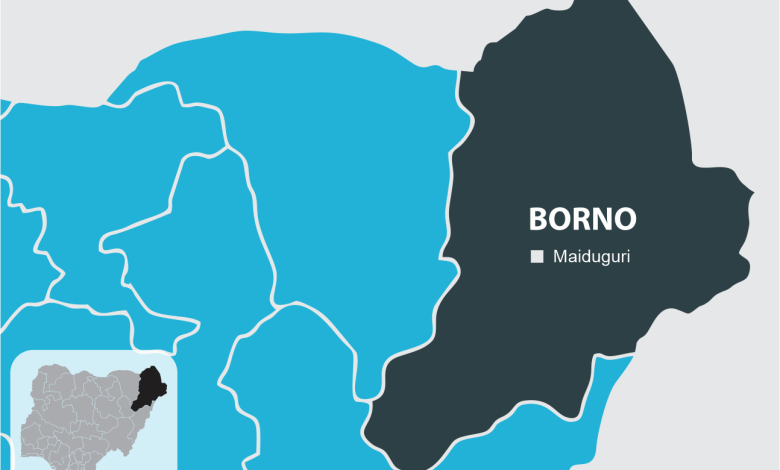
A tragic event shook a compound on Polo Road in Maiduguri, the Borno State capital in northeastern Nigeria, this weekend when 11-year-old Mahmud was found dead after reportedly taking his own life.
The incident has deeply saddened the local community and raised urgent questions about the unseen struggles young children face.
Mahmud was living with extended relatives because his mother passed away last year. His father, who works as a driver in Abuja, was away, meaning Mahmud was already dealing with the pain of loss and being separated from his immediate family.
The sad event, according to those familiar with the incident, happened right after a senior relative scolded Mahmud for not doing his laundry, a simple house chore. Moments later, younger children in the compound cried out, which drew the attention of neighbours.
Neighbours quickly rushed to the scene and found Mahmud hanging. They brought him down immediately and took him to a hospital, but tragically, he was confirmed dead.
Police Public Relations Officer, ASP Nahum Dasso-Kenneth, confirmed the incident to HumAngle, stating: “We received a report from one Muhammad Sheriff, who resides near Polo Road. At about 11:30 a.m., a boy named Mahmoud Adamu was found dead, apparently having hanged himself using an electric cable tied to a door.”
Police visited the scene, viewed the boy’s body, and subsequently took him to the State Specialists Hospital, where his death was confirmed.
”Though we are still investigating the circumstances that led to his death, the remains of the boy have been released to the family to be buried according to Islamic rites,” DSP Dasso added.
Sources familiar with the incident said Mahmud may have practicalised some of the uncensored movies kids are being exposed to these days.
“I helped bring down Mahmoud’s lifeless body,” said Usman Ali, a cap laundry attendant whose shop is adjacent to the deceased’s family home. “I found he was drenched in his own urine and faeces, which indicates he struggled in immense pain during the hanging before he died. This struggle suggests he was very much unsure of the dire consequences of the act before he committed it.”
”We must exercise extreme caution regarding the content our kids watch on TV and mobile phones, as some may venture into practising the misleading or dangerous behaviours they find online,” he said.
Ahmed Shehu, a civil society actor and chief executive of Peace Ambassador Centre for Humanitarian and Empowerment (PACHE), opined that “when children live through the violence and horror of war, their minds are deeply damaged, pushing them toward self-harm and even acts like suicide.”
He said children who witness constant fear, death, and loss deal with a crushed spirit, resulting in serious conditions like depression and PTSD.
“When this pain becomes too much to handle, they often look for ways to cope – even if those ways are harmful. Self-harm or thinking about suicide can sadly become their desperate escape from overwhelming emotional distress, or a way to feel like they have some control over their suffering.
“We have a fundamental duty to offer strong mental health help and support right now. We must help these young people heal the deep scars of trauma to prevent them from taking such tragic, self-destructive paths,” he said.
An 11-year-old boy, Mahmud, tragically took his life in Maiduguri, northeastern Nigeria, after being scolded by a relative for not completing a chore. Mahmud had been living with extended family following his mother's death, while his father worked away in Abuja, contributing to his emotional distress. Neighbors found him hanging in the family compound and rushed him to a hospital, but he was pronounced dead.
The incident highlights critical concerns about children's exposure to violence and inappropriate content, as well as the mental health issues stemming from experiences of loss and trauma. Experts emphasize the need for careful monitoring of what children consume in media and underline the importance of mental health support to help young people cope with emotional distress and prevent such tragedies.
Support Our Journalism
There are millions of ordinary people affected by conflict in Africa whose stories are missing in the mainstream media. HumAngle is determined to tell those challenging and under-reported stories, hoping that the people impacted by these conflicts will find the safety and security they deserve.
To ensure that we continue to provide public service coverage, we have a small favour to ask you. We want you to be part of our journalistic endeavour by contributing a token to us.
Your donation will further promote a robust, free, and independent media.
Donate HereStay Closer To The Stories That Matter