The Men Lining Up to Replace Al-Minuki
As ISWAP enters a pivotal leadership transition with the killing of Al-Minuki during a US-Nigeria operation, a new generation of commanders inherits a movement reshaped by foreign fighters, ruthless internal discipline, and a culture of secrecy designed to survive modern surveillance. HumAngle identifies Minuki’s likely successors.
Listen to this story

31 May 2026
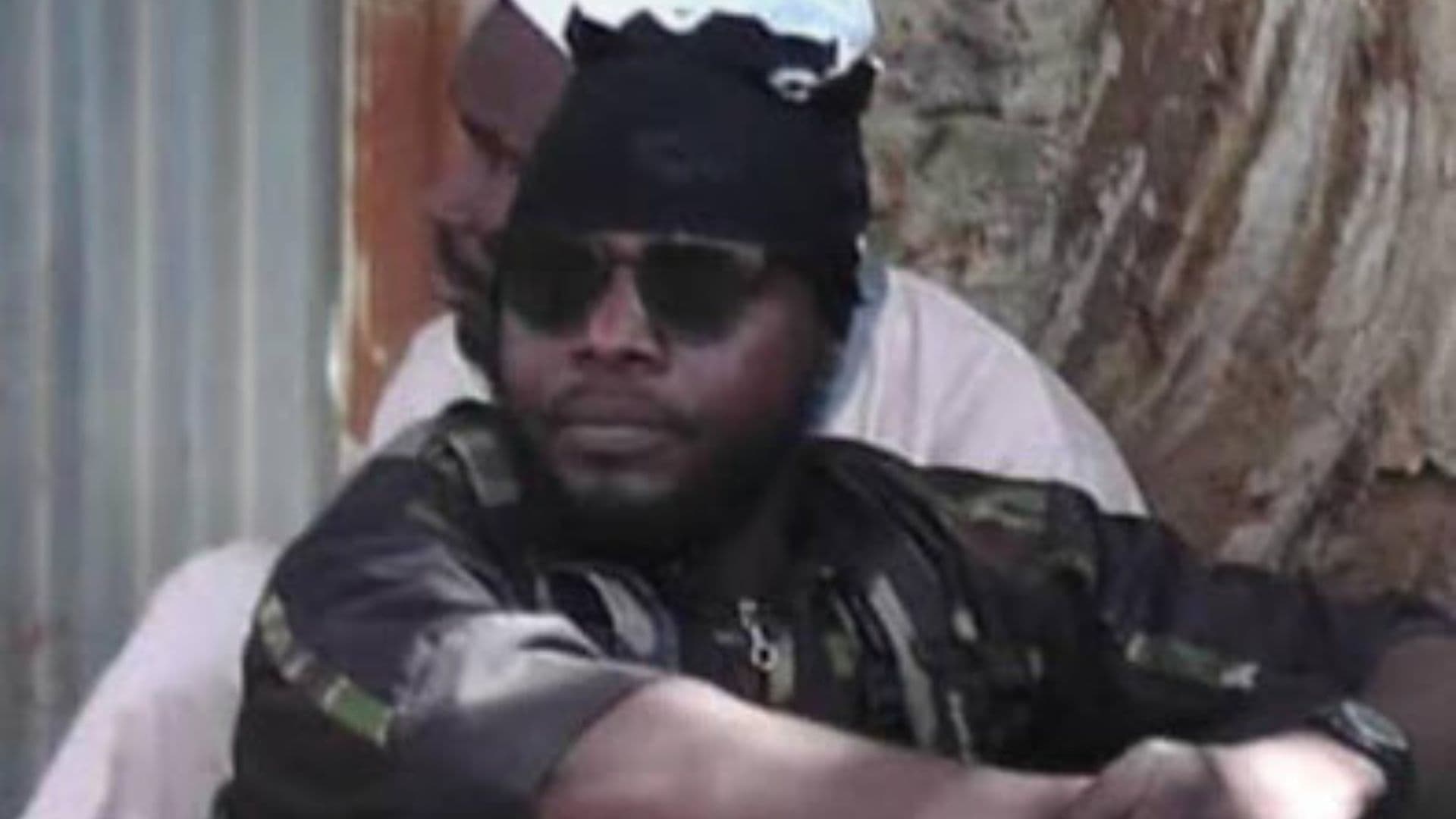
The death of Abakar Minuki, one of the most influential leaders of the Islamic State West Africa Province (ISWAP), in a joint United States and Nigerian military operation, marks one of the most consequential blows to the insurgent group in recent years. Yet, analysts and insiders familiar with the terror group warn that history offers little reason to assume the killing will significantly diminish the long-term threat posed by the group.
Multiple sources familiar with ISWAP’s internal structure told HumAngle that Minuki’s most likely successor was Baba Shuwa, commonly known as Ba Shuwa. However, indications emerging from the aftermath of the operation suggest he may also have been killed. If confirmed, the simultaneous removal of both men would trigger the most significant leadership transition in the organisation since its emergence from Boko Haram’s internal schism nearly a decade ago.
For the first time, leadership could pass not to the insurgency’s founding generation, but to a second generation of fighters raised entirely within the movement’s war ecosystem. Two names have emerged as the strongest contenders: Abu Salem and Bana Chingori.
“This would represent a generational shift unlike anything the movement has experienced before,” a source familiar with ISWAP’s internal dynamics told HumAngle.
From village barber to insurgent leader
Known variously as Abu Bakr ibn Muhammad ibn Ali al Mainoki, Abor Mainoki, Abubakar Mainoki, and Abakar Minuki, the slain commander was himself a product of the insurgency’s evolution.
Born in 1982 in the village of Mainok, a settlement along the Maiduguri-Benisheikh corridor in Borno State, he adopted his nom de guerre from his hometown. Long before becoming one of the most feared figures in the Lake Chad Basin insurgency, Minuki was known as a young barber operating a modest salon in the village.
Those who encountered him during the rise of Mohammed Yusuf’s movement recall a quiet young man who blended into daily life. That anonymity would eventually disappear. By the time Boko Haram transformed from a fringe religious movement into a powerful insurgent force, Minuki had become part of its military structure.
Abu Mus’ab, Abu Fatima, and other Boko Haram leaders had to secure Minuki’s approval before finalising their escape from Abubakar Shekau in the Sambisa forest to the islands of the Lake Chad Basin, shortly before ISWAP split from Boko Haram. Minuki not only provided refuge for members of the newly formed ISWAP fleeing Shekau’s crackdown, but also protected them and facilitated their settlement in his territory, where he ruled as one of Shekau’s most formidable Amirul Fiya.
He belonged to the first generation of fighters who entered the organisation before the 2009 uprising that transformed the movement forever.
The last men of Yusuf’s generation
To understand what Minuki represented, one must return to Boko Haram’s earliest years. According to sources familiar with the group’s formative history, Mohammed Yusuf’s original armed contingent consisted of fewer than 100 members. These men were responsible not only for security but also for recruitment.
As the organisation expanded, Yusuf reorganised fighters into military formations named after prominent figures from Islamic history. Among them were the Zubair Ibn Awwam Battalion, Umar Farouk Battalion, Salmanu Farisu Battalion, Khalid Ibn Walid Battalion, and Salaudeen Ayubi Battalion.
Several battalions survived years of expansion, state crackdowns, factional disputes, and battlefield losses. Over time, however, only two retained their original lineage and remain operational: the Timbuktu formation, associated with Faruk, and the Buhairiya structure, which absorbed the remnants of several earlier battalions.
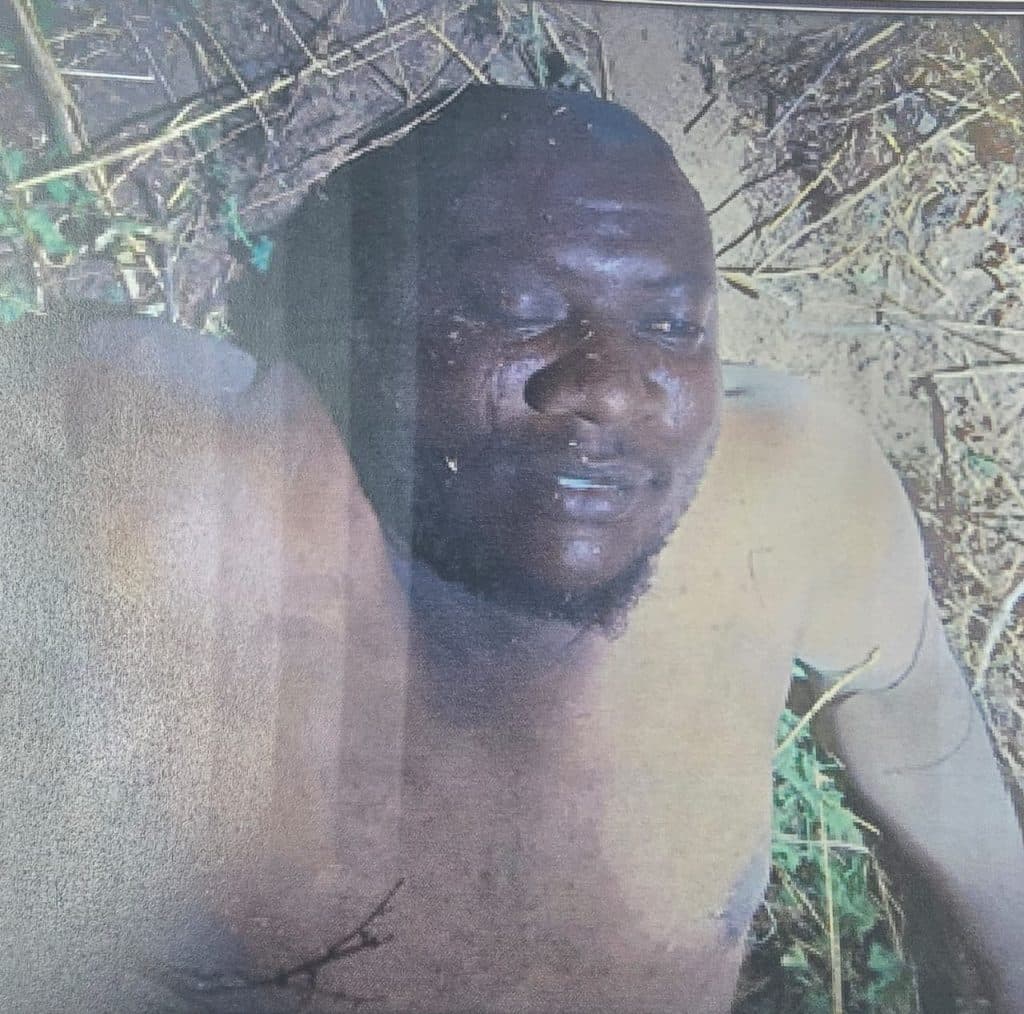
Minuki was already a Naqeeb , a junior commander, during the pre-2009 period. Ba Shuwa, by contrast, was merely a foot soldier. While Abu Salem, who is now touted as the likely successor of ISWAP, was still a child. That generational distinction highlights that few survivors remain from the movement’s founding era.
The rise of the second generation
If Minuki and Ba Shuwa are both dead, the succession process could elevate men who never knew the insurgency before it became a regional war. Among them, Abu Salem stands out. Sources describe him as both a military commander and a religious authority within the insurgency. He currently serves as Amirul Fiya , based in Krinua, a battlefield commander with influence extending beyond purely military affairs.
His biography mirrors the insurgency’s own evolution. The son of a respected first-generation Boko Haram member, Abu Salem benefited from mentorship by senior leaders from an early age. His pedigree gave him access to influential networks that many younger fighters lacked.
He also carries the scars of combat. During one battle with members of Nigeria’s armed forces, he sustained serious gunshot wounds to the lower abdomen. The injuries required long-term medical management involving a Foley catheter. According to sources familiar with his condition, he continued participating in military operations despite the injury for years.
Within ISWAP, Abu Salem has cultivated a reputation for bravery, clerical authority, and charisma. Several sources compared his influence to that once exercised by Abu Musab al-Barnawi and Minuki himself.
Another contender is Bana Chingori, regarded as Ba Shuwa’s closest deputy. Unlike Abu Salem, however, Bana faces a structural challenge: He does not originate from the Faruk battalion network, which sources estimate supplies approximately 70 per cent of ISWAP’s current fighters and leadership, including Minuki.
In an organisation where battlefield alliances and battalion loyalties remain deeply influential, that may prove decisive.
The ethnic question behind ISWAP leadership
Leadership succession inside ISWAP is not determined solely by military competence. HumAngle understands that ethnicity, lineage, dialect, and social hierarchy continue to shape power within the organisation.
Public portrayals often reduce Boko Haram and ISWAP to ideological movements driven exclusively by extremist interpretations of Islam. The reality is considerably more complex. The overwhelming majority of ISWAP’s estimated fighting force originates from the Kanuri ethnic nationality, which has historically been dominant across the Lake Chad Basin. Yet, the Kanuris are far from homogeneous.
They are divided into numerous dialect communities, clan networks, and social categories that carry significant political weight, all of which the insurgents take very seriously. These divisions influence recruitment, promotions, alliances, and leadership legitimacy.
Mohammed Yusuf, for example, belonged to the Manga dialect group, one of the most prestigious Kanuri communities. His lineage strengthened his standing within the movement’s formative years. Abubakar Shekau came from the Kaama-speaking Ngala’a community, often viewed as socially marginal within traditional Kanuri hierarchies.
Several researchers and former members argue that Shekau’s relationship with the broader movement was shaped partly by this outsider status. Minuki himself emerged from Borno Central, where multiple Kanuri dialect groups intersect. Ba Shuwa’s ancestry has also been the subject of internal scrutiny.
Sources say rivals occasionally questioned the purity of his Kanuri lineage, reflecting how deeply social stratification continues to influence perceptions of authority within insurgency networks in the Lake Chad basin.
For this reason, sources told HumAngle, the emergence of a non-Kanuri leader remains highly unlikely. Even if such a figure were elevated, sustaining authority would be extraordinarily difficult. “The movement talks about Islam and the caliphate,” one source familiar with internal deliberations said, “But when leadership questions arise, ethnicity still matters.”
The foreign fighters effect
The leadership transition unfolding inside ISWAP is taking place within an organisation that has undergone profound internal transformation in recent years. Sources familiar with the group’s operations told HumAngle that the growing presence of foreign fighters from across the Sahel and beyond has reshaped not only the movement’s military tactics but also its internal security culture.
As foreign fighters increasingly settled in the Lake Chad region, ISWAP imposed some of its strictest operational security measures to date. Members were ordered to delete existing photographs and cease documenting activities through images. The use of smartphones was largely prohibited, reflecting mounting concerns about surveillance, geolocation tracking, and intelligence penetration.
The restrictions marked a sharp departure from earlier years when both Boko Haram and ISWAP routinely photographed preaching sessions, training exercises, weapon displays, and daily life in territories under their control. Such imagery formed a central component of the group’s propaganda and recruitment machinery.
According to sources, the new rules were enforced ruthlessly. Several fighters accused of taking photographs or retaining images on their devices were reportedly executed. The killings served as both punishment and deterrence, reinforcing a culture of secrecy that now permeates much of the organisation.
“The message was simple,” one source familiar with the group’s internal directives said. “Any digital trace that could expose fighters, commanders, or locations became a security threat.” The arrival of experienced foreign fighters appears to have accelerated this shift. Many brought with them lessons learned from conflicts across the Sahel, where drone surveillance, signals intelligence, and electronic tracking have increasingly shaped the battlefield.
The influence of foreign fighters introduced a greater emphasis on counter-intelligence, operational discipline, compartmentalisation, and the elimination of digital footprints that could expose personnel, camps, supply routes, or command structures. The result is an insurgent organisation that has become considerably more cautious than its predecessors. While leadership losses continue to disrupt, ISWAP’s evolving security architecture suggests a movement increasingly focused on institutional survival rather than on dependence on individual commanders.
Fractured, not defeated
The killing of Minuki undoubtedly represents a serious disruption, and the elimination of Ba Shuwa, if confirmed, would considerably deepen that disruption. Yet, military and intelligence officials caution against interpreting the development as a strategic defeat for ISWAP.
“The organisation has experienced similar moments before with the deaths of Mohammed Yusuf, Mamman Nur, Abu Musab al Barnawi, Ba Idrissa, and several other senior commanders, each of which generated predictions of organisational collapse,” said Kyari Mustafa, a conflict researcher in Maiduguri.
Those predictions never materialised. Instead, the group adapted. The pattern has become familiar across the Lake Chad Basin.
HumAngle has documented a pattern where successful military campaigns weaken the insurgency. Communities experience a period of relative calm. The group regroups, reassesses, and eventually resumes attacks. This cycle has repeated itself for more than 15 years. What makes the current moment significant is the possibility that an entire generation of commanders may be disappearing simultaneously. If Minuki and Ba Shuwa are indeed gone, the future of ISWAP may soon be shaped by men who were toddlers when Mohammed Yusuf built the movement.
Whether that transition produces fragmentation, renewal, or further violence remains uncertain. What is clear is that the Lake Chad Basin has witnessed enough leadership decapitations to know that the death of a commander, however important, does not automatically mean the end of the war.
Support Our Journalism
There are millions of ordinary people affected by conflict in Africa whose stories are missing in the mainstream media. HumAngle is determined to tell those challenging and under-reported stories, hoping that the people impacted by these conflicts will find the safety and security they deserve.
To ensure that we continue to provide public service coverage, we have a small favour to ask you. We want you to be part of our journalistic endeavour by contributing a token to us.
Your donation will further promote a robust, free, and independent media.
Comments
1 comment
Mai Umar
31 May 2026, 17:41
The very apex of security journalism
Sign in to join the discussion.
Of course, we want our exclusive stories to reach as many people as possible and would appreciate it if you republish them. We only ask that you properly attribute to HumAngle, generally including the author's name, a link to the publication and a line of acknowledgement.