The Escalating Attacks on Mining Sites in Plateau Communities
For many artisanal miners in Plateau State, Nigeria, the search for a livelihood now comes with the constant risk of armed attack, as violence spreads across the state’s mineral-rich communities.
Listen to this story

5 Aug 2026
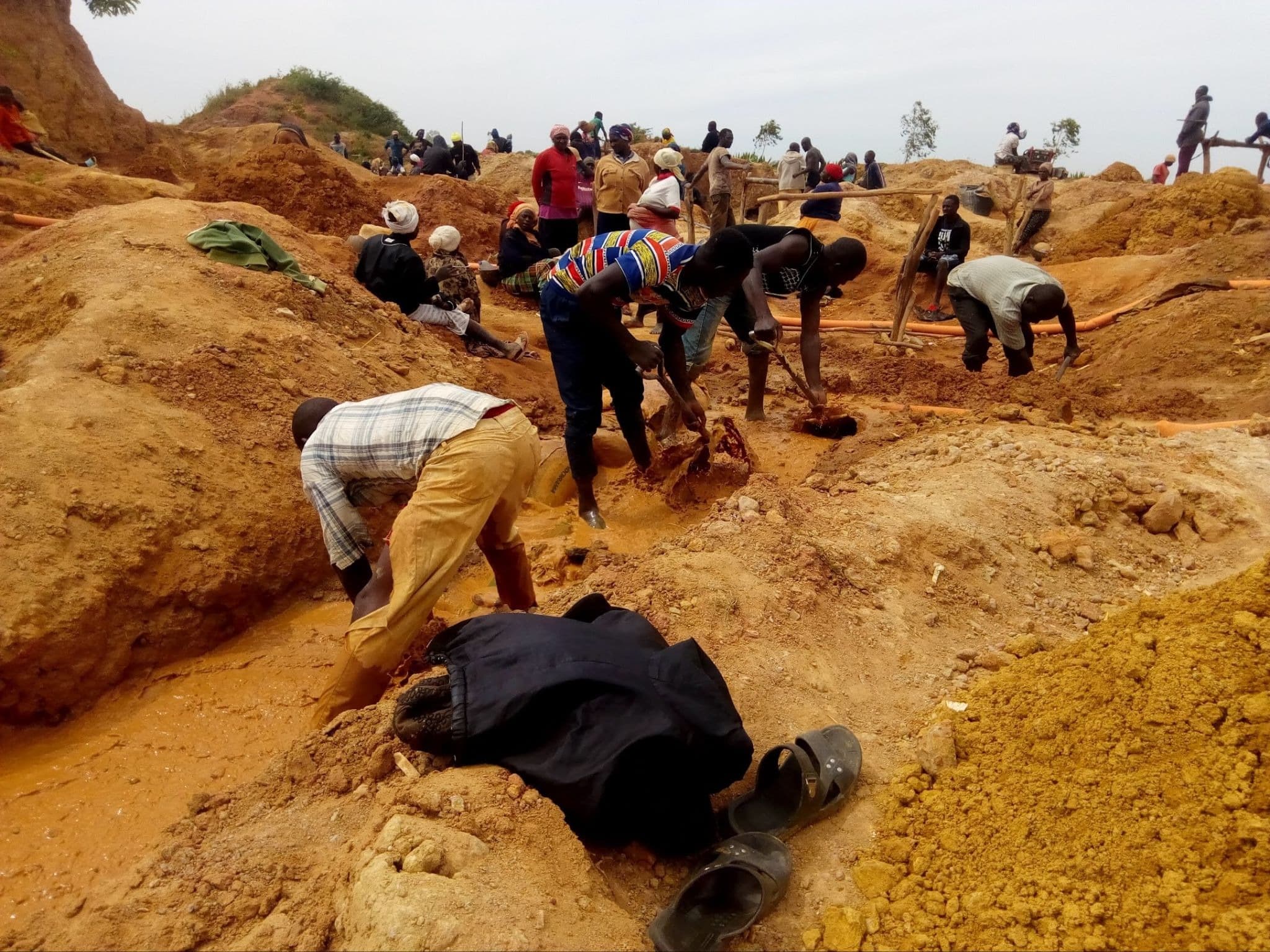
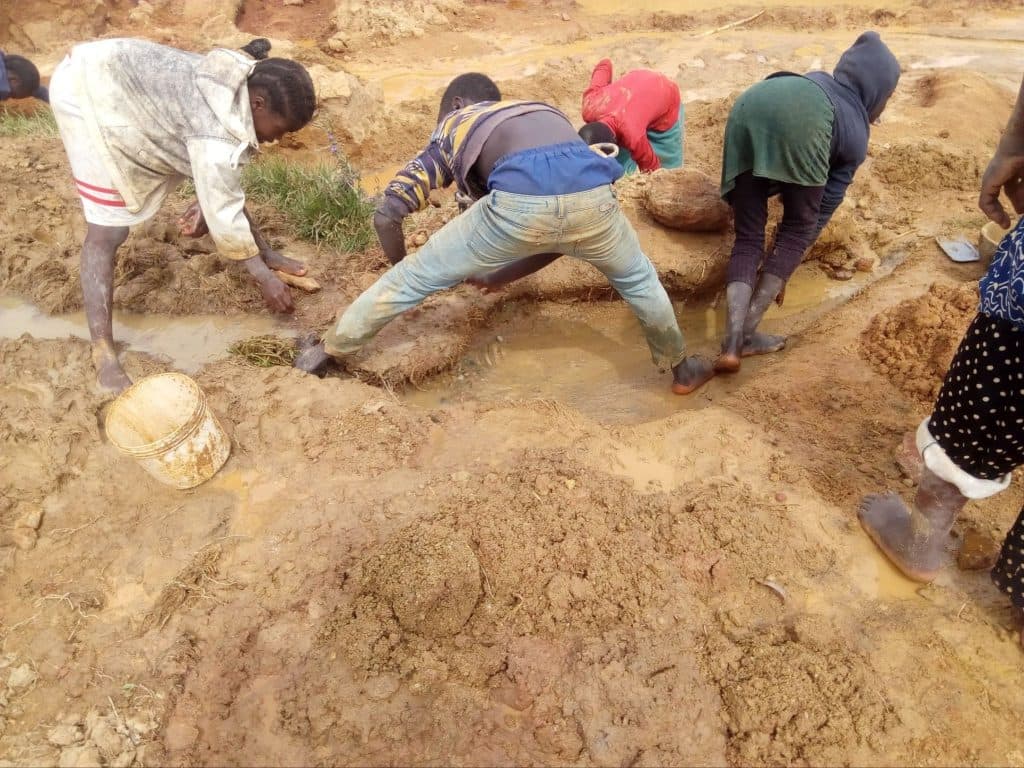
A normal morning on a mining site almost turned deadly for Tim Suba* and several of his colleagues. Some men were herding cattle towards the site in a community in Gyel District, Jos South Local Government Area, in Plateau State, North Central Nigeria, when the artisanal miners tried to chase them away.
“We often chase them away when they come towards the pits, and they always leave,” he said. But that afternoon, one of them pulled out a rifle and started shouting. Everyone fled, except for those still inside the pit; no one was killed, and the attackers eventually left. “There was no guza outside,” he said, using the local term for raw, unprocessed ore, “so they didn’t carry anything.”
It was in May, but Tim could not remember the exact date.
Barely a month later, armed attackers came late in the morning at a mining site in Nyango, another community in the same district. By the time the shooting stopped, three men lay dead in the brown soil, and two more were left injured. It was Tuesday, June 30, and by HumAngle’s count, the sixth of such attacks on a mining site in Plateau State in 2026 alone.
Tim Suba* is not sure, at first, if he wants to talk about it. He is one of many miners who declined to speak for this report, wary of how far it would go. But he eventually agrees, on condition that a different name be used and his face kept out of it.
The attack he escaped, in his telling, was a near miss. “Sometimes, attackers target evenings, when the work is done,” he said. “That is when the guza is out of the ground, and the men are tired.”
Although he was not around when the attackers came to Nyango, he said, “some of my friends were there”, and they told him that other miners in nearby sites fled once they started to hear gunshots. Tim has worked on several mining sites in Jos South, and he said these attacks happen often. “It is underreported,” he told HumAngle.
A review of media reports identified at least 13 attacks on mining sites across Plateau State between 2021 and 2026, together linked to a combined death toll estimated at at least 70. The pattern is not evenly spread. Only three attacks were reported in mainstream media between 2021 and 2023. Since 2024, the pace has roughly tripled, with ten attacks in two and a half years, six of them between January and July of 2026 alone. Jos South Local Government Area, where Tim works, has absorbed the largest share, with Kuru struck twice, in 2021 and again in January 2026, alongside separate attacks in Farin-Lamba, Gero, and Nyango. Barkin Ladi, a neighbouring local government, has emerged as the other hotspot, with a December 2025 raid that killed 12 people and led to the abduction of three more, and another attack in May 2026. Bassa LGA has also recorded similar attacks.
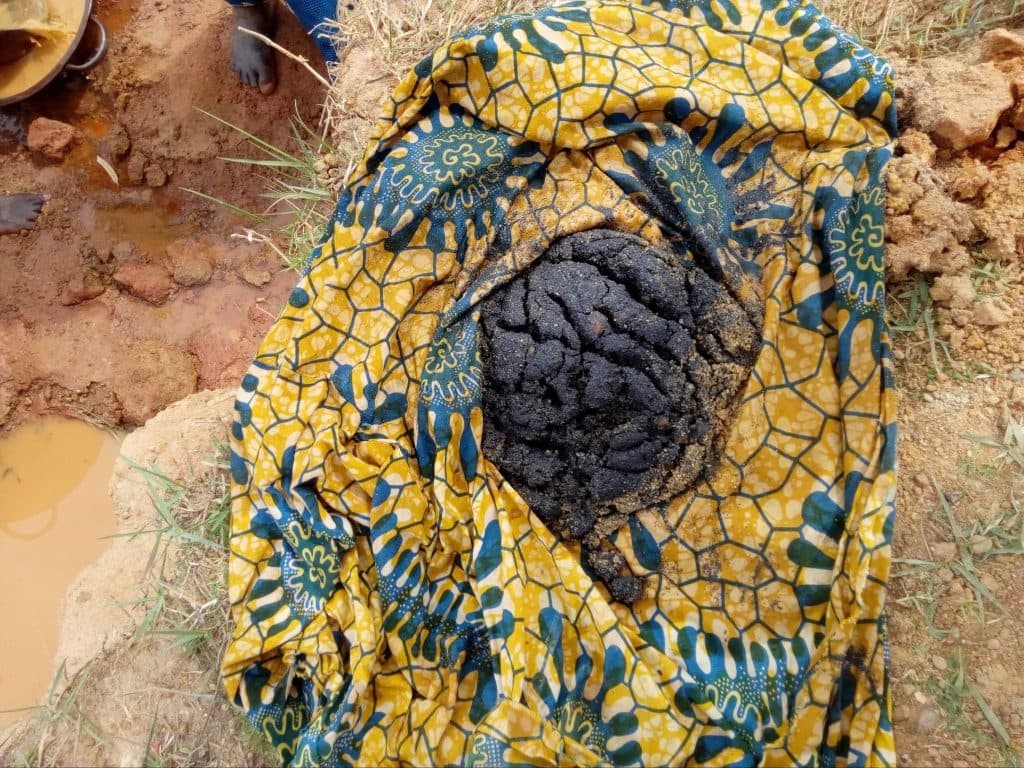
Mining in Plateau State centres on rich reserves of tin, columbite, and gemstones, historically driven by commercial operators and currently sustained, in large part, by artisanal miners working with little equipment and even less protection.
Plateau State has historically been one of Nigeria’s most important mineral-producing areas, particularly for tin and columbite. The state’s mining history dates back more than a century, with commercial extraction beginning during the colonial period. Today, however, much of Nigeria’s solid minerals production is driven by artisanal and small-scale miners, many of whom operate informally outside government licensing and monitoring systems. The Nigeria Extractive Industries Transparency Initiative (NEITI) has repeatedly identified weak regulation, incomplete production records, and limited formalisation of artisanal mining as major challenges affecting Nigeria’s minerals sector.
According to NEITI’s Solid Minerals Industry Audit reports, artisanal and small-scale mining remains central to Nigeria’s mineral economy but is difficult to quantify because many operators are not captured in official records. This lack of visibility creates opportunities for illegal extraction, revenue losses, unsafe working conditions, and environmental damage.
The Plateau State government has implemented strict clampdowns, including mining suspensions and the creation of reform committees, to counter rising security risks, environmental hazards, and illegal operations. These measures have not stopped the attacks; if anything, the acceleration recorded since 2024 has outpaced them.
“Many families displaced by terrorist and criminal violence in Plateau State are left with limited options and engage in mining in neighbouring communities to make a living,” said Ndubuisi Christian Ani, Senior Researcher at the Institute for Security Studies.
However, not every artisanal miner in the state is displaced. Tim, for instance, is not. “I have my job, but once in a while, I go and work on the sites for extra income. But I know people whose only job is that.” The money at stake helps explain why men keep returning to sites they know are unsafe. Tim said an ordinary digger can earn about ₦10,000 on a good day, “but the main players, the ones who take it from us and move it on, can make up to ₦100,000,” he added.
Who are the attackers?
No arrests have been made in connection with any of the attacks documented in this report, making it difficult to establish who is responsible or what their motives are. Alfred Alabo, spokesperson for the Plateau State Police Command, did not respond to HumAngle’s requests for comment.
The absence of arrests or successful prosecutions has left responsibility for many attacks contested. Nigeria’s security agencies have repeatedly acknowledged the difficulty of identifying perpetrators in rural attacks because armed groups often operate across remote terrain, use mobility tactics, and exploit longstanding communal tensions. However, without arrests, prosecutions, or publicly released investigations, claims about the identity and motives of attackers remain difficult to independently verify.
Even so, many residents and miners believe the attackers are linked to the same armed groups responsible for repeated attacks on communities across Bassa, Barkin Ladi, Bokkos, Jos South, and Riyom LGAs. “These attackers sometimes disguise themselves as herders,” Matt Chuwang*, another miner, said. “They may not have understood the value of these mining sites before, but it seems people from their communities who have worked in mining have told them, and now they want to take control of the land.”
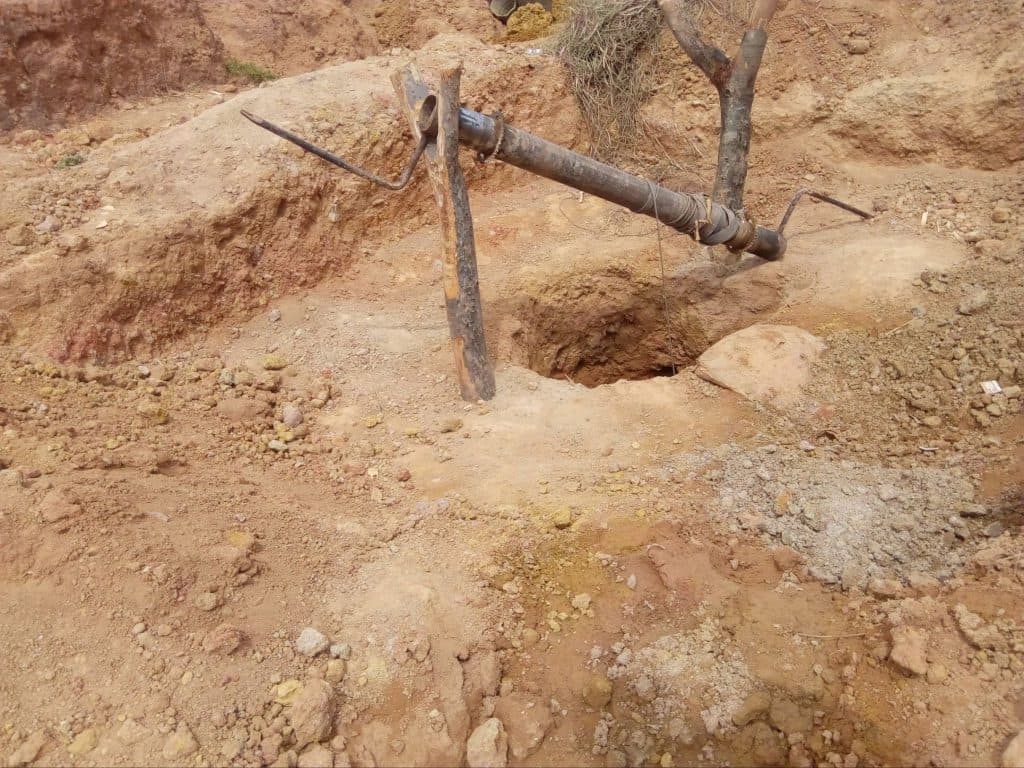
Similar claims have been made by several government officials and development practitioners working in Plateau State. Musa Ashoms, the state’s Commissioner for Youth and Sports, previously said that “the assailants kill people, drive them away, and take over the land.” Similarly, Nandi Helen Dale, an Information, Counselling, and Legal Assistance (ICLA) Officer with the Norwegian Refugee Council (NRC) in Jos, who works with communities to secure land documentation, also believes land lies at the centre of the crisis. “At the centre of the conflict in Plateau State is the issue of land,” she said.
Dachung Bagos, a former federal lawmaker for Jos South/Jos East Federal Constituency in the House of Representatives, was even more direct. “All terror-affected local governments in Plateau State have high deposits of mineral resources,” he said. “After attacks, when people are displaced, you will find that the communities have new, unfamiliar occupants, and economic activities such as mining begin to take place.” HumAngle was unable to access some of the more than 64 communities that the Plateau State government says have been displaced and occupied because of continuing insecurity.
While the pattern is still evolving, it echoes incidents in Zamfara State, where HumAngle has reported how armed groups gradually shifted from raiding mining communities to controlling mining sites, taxing miners, compelling villagers to work, and using proceeds from mineral extraction to sustain their operations. In Plateau, there is not yet comparable evidence that armed groups have entrenched themselves within the mining economy. However, the growing frequency of attacks on mining sites has raised concerns among residents and security observers that the state’s mineral-rich communities could be entering a similarly dangerous phase if the violence remains unchecked.
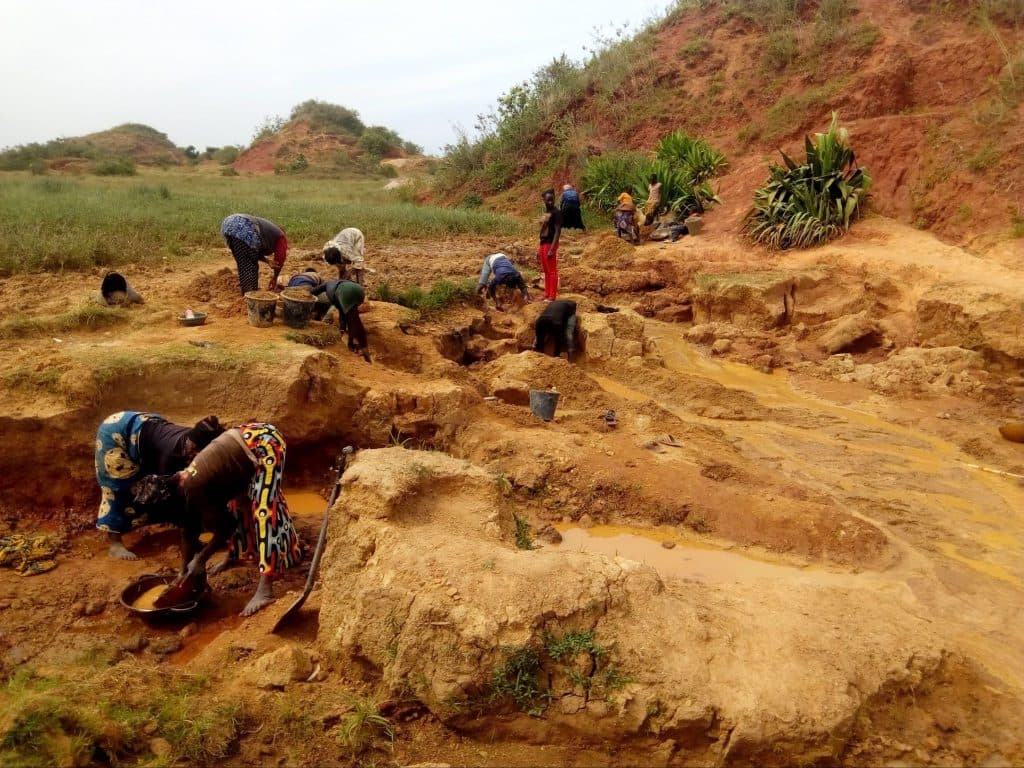
“Some villages have been occupied since the early 2000s, and the villagers have not been able to return,” Dachung added. “But economic activities are ongoing.”
Indigenous community leaders often claim the attackers are herders or members of the Fulani ethnic group. The Miyetti Allah Cattle Breeders Association of Nigeria (MACBAN), however, has consistently rejected those allegations. There has also not been any evidence. “These allegations are unsubstantiated, misleading, and unsupported by verifiable facts,” said Ibrahim Babayo, Chairperson of MACBAN in Plateau State.
Gafdan Media, a digital platform affiliated with MACBAN, also reported that “three innocent herders” were killed by what it described as a “[local] militia” in Nyango on June 30, the same day and location as the attack described at the beginning of this report.
However, Rwang Tengwong, spokesperson for the Berom Youth Moulders Association (BYM), rejected suggestions that members of the association carried out attacks. “We do not have a militia,” he said. “When young people within our communities turn to crime, we are the ones that apprehend and hand them to authorities.” Rwang gave an instance with a recent attack on the National Institute for Policy and Strategic Studies, Kuru, in Jos South, where he said BYM worked with authorities to arrest suspects.
When asked whether the violence could stem from disputes among miners themselves, Matthew dismissed the claim. “Haba! It won’t get to that,” he said. “Yes, sometimes even your own people envy your luck at work, but we all work together. The people who attack us are not from our communities.” He warned that reducing the attacks to communal tensions risks obscuring what is actually happening. “People reduce everything here to a farmer-herder clash,” he said. “Now the attacks are happening at mining sites too. What do we call them?”
“The security authorities need to identify those responsible and establish their motives,” a resident of Jos South, who requested anonymity, told HumAngle. “Until that happens, the cycle of accusation and denial will not solve the problem.”
Where are the authorities?
The authorities are not unaware of this escalating violence. In February 2025, Plateau State Governor Caleb Mutfwang signed Executive Order 001 of 2025, suspending all mining activities across the state. “It is my duty to ensure the safety of our people. Given the rising security concerns associated with illegal mining, we must take decisive action. All mining operations are hereby suspended until further notice. This measure is aimed at restoring order and ensuring that Plateau’s resources are harnessed for the benefit of its people,” he said. The Order also created a Technical Committee on Mining Reform.
As of May 2025, mining operation permits were assigned to only 159 operators – including six Mining Licences, 15 Small Scale Mining Leases, 15 Exploration Licences, five Artisanal and Small-Scale Mining Permits, one Quarry Lease, and 118 Sheds/Buying Centres.
According to the National Assembly Library Trust Fund, illegal mining costs Nigeria an estimated $9 billion annually through undeclared mineral production, smuggling, and lost tax revenues. “Illegal mining in Plateau State is a lucrative organised activity involving both local and foreign miners, middlemen, elites and export brokers,” said Ndubuisi.
In March 2025, barely a month after the executive ban, the Economic and Financial Crimes Commission (EFCC) arrested 31 individuals suspected of engaging in illegal mining activities in Jos. The suspects included four Chinese nationals and 27 Nigerians. The EFCC also seized a truck loaded with eight bags of processed monazite, weighing approximately 1,000kg. Each bag was valued at ₦4 million at the time.
However, the ban has not been effective, as all the artisanal miners HumAngle spoke with for these stories are not working on government-regulated mines. In March 2026, Samuel Jaryum, Director of Exploration and Gemological Services of the state’s Ministry of Environment, Climate Change, and Mineral Development, said, “the ministry remains worried about the rising number of deaths linked to illegal mining operations.” His comments were focused on the issue of environmental degradation and child labour, and did not include the incessant attacks by armed groups.
“As the government considers potential remedies for illegal mining in the state, it must involve communities in the design, implementation, and monitoring processes,” Ndubuisi added.
*The names of the miners have been altered to protect their identities.
Support Our Journalism
There are millions of ordinary people affected by conflict in Africa whose stories are missing in the mainstream media. HumAngle is determined to tell those challenging and under-reported stories, hoping that the people impacted by these conflicts will find the safety and security they deserve.
To ensure that we continue to provide public service coverage, we have a small favour to ask you. We want you to be part of our journalistic endeavour by contributing a token to us.
Your donation will further promote a robust, free, and independent media.
Comments
0 comments
No comments yet.
Sign in to join the discussion.
Of course, we want our exclusive stories to reach as many people as possible and would appreciate it if you republish them. We only ask that you properly attribute to HumAngle, generally including the author's name, a link to the publication and a line of acknowledgement.