Photo Essay: World Day Against Child Labour
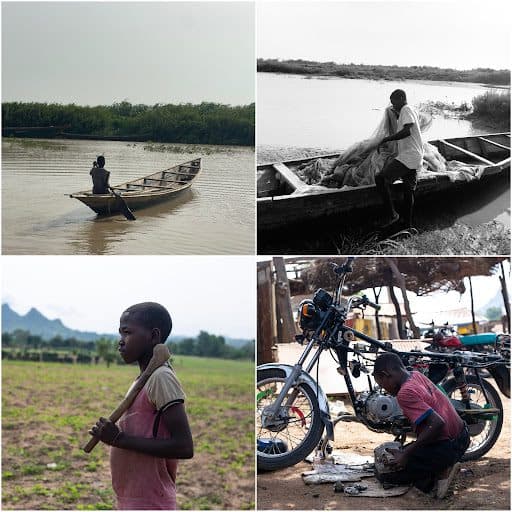
As the world marks Global Day Against Child Labour, HumAngle compiled this photo esssy to highlight the experiences of children who are actively engaged in hard labour in some parts of northeastern Nigeria.
Listen to this story

12 Jun 2026
With this year’s theme as ‘Red card to child labour: Fair play for children, decent work for adults’, thecampaign for World Day Against Child Labour advocates for stronger action on quality education, social protection, decent work, stronger laws and enforcement across the world, as well as other measures that address the root causes of child labour.
Asurvey in 2022 by the National Bureau of Statistics in collaboration with the International Labour Organisation and the Federal Ministry of Labour and Employment of Nigeria revealed that about 24.67 million children in Nigeria, who represent 39.2 per cent of the country’s youth, aged 5 to 17, are engaged in child labour. About 22.9 per cent of the children are engaged in hazardous work.
TheChild Rights Act of 2023, a legislation that protects children and young adults in Nigeria, frowns at the involvement of children in any form of labour that is harmful to their development. While the minimum age for employment is 15, the Act states that the work must not interfere with the children’s education.
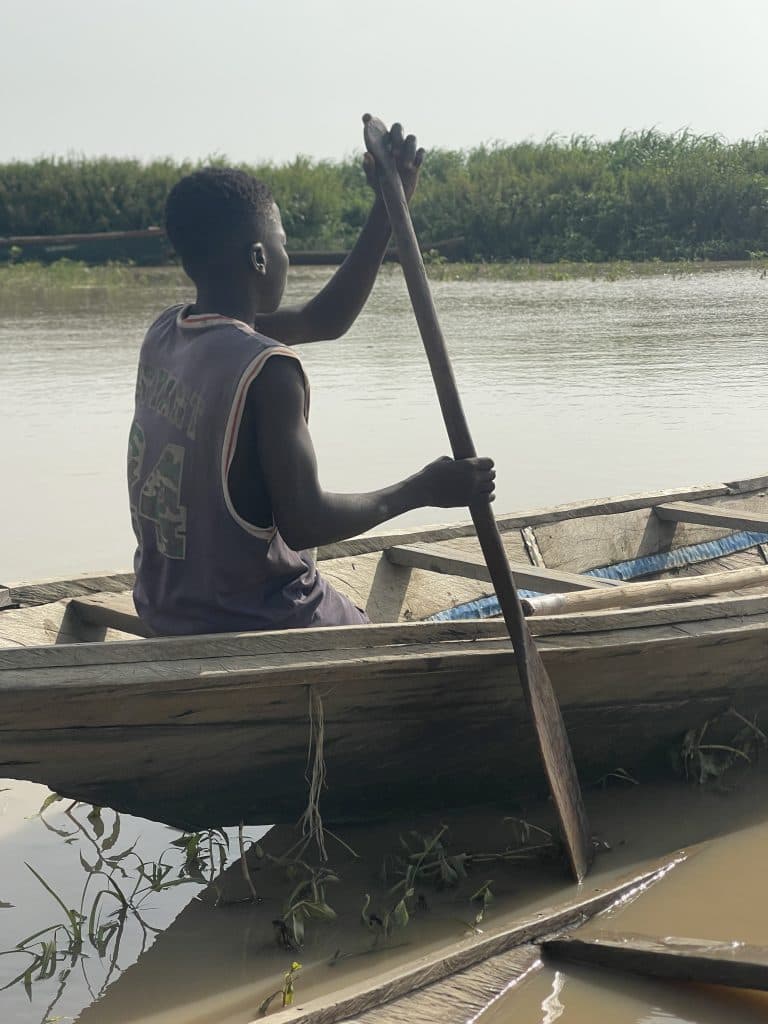

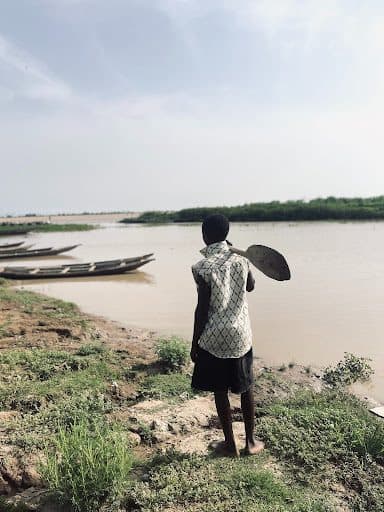
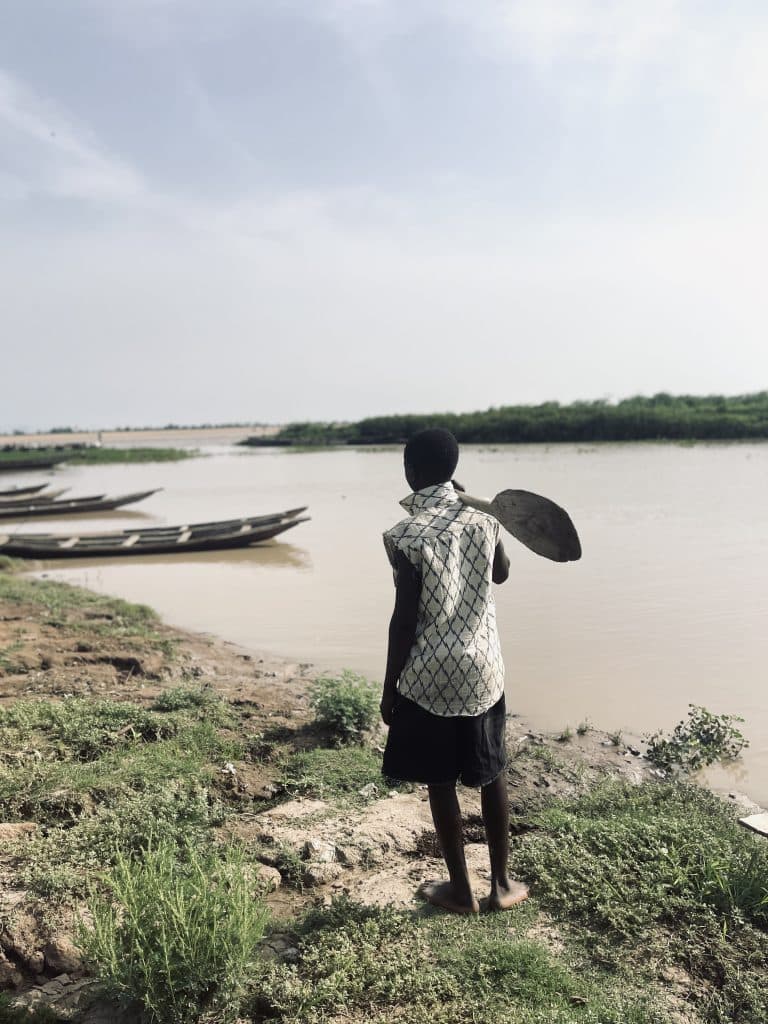
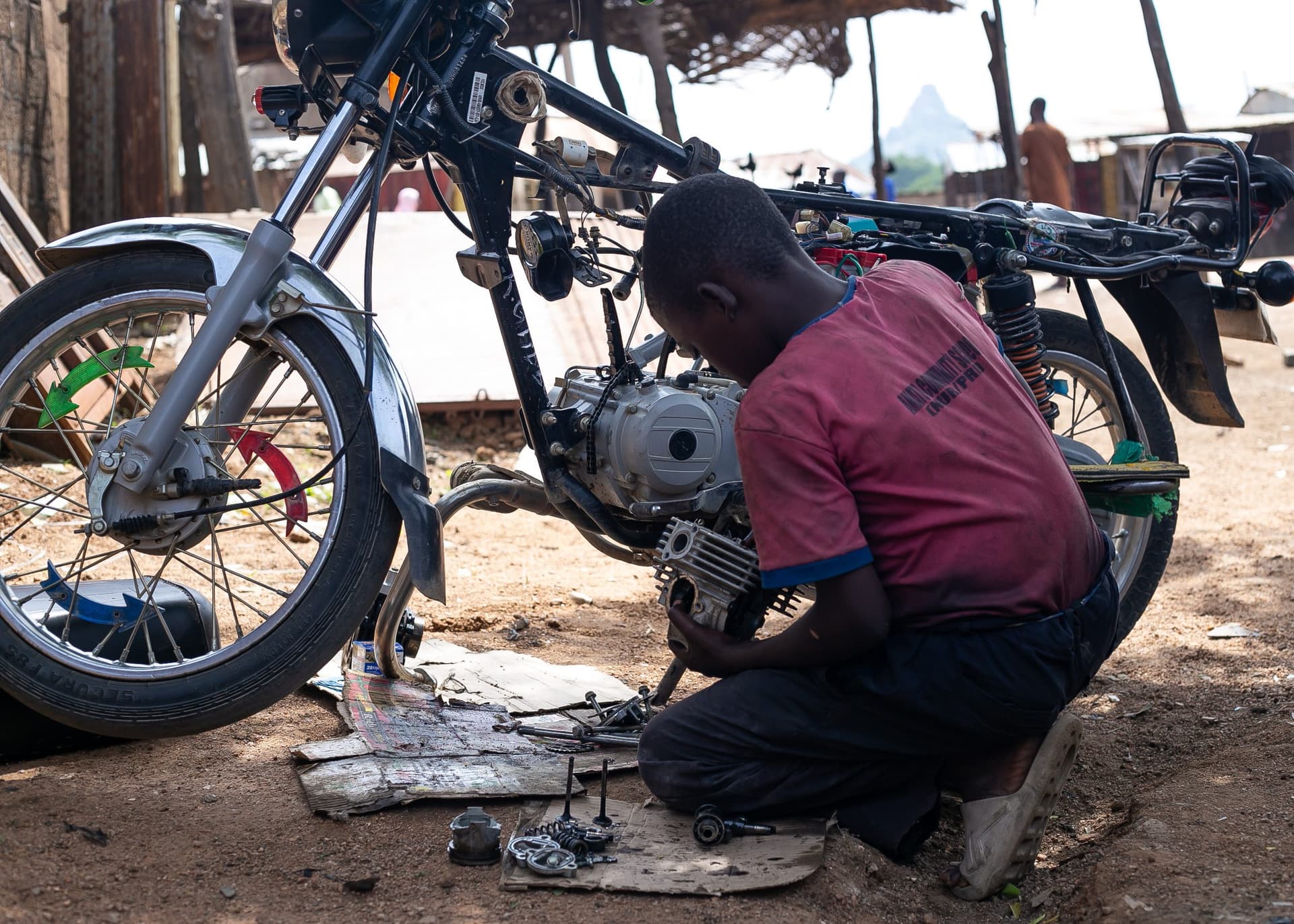
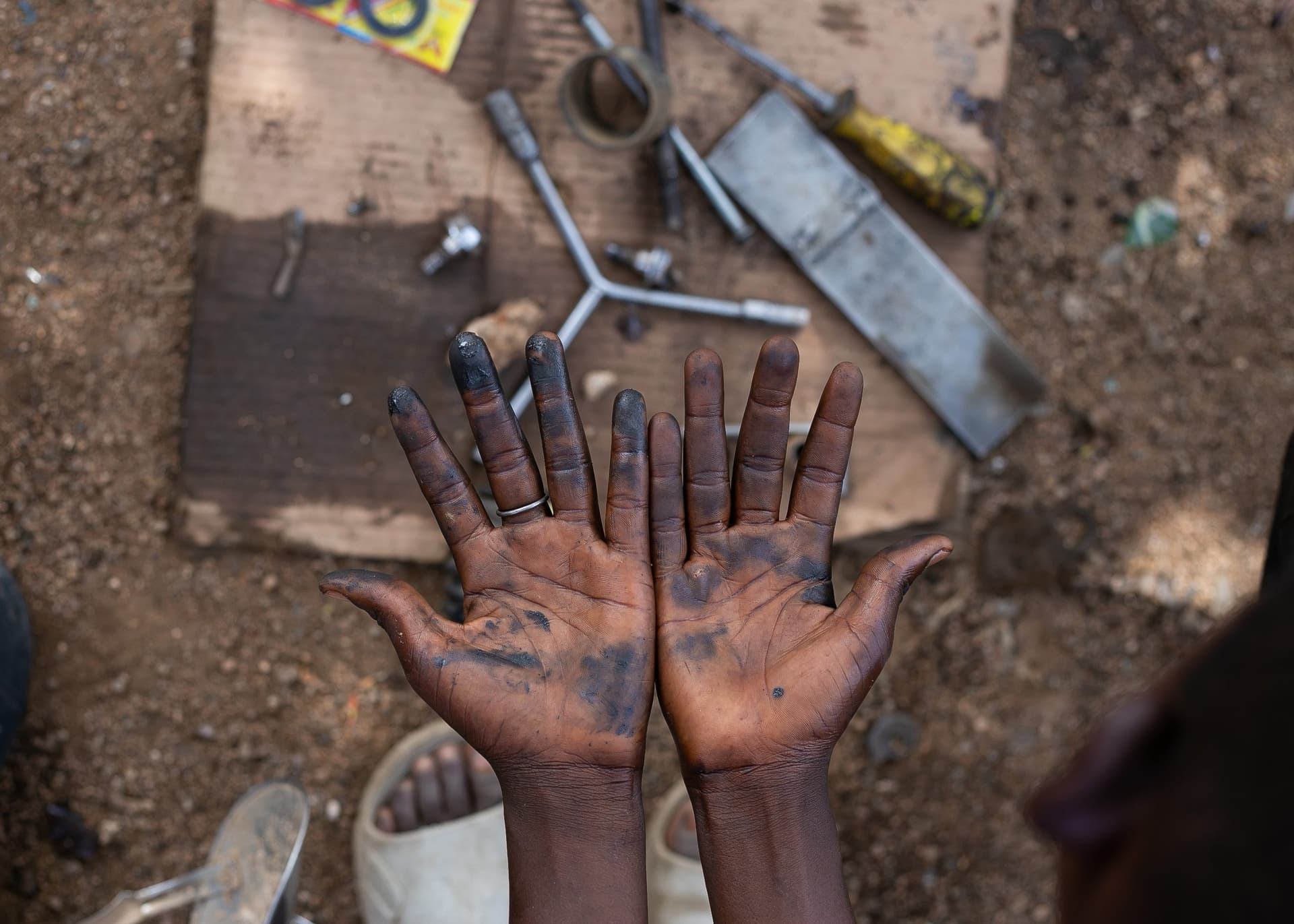
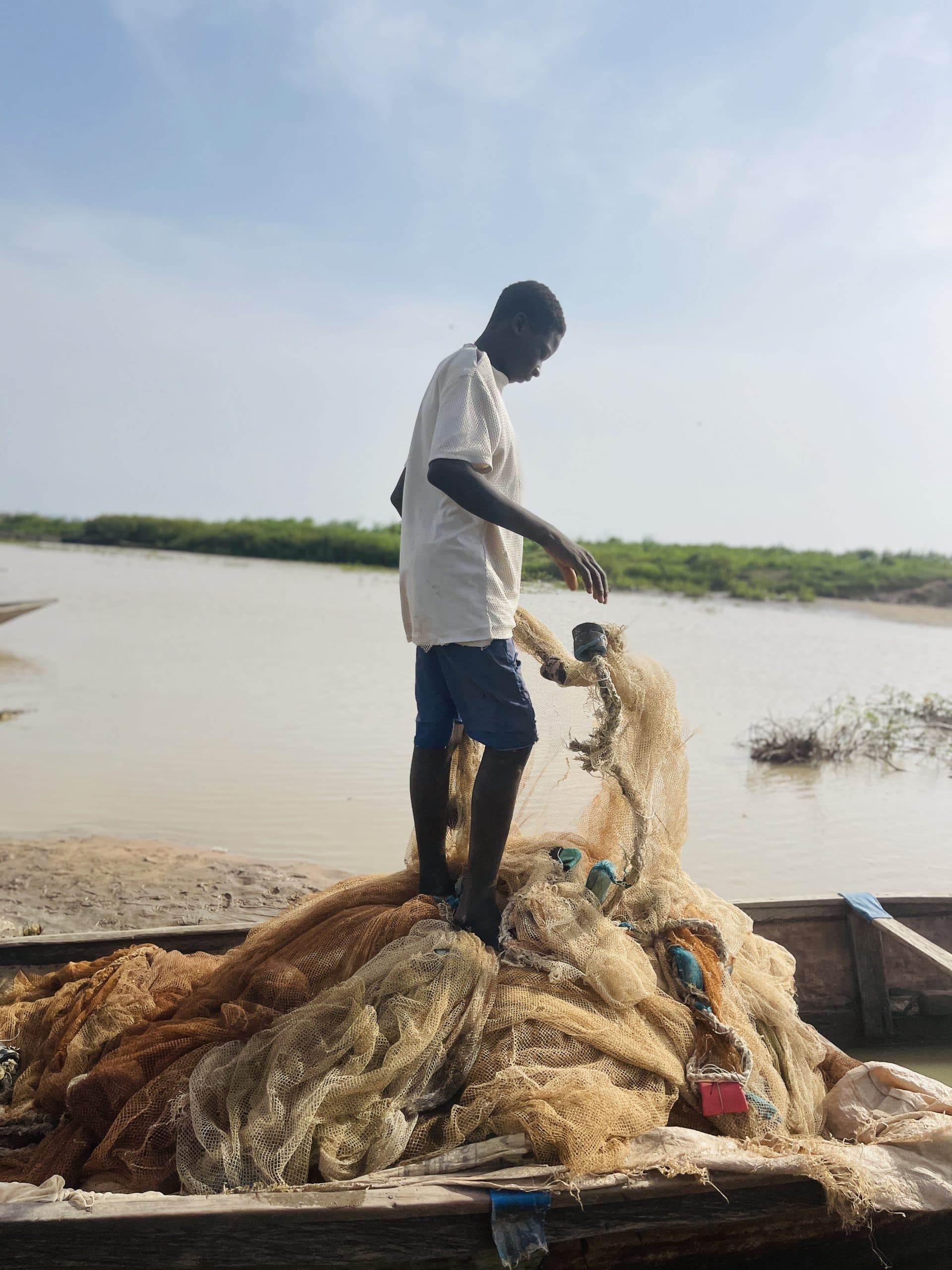
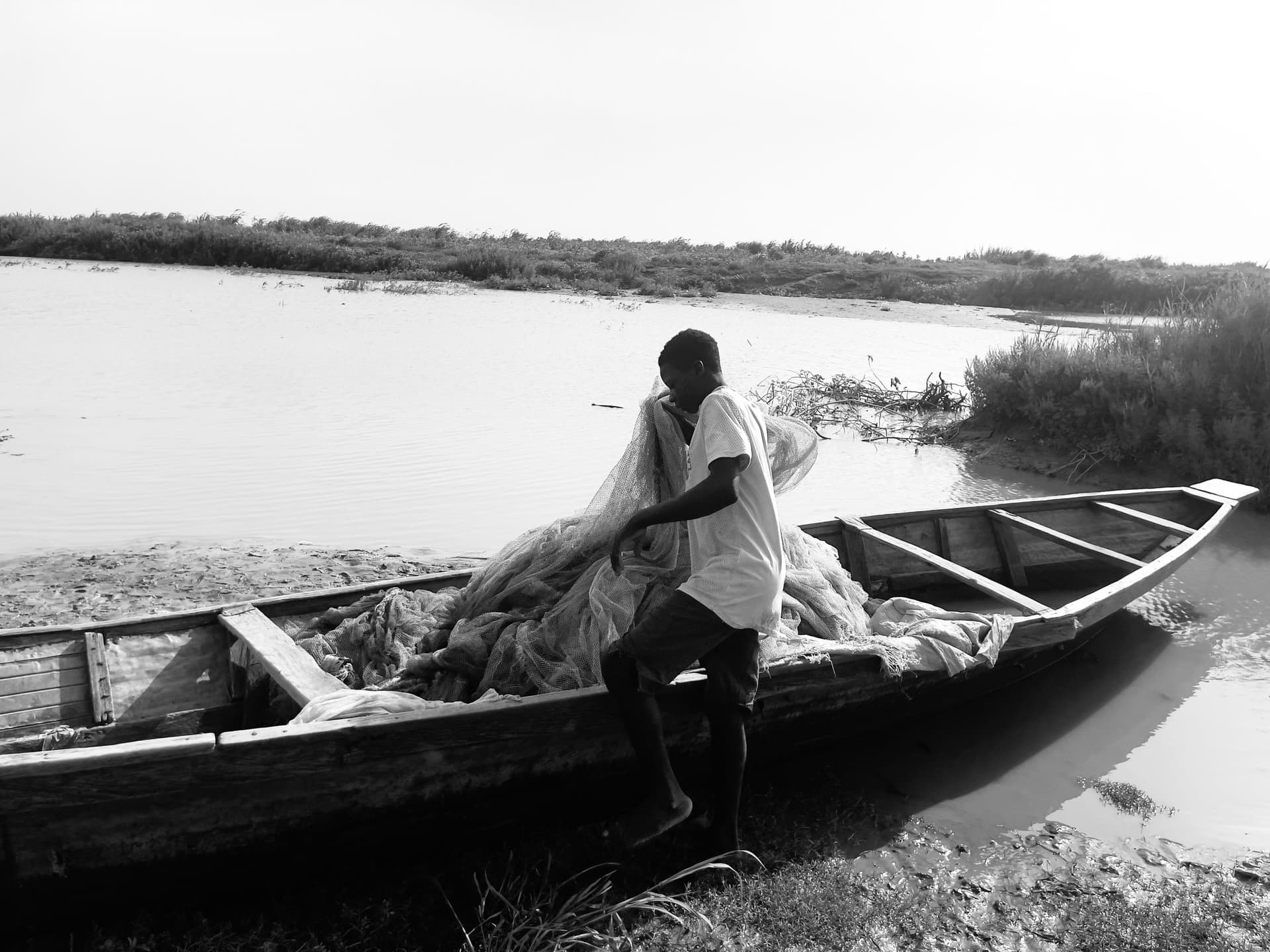
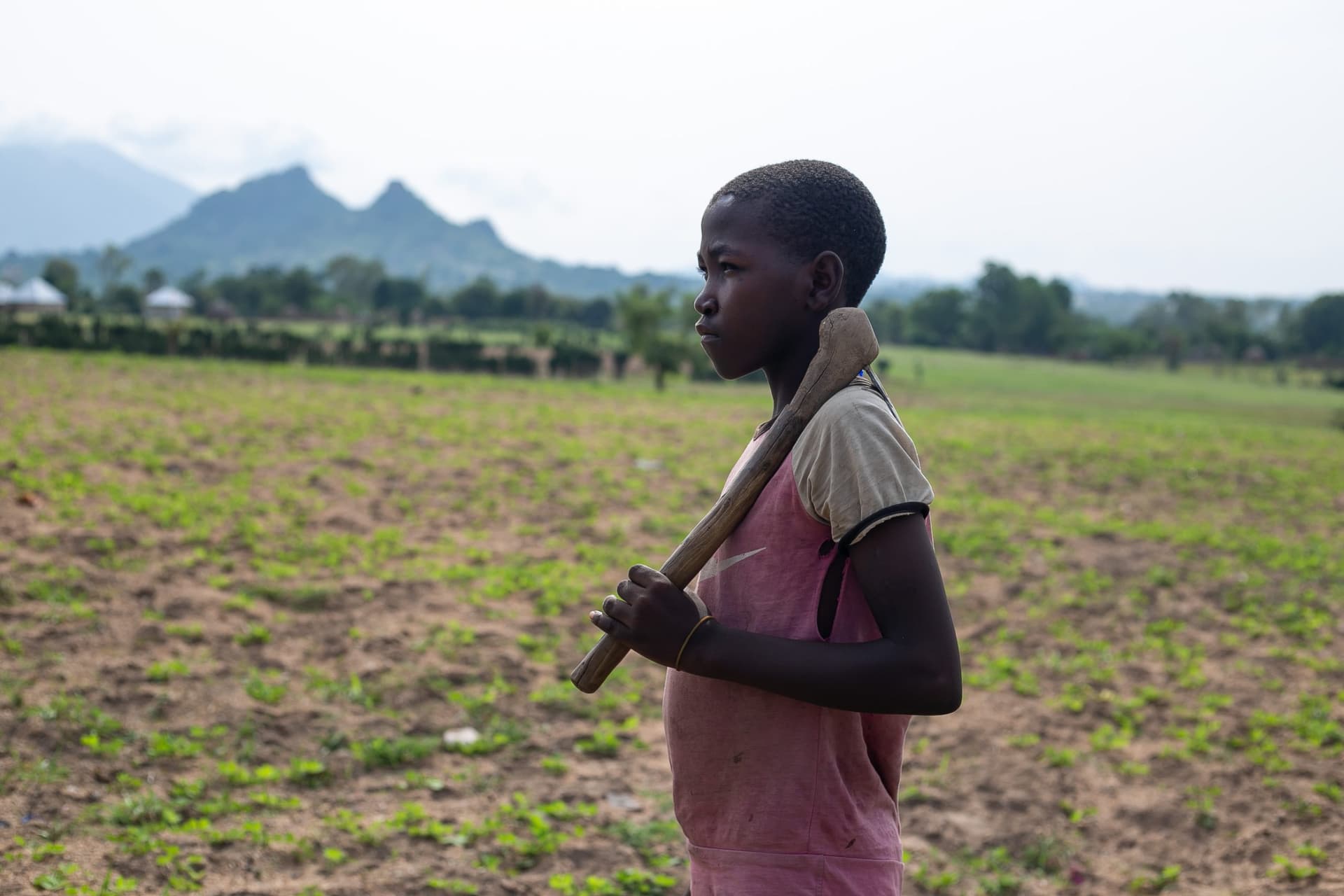
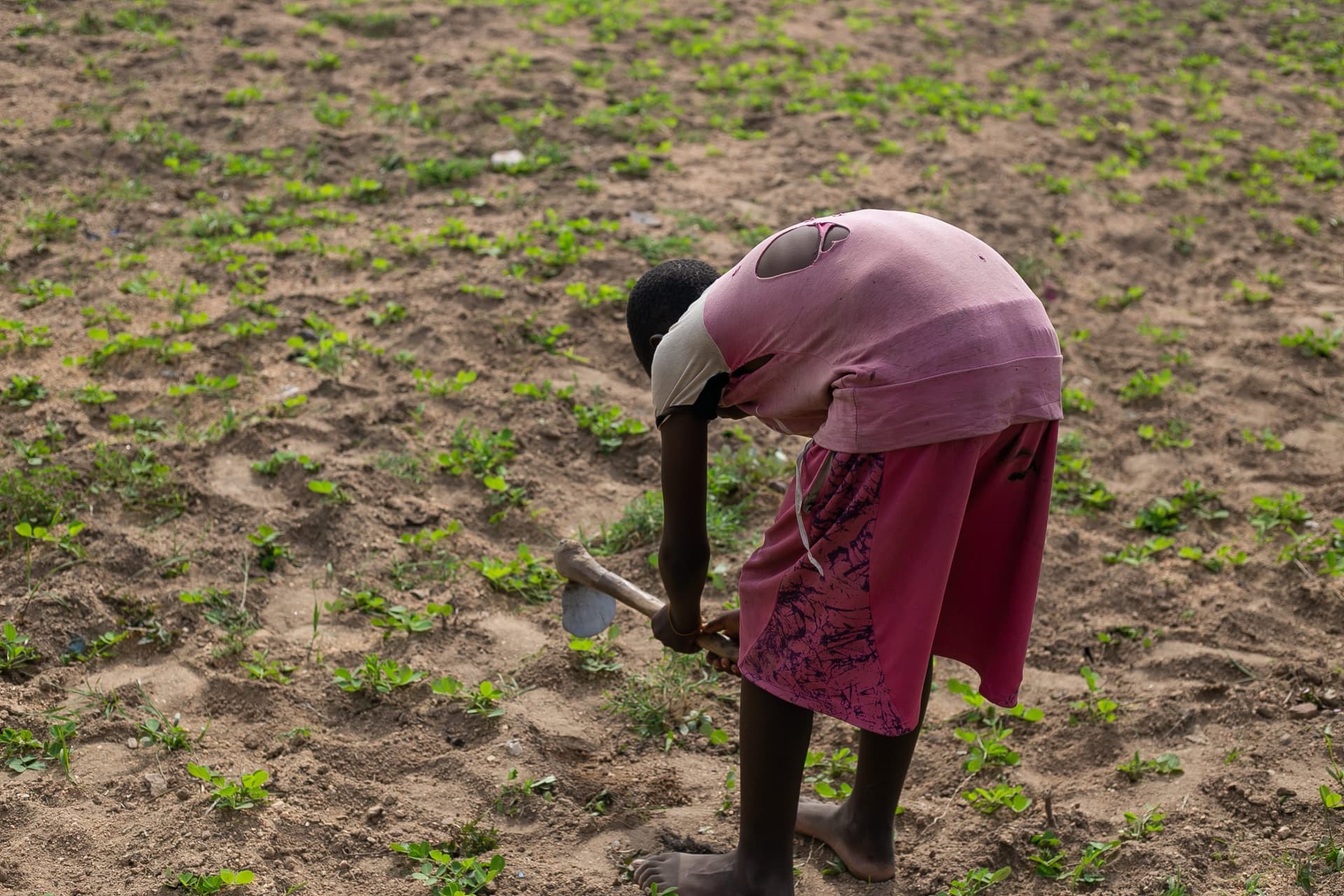
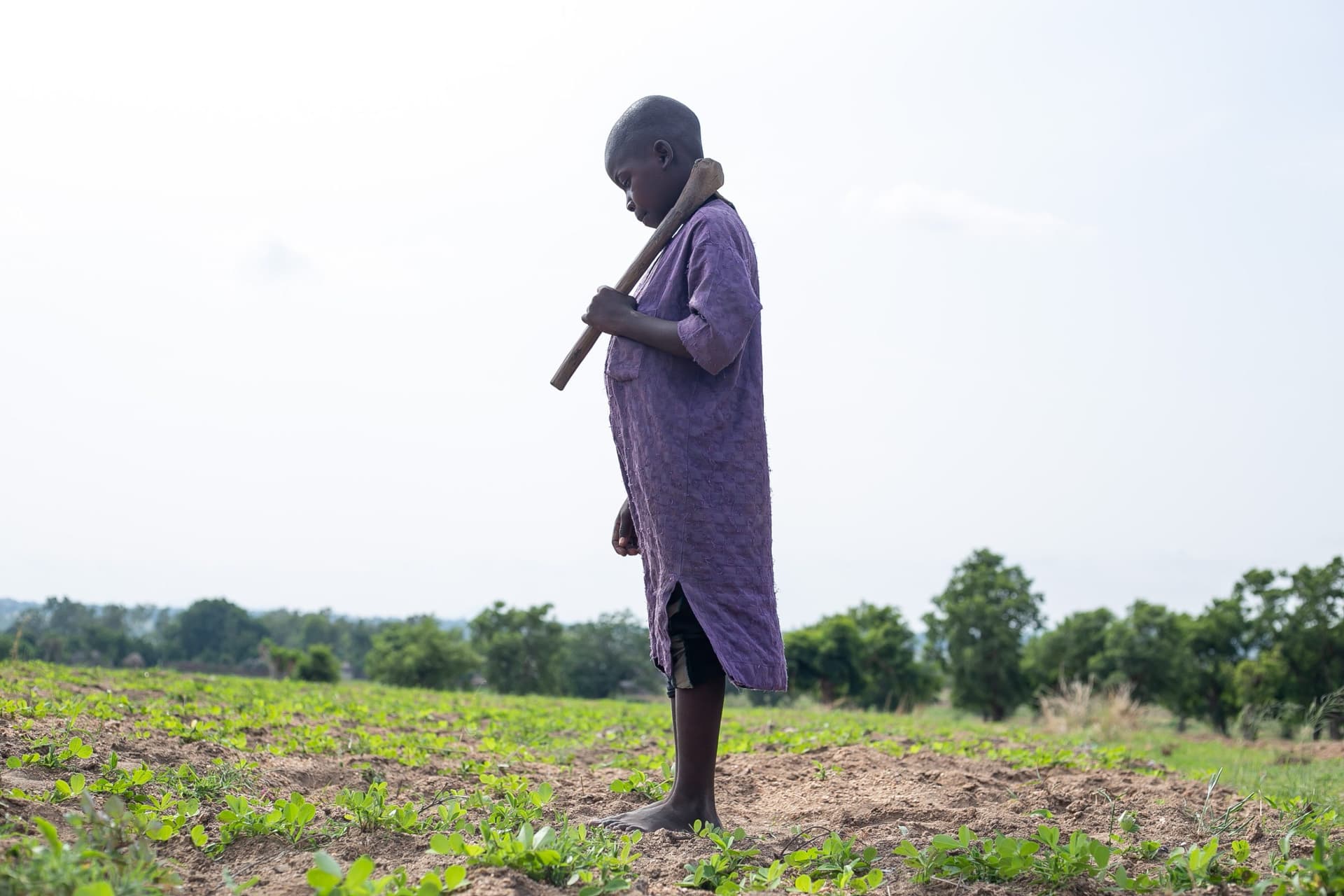
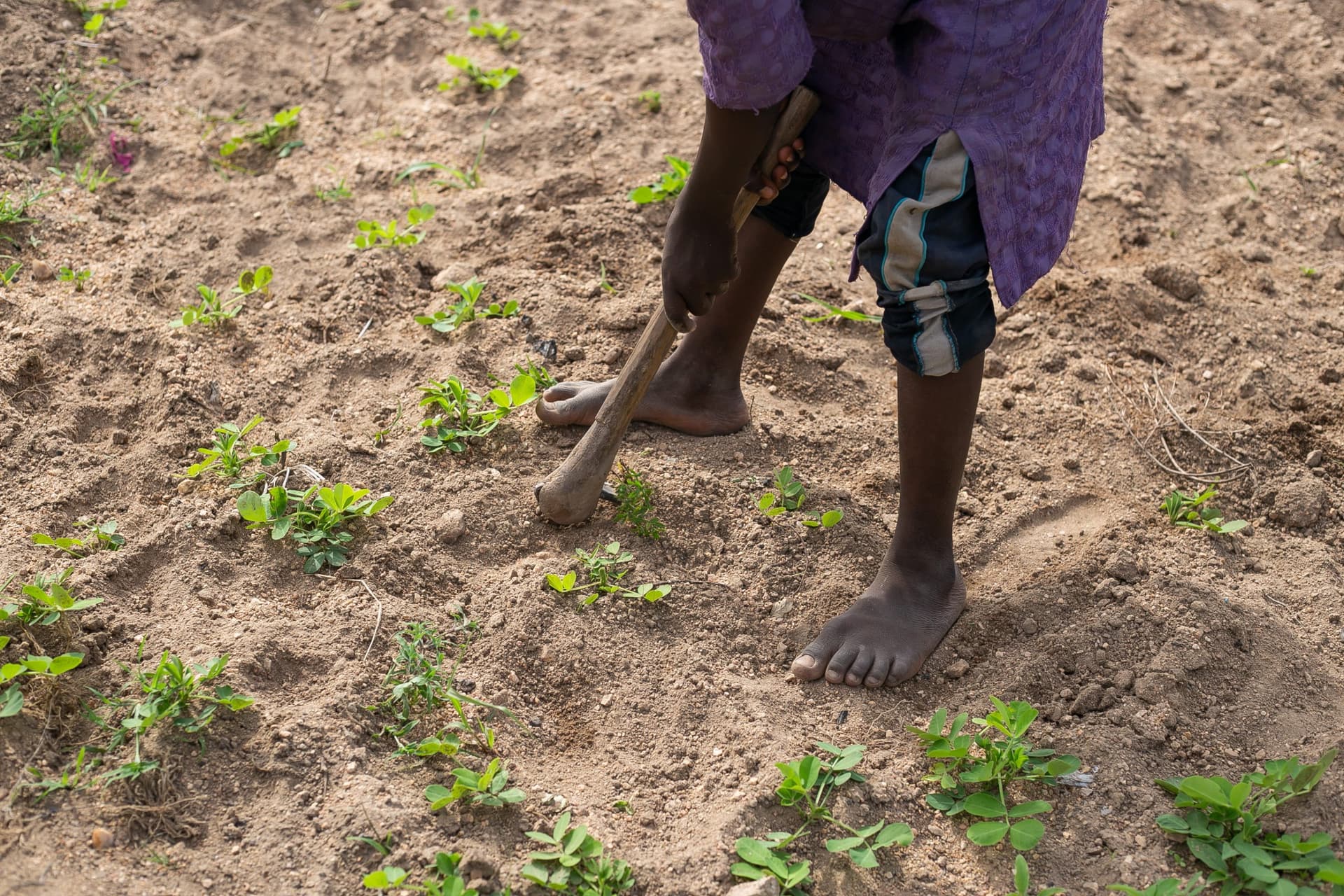
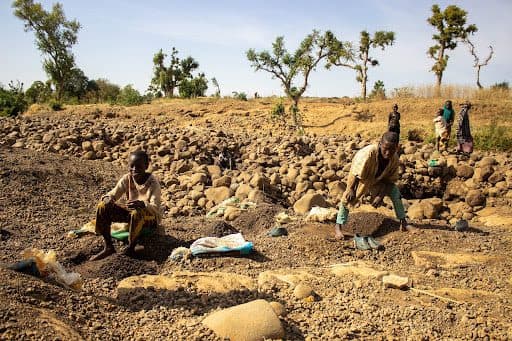
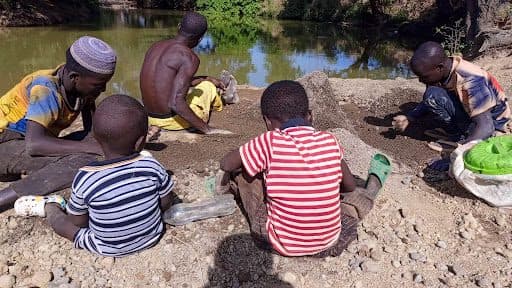
According to theChild Rights Act, no child must lift or move anything heavy that might affect their physical health or social development. Also, no child must be employed in an industrial setting that is not registered as a technical school or similar approved institution.
Support Our Journalism
There are millions of ordinary people affected by conflict in Africa whose stories are missing in the mainstream media. HumAngle is determined to tell those challenging and under-reported stories, hoping that the people impacted by these conflicts will find the safety and security they deserve.
To ensure that we continue to provide public service coverage, we have a small favour to ask you. We want you to be part of our journalistic endeavour by contributing a token to us.
Your donation will further promote a robust, free, and independent media.
Comments
0 comments
No comments yet.
Sign in to join the discussion.
Of course, we want our exclusive stories to reach as many people as possible and would appreciate it if you republish them. We only ask that you properly attribute to HumAngle, generally including the author's name, a link to the publication and a line of acknowledgement.