Five Children Killed As DRC Leaves Schools Open Amid Ebola Outbreak
The ebola virus has infiltrated multiple urban areas in DR Congo, and healthcare workers have also been affected, increasing the risk of transmission nationwide.
Listen to this story

29 May 2026
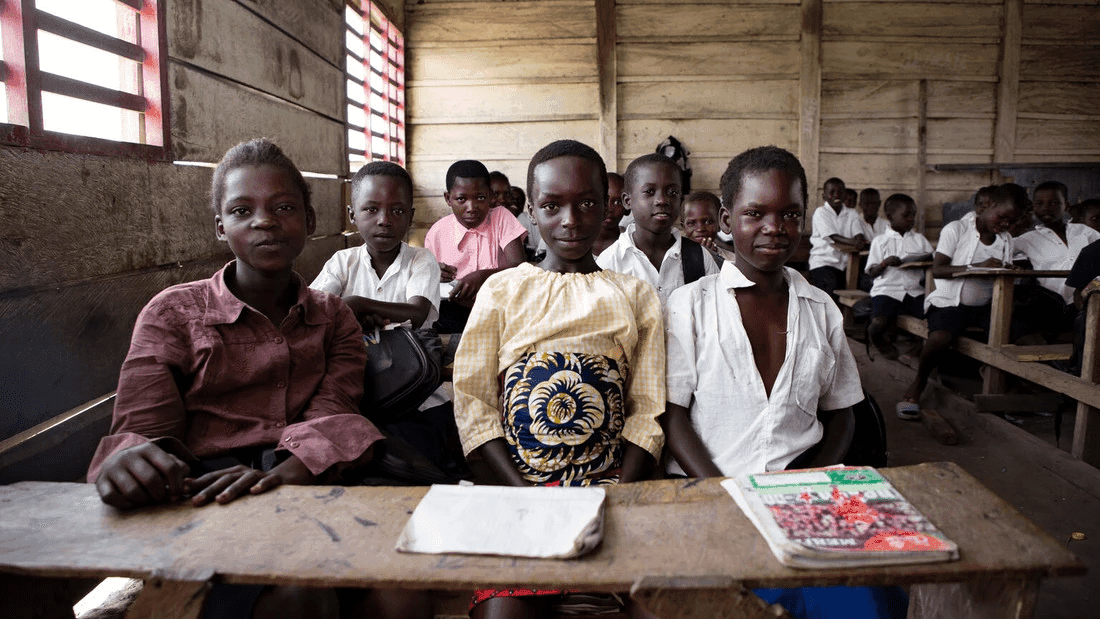
The government of the Democratic Republic of Congo (DRC) has vowed not to shut down schools in Ituri province, despite the ongoing Ebola outbreak, which has already killed five schoolchildren since the epidemic began. The government announced the decision on Thursday, May 28, during a press briefing by the Minister of Public Health, Roger Kamba.
Roger noted at the press briefing that the government’s focus is on enhancing preventive measures in schools rather than shutting them down.
“We are not going to close schools. Our priority is to implement preventive measures to avoid further hardships for the children,” the Minister insisted. He expressed concern over the five schoolchildren who lost their lives, noting that many of these fatalities were related to self-medication and delays in accessing medical care.
Meanwhile, Congolese health officials had urged families to refrain from treating suspected cases at home and to seek medical help promptly. The officials warned amid heightened health monitoring in Ituri, where local authorities and partners are ramping up awareness campaigns to curb the spread of the virus.
The current outbreak spans three provinces: Ituri, South Kivu, and North Kivu, affecting 13 health zones. As of May 26, Ituri province reported 16 new confirmed cases, bringing the total to 121 confirmed cases and 17 deaths. “We know the outbreak in the DR Congo is more extensive, with over 900 suspected cases and 220 suspected deaths,” stated WHO Director General Tedros Ghebreyesus.
Tedros had earlier warned that the current Ebola epidemic affecting parts of the DRC is attributed to the Bundibugyo strain of the virus, stressing that there is currently no approved vaccine or treatment available. While discussing the troubling elements contributing to the Ebola outbreak in the DRC, Tedros said that, unlike earlier strains such as Zaire Ebola, which have effective medical solutions, the Bundibugyo strain poses a significant challenge due to the absence of preventive vaccines and effective treatments.
The lack of medical options raises serious epidemiological concerns, with the WHO director reporting around 600 suspected cases and 139 fatalities. The numbers are likely to increase, as the virus may have been spreading undetected for some time.
The virus has infiltrated multiple urban areas, and healthcare workers have also been impacted, increasing the risk of transmission nationwide. The situation is further complicated by regional security issues, particularly in Ituri province, which has faced significant violence since late 2025, displacing thousands of people. This area is a resource-rich mining zone with a highly mobile population, contributing to a heightened risk of virus spread.
Given the lack of validated treatments, however, the WHO is investigating potential vaccines and therapeutics for widespread use. Tedros has called upon the international community to take action, stressing that the five identified risk factors, including population movement, transmission within health facilities, and urban expansion, could collectively worsen the epidemic’s impact on public health.
Support Our Journalism
There are millions of ordinary people affected by conflict in Africa whose stories are missing in the mainstream media. HumAngle is determined to tell those challenging and under-reported stories, hoping that the people impacted by these conflicts will find the safety and security they deserve.
To ensure that we continue to provide public service coverage, we have a small favour to ask you. We want you to be part of our journalistic endeavour by contributing a token to us.
Your donation will further promote a robust, free, and independent media.
Comments
0 comments
No comments yet.
Sign in to join the discussion.
Of course, we want our exclusive stories to reach as many people as possible and would appreciate it if you republish them. We only ask that you properly attribute to HumAngle, generally including the author's name, a link to the publication and a line of acknowledgement.