Children Scavenging Through Dumpsites in Chad Amid Economic Hardship
Hundreds of school-age children in Chad are spending their days digging through dumpsites, desperately searching for scraps of food or anything they can sell to help their families make ends meet.
Listen to this story

17 Jun 2026
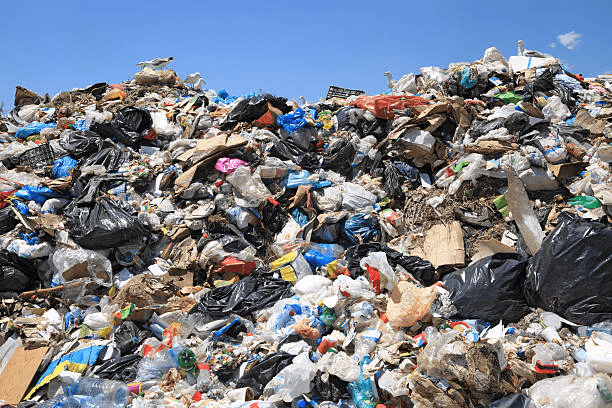
In the heart of N’Djamena, the capital city of Chad, children aged 10 to 13 scour the streets, scavenging through heaps of garbage and dirt in search of metal scraps known as “adjith kilos.” After collecting discarded items, the pariah children sell them to local dealers or metal manufacturers to earn a living. The troubling situation depicts the challenges families in the bustling city face, raising questions about child welfare and the socio-economic conditions driving children into such a harsh daily endeavour.
Locals said many parents in Chad are struggling to afford their children’s education due to ongoing economic hardships. They added that children suffer from inadequate food supply, with their parents pushing them into the streets to collect and sell “adjith kilos”. The small amount of money they earn from this work is crucial in supporting their families.
In several areas of the country’s capital city, especially in Walia, Chagoua, Diguel and Gassi, boys and girls spend their days scavenging through trash, visiting construction sites and searching roadsides for precious metal objects and iron pieces. The fruit of their daily labour is eventually sold to iron merchants or some intermediaries for some cash.
“I can make between 500 and 1,000 FCFA (about $2) a day when I am lucky to visit several garbage cans in the quarter,” said Moussa, a 12-year-old picking metals from dumpsites in N’Djamena’s Eighth District. He has been out of school for two years, sustaining his family, including his mother and siblings, through daily scavenging. “If I don’t work, we would not eat,” Moussa added.
For most of the children involved in this activity in Chad, it is not a choice but a necessity. Some of the children financially support their families, while others are simply seeking a way to meet their daily needs. Poverty, unemployment and the difficulties in financing their education constitute the principal causes of the problem, local sources said.
Apart from the economic difficulties, collecting metal exposes children to several risks, including injuries from sharp objects, infections, inhalation of hazardous substances, and road accidents. They also face the risks of economic exploitation and the potential for violence that they may encounter in the streets.
“These children are doing a dangerous job which compromises their health, their education and their development,” said Gapili Lemba Valentin, a civil society activist in N’Djamena. They noted how the disturbing phenomenon is more pronounced in the capital city, where the living conditions of several families have deteriorated.
The situation has a direct effect on children’s education. Many of the child scavengers we spoke to expressed a longing for school. They noted how they have had to put their education on hold to search for metals, which helps support their families financially. Unfortunately, this decision puts their future opportunities at serious risk, according to locals and civil society activists.
Despite Chad’s commitment to the United Nations Convention on the Rights of the Child and other international agreements aimed at combating child labour, challenges remain. The country’s labour code also forbids employing minors in hazardous jobs that could jeopardise their health or development.
However, the enforcement of these laws is limited. Civil society organisations in Chad have called on authorities to enhance social protection mechanisms, support at-risk families, and foster environments that encourage children to remain in school rather than engage in harmful activities. Observers believe that sustainable solutions require improved household management in precarious situations, as well as the creation of economic opportunities for parents and the strengthening of child protection programs.
Support Our Journalism
There are millions of ordinary people affected by conflict in Africa whose stories are missing in the mainstream media. HumAngle is determined to tell those challenging and under-reported stories, hoping that the people impacted by these conflicts will find the safety and security they deserve.
To ensure that we continue to provide public service coverage, we have a small favour to ask you. We want you to be part of our journalistic endeavour by contributing a token to us.
Your donation will further promote a robust, free, and independent media.
Comments
0 comments
No comments yet.
Sign in to join the discussion.
Of course, we want our exclusive stories to reach as many people as possible and would appreciate it if you republish them. We only ask that you properly attribute to HumAngle, generally including the author's name, a link to the publication and a line of acknowledgement.