Armed Conflict Halts Future-Defining Exams in DRC
The ongoing armed violence in the Democratic Republic of the Congo (DRC) has significantly impacted the quality of education, according to a 2025 UNICEF report.
Listen to this story

27 Jun 2026
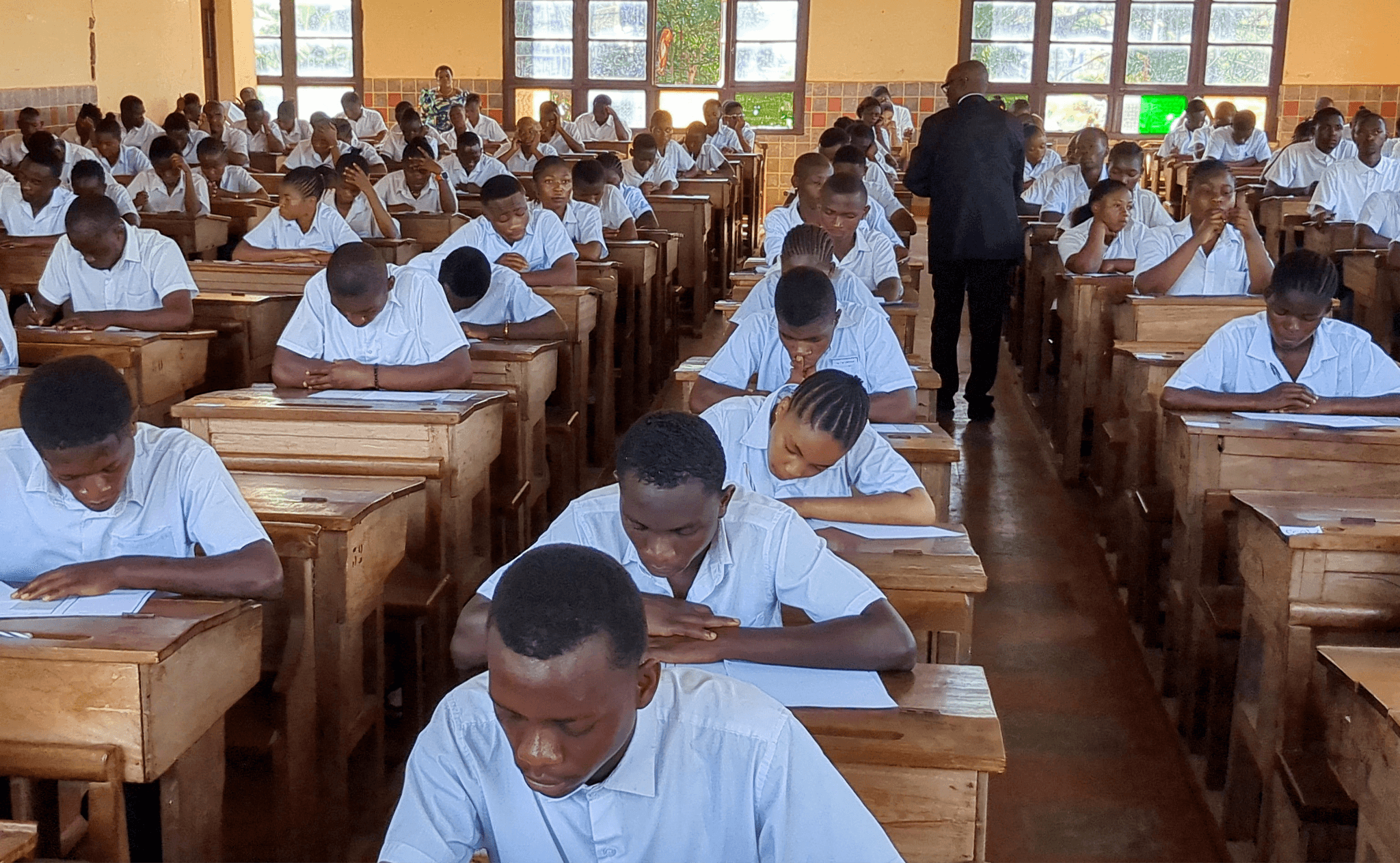
The ongoing armed violence in the eastern Democratic Republic of Congo (DRC) has stalled national examinations, putting the future of students at risk. Many students in the region have complained about not being able to reach the locations of their examinations due to roadblocks mounted by rebels and local militants.
Michel Buingo, the chief of the provincial sub-division for primary, secondary, and new citizenship education in Walikale 4, North Kivu, said that 540 final-year students were expected to sit two examinations at different centres within the sub-division. However, only 387 students arrived, while 153 were unable to access the examination centres due to security issues.
Local authorities in the education sector attribute the low student participation at examination centres to ongoing insecurity affecting several areas from which the candidates come. Recent armed clashes, population movements, and forced displacements in the DRC’s eastern region have disrupted the educational activities of many students, making it difficult for them to access examination centres.
This situation illustrates the consequences of the security crisis for the education sector in several zones of North Kivu. While authorities said they are doing their best to ensure that students write their national examinations, several students continue to pay the price of security instability, with their educational futures compromised.
Cases of stalled examinations have become a recurring issue in recent years. In 2025, the continuation of national exams in active conflict zones was only made possible in part by the United Nations Children’s Fund (UNICEF). They facilitated the transport of sealed trunks containing exam papers from Kinshasa to various locations in North Kivu, including areas controlled by rebel groups. In 2024, hundreds of students were also unable to write their examinationsdue to widespread violence in the city of Bweremana in the North Kivu region.
The ongoing armed violence in the DRC has significantly impacted the quality of education. A 2025 UNICEF report states that more than 1.6 million children are currently out of school due to escalating conflict and mass displacement. In the North Kivu and South Kivu provinces, over 2,500 schools and learning centres have been forced to close, leaving approximately 795,000 children without access to education.
“Even before the latest escalation of the conflict, the education system in eastern DRC was under immense strain, due, in part, to the high number of displaced people,” the report partly noted.
Support Our Journalism
There are millions of ordinary people affected by conflict in Africa whose stories are missing in the mainstream media. HumAngle is determined to tell those challenging and under-reported stories, hoping that the people impacted by these conflicts will find the safety and security they deserve.
To ensure that we continue to provide public service coverage, we have a small favour to ask you. We want you to be part of our journalistic endeavour by contributing a token to us.
Your donation will further promote a robust, free, and independent media.
Comments
1 comment
Amina Tagi
28 Jun 2026, 21:07
HumAngle is really bringing out the silent journalism in me. U r just the best when it comes to an in depth coverage.
Sign in to join the discussion.
Of course, we want our exclusive stories to reach as many people as possible and would appreciate it if you republish them. We only ask that you properly attribute to HumAngle, generally including the author's name, a link to the publication and a line of acknowledgement.